Hi, I’m Linaé, and if you’ve ever wondered “What Is Linen?”, why it’s everywhere during summer, or why people swear by it for hot, humid weather — you’re in the right place. Linen is far more than just another fabric. It is a historic, breathable, eco-friendly, moisture-wicking, lightweight, durable natural textile that has been loved for thousands of years.
In this complete beginner’s guide, I’ll walk you through everything you need to know about linen — from the flax plant to the finished fabric, from its unique characteristics to its benefits, drawbacks, care instructions, sustainability profile, and comparisons with cotton, polyester, rayon, bamboo, and more. Whether you’re exploring linen clothing, linen bedding, linen shirts, linen dresses, or simply curious about natural fibers, this guide will give you all the essential knowledge you need. Let’s dive into the world of one of the most iconic warm-weather fabrics ever created.
What Is Linen?
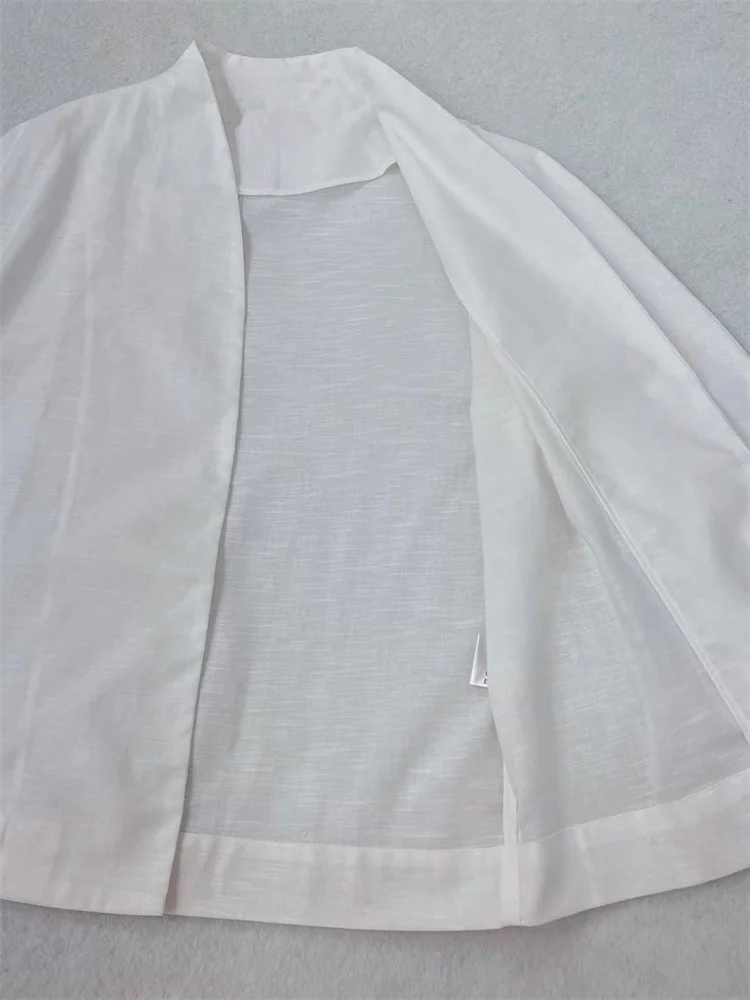
Linen is more than just a textile — it is a heritage fabric crafted from the long, naturally lustrous fibers of the flax plant (Linum usitatissimum). For thousands of years, it has been valued for its exceptional breathability, superior moisture absorption, impressive tensile strength, lightweight hand-feel, and distinctive slub texture that signals authenticity and craftsmanship.
Because of its rich history and unmatched performance in warm climates, linen has become a cornerstone in summer clothing, luxury bedding, interior décor, and premium lifestyle products. Its unique fiber structure allows heat to escape, moisture to evaporate quickly, and air to circulate freely — properties that few natural fabrics can replicate at the same level.
Linen is a premium natural fabric derived from flax fibers, celebrated for its breathability, cooling ability, durability, sustainability, and a timeless aesthetic that improves with age. This is why linen dominates warm-weather wardrobes and home essentials: its fibers naturally regulate temperature, wick moisture away from the skin, and maximize airflow — making it a fabric that keeps you cool, dry, and comfortable even in intense heat.
The Origin & History of Linen
Linen carries one of the deepest and most culturally significant histories in the global textile world. Few fabrics can claim a legacy that spans civilizations, empires, and continents — and fewer still remain as relevant today as they were thousands of years ago. Understanding where linen comes from offers valuable context on why it continues to be regarded as a premium, enduring, and uniquely functional material.
Ancient Civilizations
Linen’s story begins in ancient Egypt, where it was not just a fabric but a symbol of purity, status, and ceremonial importance. It was used for everyday clothing, intricately woven garments for royalty, and even for wrapping mummies — a testament to its durability and cultural value. The Greeks and Romans also embraced linen, particularly in coastal regions where heat and humidity made lightweight textiles essential. Linen tunics and garments provided natural ventilation, preventing overheating in Mediterranean climates long before “breathability” became a modern fashion term.
By the Middle Ages, linen became deeply integrated into European household life. It was the preferred material for shirts, undergarments, bed linens, tablecloths, and fine home textiles — collectively known as “linens,” a term still used today because the fabric was so universal and trusted.
Why Linen Stood the Test of Time?
Linen’s longevity is no coincidence. Several defining qualities ensured its survival and ongoing relevance:
- Exceptional strength: Flax fibers are naturally robust, giving linen remarkable durability that often surpasses cotton.
- Superior breathability: Its hollow fibers and loose weave create airflow unmatched by most natural fabrics.
- Quick-drying performance: Moisture evaporates rapidly, making it ideal for hot, humid environments across centuries and cultures.
- Enduring lifespan: Well-made linen can last for decades, maintaining integrity even after repeated use and washing.
Today, linen maintains its position as a fabric associated with luxury, comfort, and sustainable living. Its historical prestige blends seamlessly with modern values — from eco-conscious fashion to elevated home décor — proving that a material refined thousands of years ago still meets contemporary needs effortlessly.
How Linen Is Made: From Flax Plant to Finished Fabric
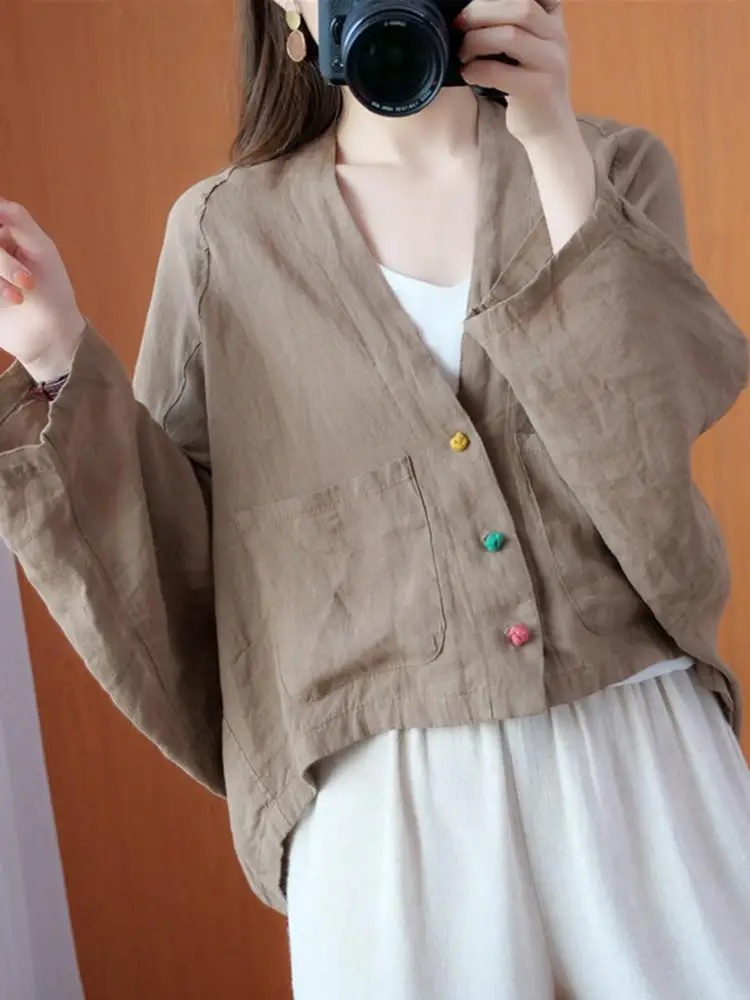
The journey from a simple flax stem to a finished piece of linen fabric is a highly technical, multi-stage process rooted in centuries of craftsmanship. Understanding how linen is made reveals why it is considered one of the most premium, sustainable, and labor-intensive textiles in the world.
The Flax Plant
Linen originates from the flax plant, a resilient crop that thrives in cool, temperate regions. The highest-quality flax is grown in: Belgium, France, The Netherlands, Lithuania, Northern Europe
These regions offer optimal soil composition, consistent rainfall, and mild climates — all crucial for producing long, strong flax fibers suitable for premium linen. Flax requires minimal irrigation, very limited pesticide use, and naturally enriches the soil, making it one of the most planet-friendly crops used in modern textiles. The combination of low environmental impact and high fiber quality is a major reason linen is celebrated as a truly sustainable luxury fabric.
The Production Process
Transforming flax into linen is an intricate sequence of steps — many of which have remained largely unchanged for centuries. Each stage requires precision to preserve the integrity of the fibers, contributing to linen’s higher value and premium reputation.
Step 1: Harvesting
Flax is pulled from the ground by its roots rather than cut, a traditional method that preserves the full fiber length essential for producing strong, premium-grade linen yarn. Because longer fibers yield smoother and more durable thread, this harvesting technique remains unchanged for centuries and sets the foundation for linen’s superior strength compared to other natural fabrics.
Step 2: Retting
Retting is the crucial stage where the outer flax stalk is separated from the inner fibers through controlled microbial or mechanical processes. Depending on the region, retting may be done through dew retting using natural moisture, water retting which submerges flax bundles in ponds, enzyme retting for an eco-friendly approach, or mechanical retting assisted by modern technology. The precision required here is high—over-retting weakens fibers, and under-retting reduces quality—making this one of the most skill-dependent stages of linen production.
Step 3: Breaking & Scutching
After retting, the dried flax stalks undergo breaking to fracture woody components and scutching to scrape away any remaining outer layers. This careful mechanical action exposes the prized long flax fibers that define linen’s unmistakable character. At this stage, the process requires both technique and experience to avoid damaging the fibers while ensuring maximum yield of clean, high-quality material.
Step 4: Hackling (Combing)
Hackling transforms rough fibers into refined, continuous bundles through repeated combing that removes short fibers, impurities, and tangles. This step aligns the fibers perfectly, preparing them for spinning and ensuring the resulting yarn has minimal inconsistencies. Expert hackling significantly impacts the final smoothness, uniformity, and durability of the linen fabric.
Step 5: Spinning
During spinning, the aligned flax fibers are drawn out and twisted into yarn with specific levels of tension and uniformity. High-quality spinning produces smooth, even yarn with fewer weak points, directly influencing how the finished linen fabric behaves—its drape, strength, texture, and overall longevity. This is where the craftsmanship of the spinner becomes evident in the final textile.
Step 6: Weaving
Once spun, the yarn is woven into fabric using patterns such as classic plain weave for a crisp, textured feel or twill weave for a smoother, softer drape. Each weaving method creates a unique aesthetic and functional characteristic. The quality of the weave determines how breathable, durable, and comfortable the final linen is, making this stage essential to defining the fabric’s performance.
Step 7: Finishing
The woven linen undergoes finishing treatments that enhance its comfort, appearance, and usability. This may include washing or enzyme softening to reduce stiffness, stonewashing for a relaxed, worn-in texture, or bleaching and dyeing to achieve specific colors and tones. These finishing touches transform raw linen cloth into the breathable, luxurious material recognized for its natural elegance and everyday comfort.
Why Linen Production Is Labor-Intensive?
Linen’s premium status is directly tied to the complexity and precision of its production:
- Retting demands careful timing, as both under- and over-retting can compromise fiber quality.
- Fibers must be handled gently, as they are long but delicate before processing.
- Manual work is still essential, even in modern facilities.
- Only the top portion of harvested flax plants is suitable for luxury-grade linen, reducing usable yield.
Because of these factors, textiles made from authentic Belgian linen or certified European flax linen are highly valued for their craftsmanship, durability, and superior natural performance. Linen production is a perfect blend of nature, skill, and time — and this process is what gives the fabric its exceptional beauty and longevity.
Key Characteristics of Linen Fabric
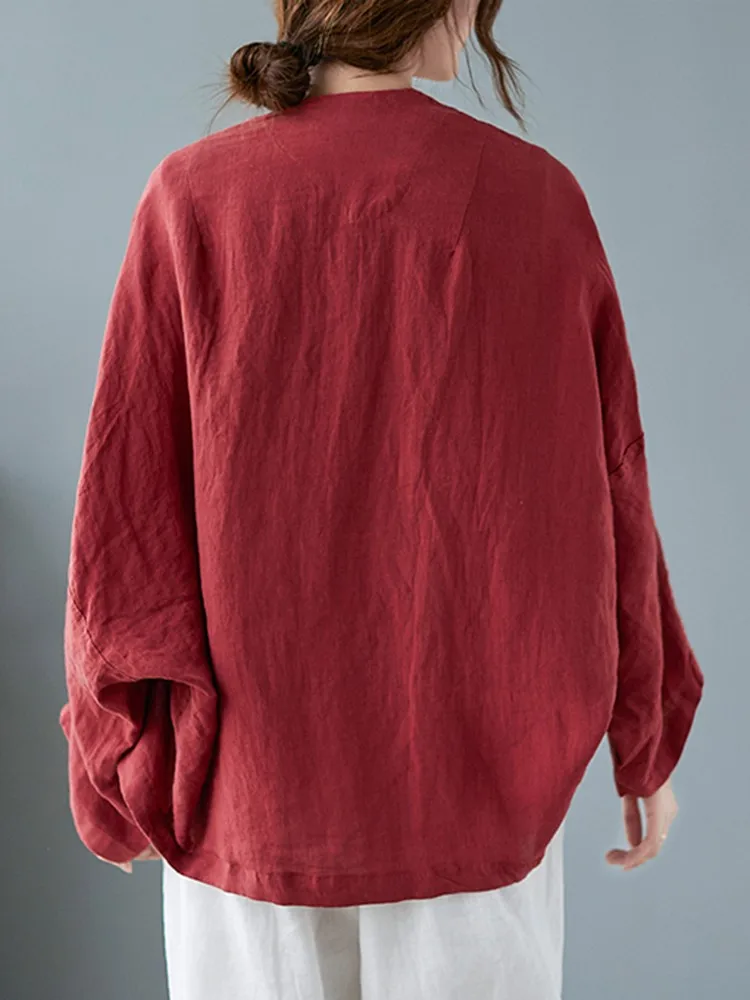
Linen stands out for its natural performance, durability, and timeless aesthetic. Below are the core characteristics that make this fabric exceptional, explained with deeper insights to help readers understand why linen remains a premium choice across fashion and home textiles.
Breathability & Moisture-Wicking
Linen is widely recognized as one of the most breathable fabrics ever created. Its hollow fibers and naturally loose weave promote constant airflow, helping regulate body temperature even in extreme heat.
- Enhanced airflow that prevents heat build-up
- High moisture absorption, pulling sweat away instantly
- Quick evaporation, keeping the skin dry in humid climates
This natural thermoregulation is why linen remains a go-to fabric for tropical regions, outdoor activities, and summer wardrobes. For maximum cooling comfort, few fabrics can compete with linen.
Durability & Strength
Linen is exceptionally strong due to its long, thick fibers—significantly tougher than cotton. This gives linen its distinctive structure and long-lasting quality.
- Up to 5× stronger than cotton, resisting wear and tear
- Longevity of 20+ years with proper care
- Softens over time, becoming smoother without losing integrity
Unlike many fabrics that deteriorate, linen actually improves with every wash, enhancing both comfort and feel. Linen is an investment fabric built to last for decades.
Natural Texture & Appearance
Linen’s signature slubs—tiny irregularities visible in the weave—are part of its authentic charm. These natural variations create a look that is organic, relaxed, and beautifully imperfect.
- Organic texture that feels artisanal and refined
- Matte finish for a clean, understated elegance
- Authentic character, free from artificial polishing or heavy processing
Those slubs are not flaws; they are proof of genuine linen and a major reason the fabric appeals to minimalists and design enthusiasts. Linen delivers a natural, timeless beauty that synthetic fabrics cannot replicate.
Hypoallergenic & Antimicrobial
Linen possesses inherent antimicrobial and hypoallergenic properties—making it one of the healthiest fabrics to wear or sleep on.
Health-friendly benefits include:
- Natural antibacterial and antifungal resistance
- Gentle on sensitive or allergy-prone skin
- Low lint production, reducing irritation
- Odor resistance, keeping garments and bedding fresher longer
Common uses: bedding, sleepwear, baby clothes, and garments for individuals with sensitive skin. Linen is clean, skin-friendly, and ideal for anyone seeking a naturally hygienic fabric.
Types of Linen Fabric
Linen comes in multiple forms, each offering a different balance of texture, softness, durability, and drape. Understanding these variations helps readers choose the right type for clothing, home textiles, or premium décor.
Pure Linen vs Linen Blends
Different linen compositions bring different performance qualities. Below is a deeper look at how pure linen compares to popular blended options.
Pure Linen (100% Linen)
Pure linen represents the fabric in its most authentic state.
- Maximum breathability, thanks to its open weave and natural fibers
- Exceptional durability, ideal for long-term use
- Premium quality, often associated with high-end garments and homeware
Pure linen is preferred for pieces where natural performance—coolness, longevity, and texture—matters most. Pure linen delivers the full traditional benefits of the fabric without compromise.
Linen–Cotton Blends
A popular blend that balances softness with structure.
- Softer hand-feel, making it more comfortable for sensitive skin
- Reduced wrinkling, easier to wear and care for
- More structure, keeping garments polished and suitable for everyday use
This blend works well for office wear, casual shirts, and versatile home textiles. Linen–cotton blends offer comfort and practicality without losing breathability.
Linen–Rayon Blends
Designed for a smoother, more fluid drape. Characteristics:
- Flowy silhouette, ideal for dresses and skirts
- Smoother texture, with a refined, lightweight feel
- Slightly lower durability, since rayon softens the fabric’s structure
This blend enhances movement and comfort, especially in fashion-forward designs. Linen–rayon blends are perfect for styles that need elegance and drape.
Weight Categories
Linen weights influence how the fabric feels, moves, and performs. Each weight class serves a specific purpose.
- Lightweight Linen: Ideal for hot-weather clothing such as shirts, blouses, and summer dresses. Breathable, airy, and designed for maximum comfort in tropical climates.
- Mid-Weight Linen: Best for pants, skirts, shorts, curtains, and table linens. Offers a balance of drape and structure while maintaining durability.
- Heavy Linen: Used for jackets, outerwear, upholstery, aprons, and home décor. Provides stability and strength, making it perfect for items requiring long-term wear.
Choosing the right linen weight ensures both comfort and optimal function.
Special Finishes
Linen can be enhanced through various finishing processes that elevate its texture, softness, or sustainability profile.
- Stonewashed Linen: Softened using natural abrasion techniques for an ultra-soft, relaxed texture. Ideal for bedding, lounge clothing, and cozy apparel.
- Washed Linen: Given a pre-washed treatment that creates a comfortable, lived-in feel from day one.
- Organic Linen: Made from flax grown without pesticides or synthetic fertilizers. A sustainable, eco-conscious option for those prioritizing clean production.
- Belgian / European Flax Linen: Considered among the highest grades of linen globally. Known for superior fiber length, exceptional purity, and premium craftsmanship.
Special finishes allow linen to suit different lifestyles—from luxurious softness to sustainable quality.
Benefits of Linen (Why People Love It)
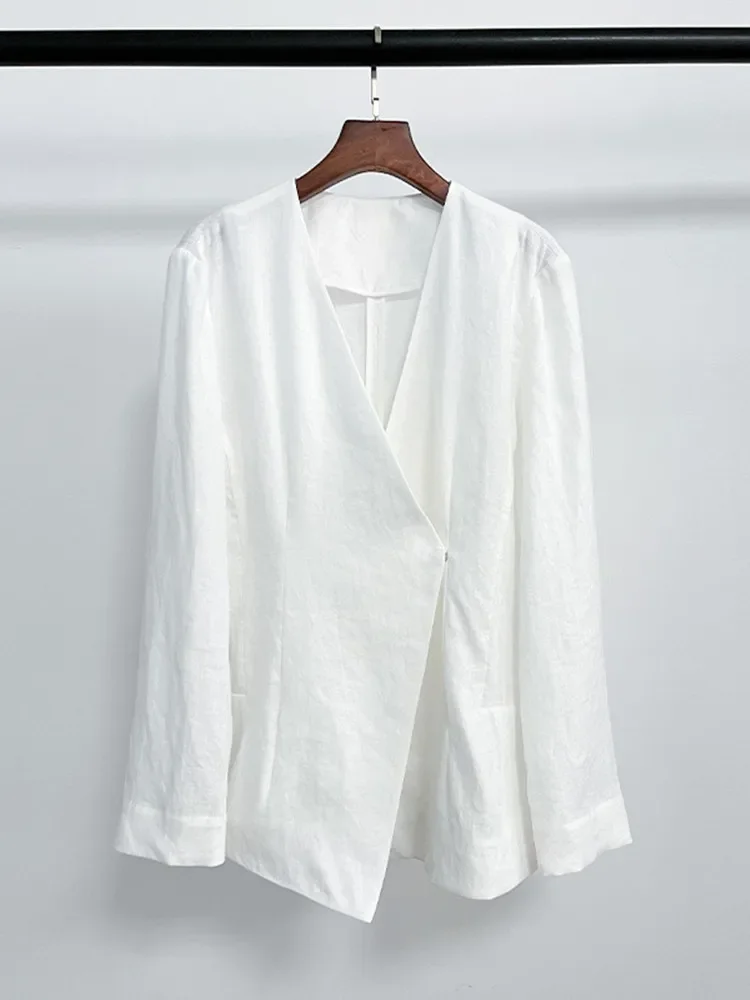
Linen has earned a loyal following across fashion, interior design, and eco-conscious lifestyles. Its appeal comes from a unique combination of comfort, performance, and sustainability—qualities that few natural fabrics can deliver simultaneously. Linen is one of the rare fabrics that offers a complete package of functional and aesthetic advantages:
- Exceptional breathability, allowing consistent airflow in any climate
- Strong sustainability profile, requiring less water and fewer chemicals to grow
- Outstanding durability, resisting wear and maintaining structure over time
- Moisture-wicking performance, pulling sweat away and drying quickly
- Long-lasting quality, with the ability to improve in softness after each wash
- Fully biodegradable, leaving no harmful impact at the end of its lifecycle
- Natural elegance, thanks to its organic texture and timeless drape
These qualities make linen a fabric that performs effortlessly in both daily wear and home environments. It stays cool, regulates temperature, and never clings to the skin—offering a level of comfort that feels naturally refined and effortless. Linen earns its reputation because it delivers comfort, longevity, and eco-friendly value in one beautifully simple textile.
Downsides of Linen (What to Expect)
While linen offers exceptional comfort and performance, it also comes with characteristics that buyers should understand upfront. These traits aren’t flaws—they’re natural qualities that shape the fabric’s identity and longevity.
- Wrinkles: Linen wrinkles easily, and this is widely considered part of its charm rather than a drawback. Because the fibers are naturally rigid and less elastic—and because linen isn’t blended with synthetics that force fabrics to stay smooth—the creases that appear are actually a sign of authenticity. They highlight the fabric’s natural texture, airy structure, and relaxed beauty. In short: Wrinkles are a built-in characteristic that give linen its organic, effortless appeal.
- Price: High-quality linen is more expensive than many everyday fabrics due to the labor-intensive process behind flax cultivation and the premium fibers required for top-tier textile quality. From careful harvesting and retting to the long-term durability linen offers, the production process demands expertise and time. Although the upfront cost is higher, linen’s impressive lifespan often makes it more economical in the long run. In short: The price reflects craftsmanship, superior fiber quality, and lasting value—not just branding.
- Stiffness at First: New linen may feel slightly crisp or firm because its fibers are naturally strong and structured, and the fabric usually undergoes minimal chemical softening. This initial stiffness is completely normal and gradually transforms as the fabric is worn and washed. Over time, linen becomes significantly softer, smoother, and more comfortable—often becoming a favorite because of this natural evolving texture. In
The crisp feel is temporary; linen consistently softens into a beautifully comfortable fabric.
Common Uses of Linen
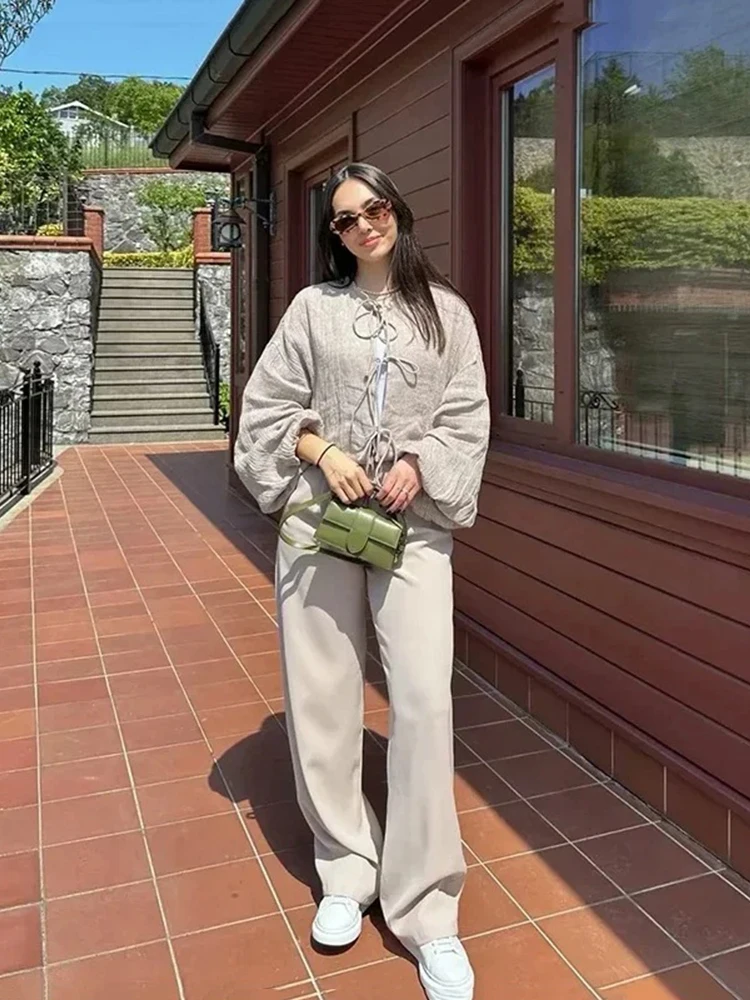
Linen’s unique blend of breathability, durability, and natural elegance allows it to perform beautifully across numerous applications. Whether in fashion or home décor, the fabric adapts effortlessly to both practical needs and aesthetic preferences.
- Clothing: Linen is a core material in warm-weather wardrobes thanks to its lightness, airflow, and temperature-regulating properties. It appears across categories such as linen shirts, pants, shorts, suits, dresses, vacation and resort wear, and summer outfits—each benefiting from the fabric’s cool, relaxed, and refined feel. Because linen drapes naturally and allows the skin to breathe, it is a top choice for tropical climates, travel wardrobes, and minimalist styles. In short: Linen clothing offers comfort, sophistication, and an effortlessly polished look.
- Home & Lifestyle: Linen is equally appreciated in home textiles for its strength, hypoallergenic qualities, and timeless aesthetic. It is commonly used in linen sheets, bedding sets, duvet covers, pillowcases, curtains, tablecloths, napkins, and upholstery fabrics. Its durability and organic texture make it ideal for items that undergo daily use while adding a layer of warmth and understated luxury to interiors. In short: Linen enhances home living with long-lasting performance, comfort, and natural elegance.
Linen remains one of the most versatile natural fabrics available today—seamlessly fitting into fashion, lifestyle, and modern interior design.
Linen vs Other Fabrics
Linen holds a distinctive position among both natural and synthetic textiles, and comparing it with other common materials helps reveal its true strengths. While every fabric has its own advantages, linen consistently excels in breathability, durability, and sustainability—making it a standout choice for clothing and home essentials.
- Linen vs Cotton: Linen and cotton are two of the most popular natural fabrics, but their performance differs significantly. Linen delivers superior breathability due to its open fiber structure, offers far greater strength and long-term durability, and dries much faster—an essential factor in hot and humid environments. Cotton, meanwhile, is softer right from the first wear, more affordable, and less prone to wrinkles, making it convenient for everyday maintenance. In short: Cotton wins in softness and ease, but linen leads in airflow, longevity, and moisture control.
- Linen vs Polyester: Polyester is widely used because it’s inexpensive and resists wrinkles, but its comfort level is far below that of natural linen. As a fully synthetic, petroleum-based fabric, polyester is less breathable, traps heat and moisture, and contributes to environmental issues like microplastic pollution. Linen, by contrast, offers unmatched comfort, breathability, and eco-friendliness, making it a much better choice for those who value natural performance. In short: Polyester may be convenient, but linen delivers a superior wearing experience overall.
- Linen vs Rayon/Bamboo: Rayon and bamboo fabrics are semi-synthetic materials known for their smooth, silky feel and elegant drape. While they offer softness and fluidity, they require chemical processing and lack the long-term durability of linen. Linen remains the stronger option because it is naturally breathable even in intense heat, highly durable, and produced through more environmentally responsible flax cultivation. In short: Rayon and bamboo prioritize softness, but linen excels in strength, breathability, and sustainability.
When to Choose Linen? Linen becomes the ideal choice when the priority is cooling comfort, breathable clothing, and natural fibers produced with minimal environmental impact. It is also perfect for anyone building a sustainable wardrobe or choosing eco-conscious home textiles. In short: Linen is the top pick when comfort, airflow, and natural sustainability matter most.
How to Care for Linen Properly?

Proper linen care is the key to keeping this natural fabric soft, strong, and long-lasting. Even though linen is known for its durability, the right washing and storage habits help preserve its texture, color, and signature breathability.
Washing
Gentle care during washing maintains linen’s natural softness and structure.
- Use the gentle cycle: reduces friction and prevents fiber breakage.
- Choose mild detergents: harsh chemicals can make linen stiff and weaken the fibers.
- Avoid bleach: it can cause discoloration and damage the natural flax structure.
- Wash with cold or lukewarm water: helps minimize shrinkage and keeps the fabric smooth.
Drying
How linen is dried affects its softness, drape, and longevity.
- Air-dry whenever possible: protects the fibers and prevents excessive shrinkage.
- If using a dryer, choose low heat: high heat can damage natural fibers.
- Remove while still slightly damp: makes it easier to smooth out wrinkles.
Ironing & Steaming
Linen naturally wrinkles, but when a crisp look is needed, technique matters.
- Iron while slightly damp: fibers relax more easily, giving a cleaner finish.
- Use generous steam: helps soften creases quickly and efficiently.
- Or embrace the natural wrinkles: perfect for casual, relaxed styling.
Storage
Proper storage keeps linen fresh and prevents distortion or discoloration.
- Store folded: hanging for long periods can stretch the fabric.
- Keep away from direct sunlight: prevents fading over time.
- Avoid plastic bags: linen needs airflow to stay dry and odor-free.
Caring for linen the right way helps it maintain its beauty, comfort, and timeless charm—ensuring that every linen piece ages gracefully and lasts for years.
How to Identify High-Quality Linen?
Recognizing premium linen is essential if you want pieces that last, feel comfortable, and age beautifully. High-quality linen has certain telltale signs—both in its fiber content and in how the fabric looks and behaves over time. To evaluate whether a linen piece is truly top tier, look for:
- 100% linen composition: ensures the full benefits of breathability, durability, and moisture-wicking that blended fabrics can’t fully match.
- European Flax® or similar certifications: guarantees that the flax was grown responsibly, sustainably, and without harmful chemicals.
- GSM (grams per square meter) details: heavier GSM (180–200+) is ideal for pants, bedding, and structured garments; lighter GSM suits shirts and summerwear.
- A strong but soft weave: premium linen feels firm at first but softens naturally with each wash while retaining its structure.
- Visible natural slubs: these tiny irregularities prove the fabric is made from real flax fibers, not synthetic blends.
- Stonewashed finishes: pre-washed linen feels softer from day one without compromising strength.
High-quality linen always strikes a perfect balance: durable yet breathable, structured yet soft—making it a long-term investment in comfort and style.
Is Linen an Eco-Friendly Fabric?
Linen is widely recognized as one of the most sustainable fabrics available today. Its environmental benefits come not only from the flax plant itself but also from the low-impact way the fiber is cultivated and processed. Compared to many modern textiles, linen requires far fewer resources while offering remarkable longevity. Linen is considered eco-friendly because it:
- Requires very little water to grow, especially when compared to water-intensive crops like cotton.
- Thrives with minimal or zero pesticides, reducing chemical runoff and soil damage.
- Is fully biodegradable, breaking down naturally at the end of its life cycle.
- Has an exceptionally long lifespan, meaning fewer replacements and less waste over time.
- Undergoes low-impact processing, often using mechanical rather than chemical methods to extract and prepare the fibers.
Overall, choosing linen supports sustainable textile production and encourages a more responsible, environmentally aligned approach to fashion and home living.
FAQs About Linen Fabric
Does linen wrinkle easily?
Yes — linen wrinkles more than most fabrics because its fibers are relatively inelastic and aren’t treated with synthetic stabilizers. Those creases form where the fabric folds or compresses, and they’re a natural outcome of linen’s breathable, open weave. Many people embrace the look as part of fabric’s relaxed, lived-in aesthetic; if a neater appearance is needed, remove linen from the dryer while slightly damp and press or steam.
Is linen breathable for summer?
Absolutely — linen is among the most breathable natural textiles. Its long, hollow fibers and looser weave allow heat and moisture to move away from the skin quickly, producing a cooling effect even in high humidity. This thermoregulation makes linen ideal for summer clothing, bedding, and travel pieces when staying cool and dry is a priority.
Does linen shrink?
Pure linen can shrink modestly, especially during the first wash, because the fibers relax and any residual tension from manufacturing releases. To minimize shrinkage, wash linen in cold or lukewarm water on a gentle cycle, avoid high-heat drying, and consider air-drying flat or removing from the dryer while slightly damp. Pre-washed or stonewashed linens typically show negligible further shrinkage.
Is linen good for sensitive skin?
Yes — linen is naturally hypoallergenic and low in lint, which reduces irritation for sensitive or allergy-prone skin. Because high-quality linen is often produced with minimal chemical processing, it’s less likely to carry residues that trigger reactions. For very sensitive users, choosing organic or certified linen and washing before first use adds an extra layer of safety.
How long does linen last?
With proper care, linen can last for decades. Its fibers are inherently strong—often many times sturdier than cotton—so garments and home textiles made from good-quality linen stand up to regular use. Longevity is enhanced by gentle washing, avoiding harsh bleaches, drying with low heat or air-drying, and storing folded in a cool, dry place.
What’s the difference between flax and linen?
Flax is the plant (Linum usitatissimum) grown for its fibrous stalks; linen is the textile produced after retting, drying, and processing those flax fibers into yarn and fabric. In short: flax → fiber extraction and processing → linen fabric. The origin, growing conditions, and processing method of the flax directly affect the quality and character of the resulting linen.
Conclusion
I’m Linaé, and I hope this complete guide has helped you finally understand What Is Linen? — not just as a textile, but as a timeless blend of nature, sustainability, craftsmanship, and comfort. Linen is more than a fabric: it is durable, breathable, moisture-wicking, lightweight, eco-friendly, hypoallergenic, and endlessly versatile. Whether used in clothing, bedding, or home décor, linen remains unmatched in comfort and natural elegance. If you’re looking for a material that keeps you cool, lasts for years, softens with every wash, and respects the planet — linen is truly the most iconic summer fabric ever made.