Hello! I’m Linaé, and today I’m going to reveal the fascinating story behind one of the world’s most iconic fabrics: how linen is made. From the delicate stalks of the flax plant swaying in the sun to the soft, breathable garments that keep you cool on the hottest summer days, the journey of linen is full of surprises, centuries-old techniques, and hidden craftsmanship that few people truly understand.
Have you ever wondered what transforms a simple plant into a luxurious, durable fabric? Or why linen feels so different from cotton or synthetic fibers? In this guide, I’ll take you step by step through every stage—from harvesting and retting to spinning, weaving, and finishing—so you can uncover the secrets, traditions, and modern innovations that make linen truly extraordinary.
What Is Linen?
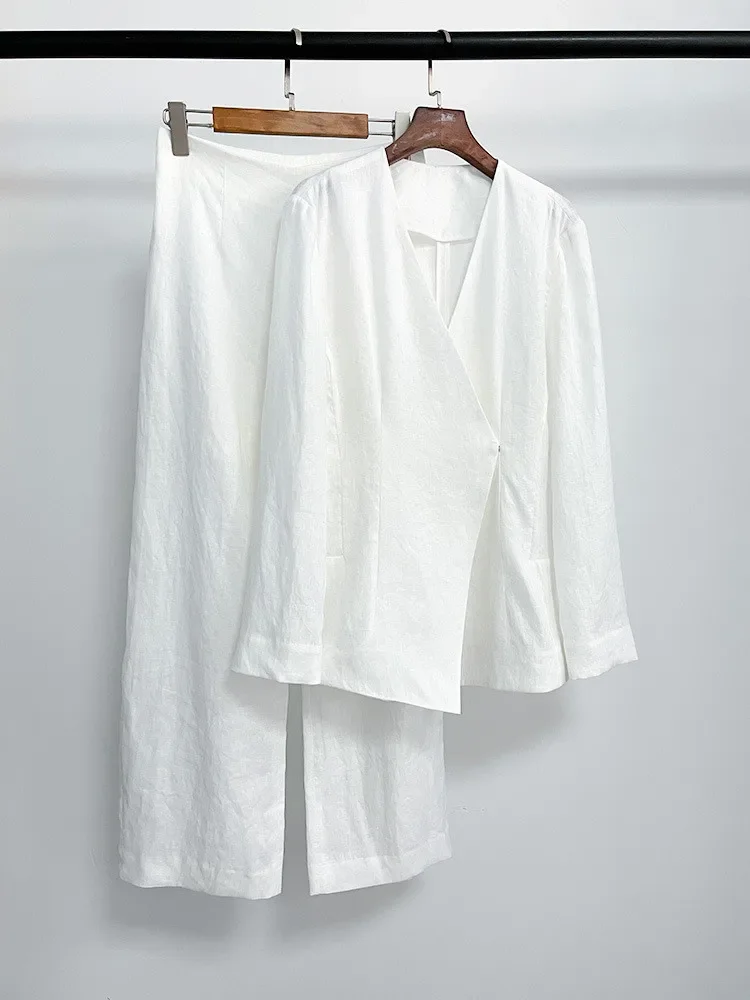
Before diving into the production process, let’s clarify exactly what linen is. Linen is a natural bast fiber extracted from the flax plant, scientifically known as Linum usitatissimum. Unlike cotton or hemp, linen fibers come from the stalks of the flax plant, making it one of the strongest and most durable natural fibers. Its unique composition of cellulose fibers allows for superior breathability, moisture absorption, and rapid drying, which is why it’s perfect for hot and humid climates.
Linen has a rich history, dating back thousands of years to ancient Egypt, where it was prized for both clothing and household textiles. Its durability and eco-friendliness have made it a favorite in Europe and around the world, particularly in Belgium, France, Ireland, and the Netherlands, regions famous for premium flax cultivation.
Overview of the Linen Production Process
Linen is a fabric with a long and intricate journey from plant to finished garment. Understanding its production becomes clearer when viewed as a step-by-step roadmap, highlighting the craftsmanship and careful processes that ensure quality, durability, and the unique texture of linen. The main stages in producing linen are:
- Flax cultivation – Growing high-quality flax requires precise soil conditions, climate, and careful monitoring to produce long-staple fibers suitable for premium linen.
- Harvesting – Timing and method are critical to preserve fiber length, strength, and uniformity.
- Retting – Controlled decomposition separates the fibers from the woody stalk, with methods ranging from traditional dew retting to modern enzymatic techniques.
- Breaking & scutching – Mechanical or manual processes remove the woody core and impurities, leaving clean flax fibers ready for further refinement.
- Hackling (heckling) – Fibers are combed to align strands and remove short fibers (tow), producing smooth line fibers for high-grade linen.
- Spinning into linen yarn – Aligned fibers are drafted, twisted, and spun into yarn, with methods like wet and dry spinning affecting texture and strength.
- Weaving into fabric – Yarn is woven into textiles on handlooms or industrial looms, with weave type influencing durability, feel, and appearance.
- Dyeing & finishing – Bleaching, washing, softening, and dyeing give linen its final look, texture, and comfort.
- Cutting & sewing garments – Fabric is tailored into clothing or home textiles, with consideration for linen’s natural wrinkles and minimal elasticity.
Each stage plays a crucial role in determining the final quality of the fabric, ensuring linen remains one of the most sustainable, durable, and desirable natural textiles in the world.
Step 1: Growing & Cultivating Flax
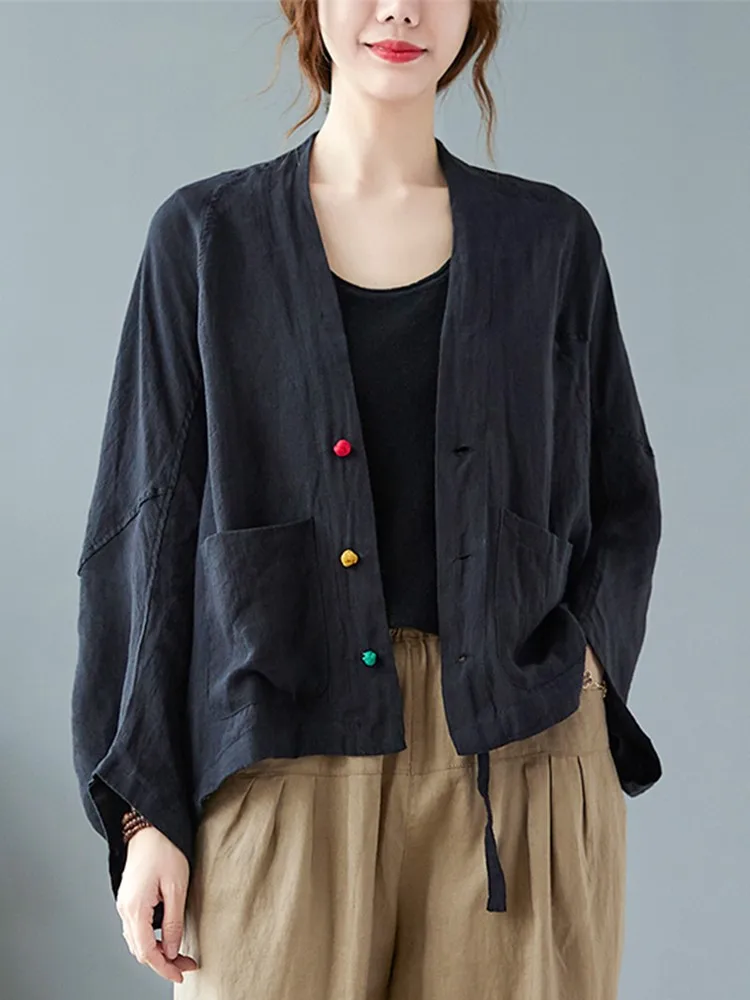
The journey of linen begins long before the fibers reach the loom, in the careful cultivation of the flax plant. Optimal flax growth depends on cool, temperate climates with well-drained, nutrient-rich soil. Seeds are typically sown early in the season to allow for steady growth, and the plant thrives with minimal pesticide and fertilizer use, making it an inherently sustainable crop.
Flax fields present a striking sight: slender green stalks growing straight and tall, often reaching heights of up to three feet. Environmental factors such as sunlight, rainfall, and soil composition directly influence the length, fineness, and strength of the fibers, which are crucial for producing high-quality linen. Regions like Belgium and France have become synonymous with premium flax, where centuries of expertise contribute to the production of what is often called Belgian linen or French flax. These regions prioritize both fiber quality and environmental sustainability, ensuring that the stalks yield long, fine fibers ideal for weaving into durable, luxurious fabrics.
Careful cultivation at this stage lays the foundation for every subsequent step in linen production, affecting fiber quality, texture, and the overall excellence of the finished fabric.
Step 2: Harvesting the Flax Plant
Harvesting marks the first crucial step in transforming flax into high-quality linen. The process requires precision and timing, as fibers reach optimal length and strength just before the seeds fully mature. If harvested too early or too late, the quality of the resulting fibers can be compromised, affecting the smoothness and durability of the final fabric. There are two primary harvesting methods:
- Hand harvesting – Traditional and labor-intensive, this method carefully pulls flax stalks from the soil, preserving the full length of the fibers. It is often used for premium flax intended for luxury linen.
- Mechanical harvesting – Common in large-scale industrial production, machines can harvest flax quickly and efficiently, though some shorter fibers may be slightly damaged compared to hand-pulled stalks.
Once harvested, the flax stalks are bundled and laid in the field for retting, which initiates the process of separating fibers from the woody core. Proper harvesting is essential: long-staple fibers produce smooth, lustrous linen, while shorter fibers, known as tow, are reserved for coarser fabrics or blended textiles. This careful attention at the harvesting stage lays the groundwork for the quality, strength, and feel of the linen that will eventually reach consumers.
Step 3: Retting – Separating Fiber From the Stalk
Retting is a critical stage in linen production, where the flax stalks undergo controlled decomposition to release the valuable fibers from the tough, woody core. The success of this process determines the length, fineness, strength, and texture of the resulting flax fibers, making it essential for high-quality linen. There are several methods of retting, each affecting the fiber differently:
- Dew retting – Stalks are spread across the fields, and natural moisture combined with microbial activity gradually breaks down the pectins. This traditional, eco-friendly method is slower and produces coarser fibers, yet it is highly sustainable and preserves the plant’s natural qualities.
- Water retting – Flax stalks are submerged in ponds, tanks, or slow-moving streams, accelerating decomposition. Water retting yields finer, softer fibers suitable for premium linen, but requires careful monitoring to prevent over-retting, which can weaken fibers.
- Enzyme retting – A modern, controlled technique using natural enzymes to achieve consistent results in a shorter time. This method balances efficiency with fiber quality and environmental considerations.
- Chemical retting – The fastest approach, using chemicals to break down the stalks. While it produces uniform fibers, it is less sustainable and increasingly avoided in environmentally conscious production.
The retting process directly influences the fiber’s color, strength, and workability for spinning. Over-retting can cause fibers to become weak and brittle, whereas under-retting makes fiber separation difficult, resulting in lower-quality linen. Properly executed retting ensures fibers are strong, smooth, and ready for the subsequent steps of breaking, scutching, and hackling.
Step 4: Breaking & Scutching – Removing the Woody Core
After retting, flax stalks must be processed to separate the valuable fibers from the tough woody core. This begins with breaking, where the stalks are gently crushed using either wooden rollers or mechanical breakers. The process fractures the woody core into smaller pieces while keeping the long fibers largely intact, setting the stage for clean fiber extraction.
The next step, scutching, removes the broken shives and residual impurities. Traditionally, this was done manually with a scutching bench and wooden blades, requiring skill and precision to avoid damaging the fibers. In modern production, mechanical scutchers handle large volumes efficiently while maintaining fiber quality. This stage represents the first visible transformation from raw stalks into clean flax fibers, which are now ready for alignment and preparation in the hackling process.
Proper execution of breaking and scutching is critical: too aggressive a process can shorten fibers or introduce defects, while gentle, controlled processing preserves fiber length, strength, and smoothness, which are essential for premium linen production.
Step 5: Hackling (Heckling) – Combing the Fibers
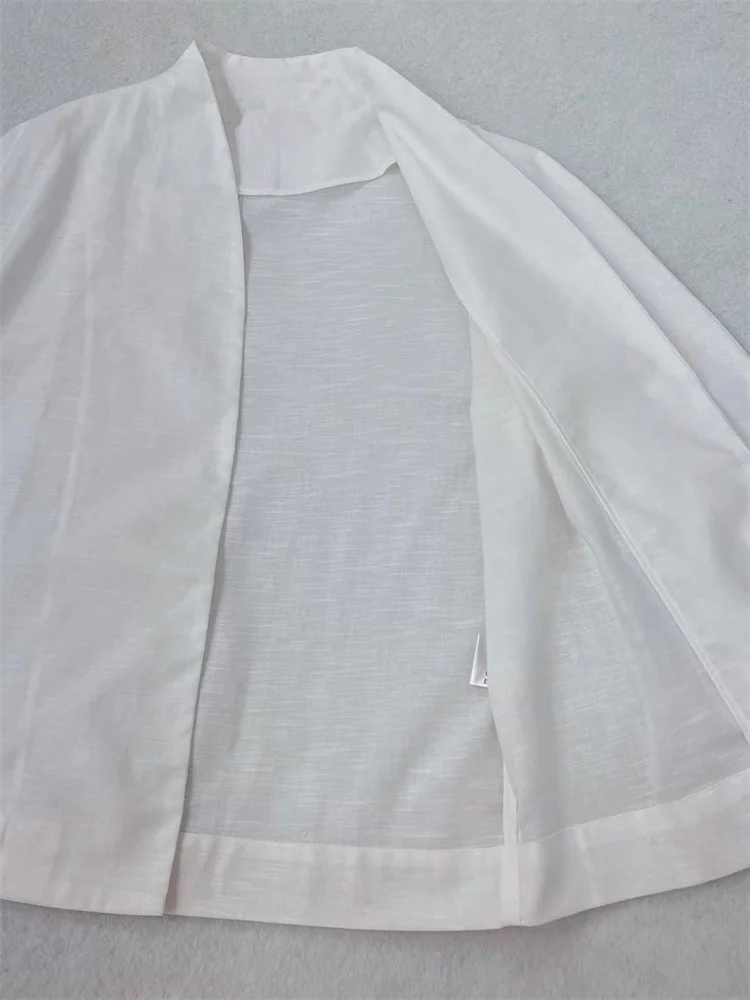
Once flax fibers have been separated and cleaned, they undergo hackling, a meticulous process designed to align the fibers and remove shorter, coarse strands known as tow. Hackling is essential for producing linen that is smooth, lustrous, and suitable for high-quality textile applications.
During hackling, fibers are drawn through a series of progressively finer metal combs, which separate, straighten, and refine the strands. This process yields two primary types of fibers:
- Line fibers – Long, fine, and flexible, ideal for spinning into premium linen yarn and crafting luxury garments.
- Tow fibers – Shorter, coarser strands often used in blended fabrics, industrial linens, or lower-grade textiles.
Proper hackling not only improves the alignment of fibers but also enhances their strength, sheen, and workability, laying a strong foundation for spinning. The quality of the final linen fabric is directly influenced by the precision of this step, making hackling a critical stage in achieving smooth, durable, and high-grade textiles.
Step 6: Spinning Flax Into Linen Yarn
Once the flax fibers are meticulously aligned through hackling, they are ready to be transformed into linen yarn, the foundation of all linen textiles. Spinning converts raw fibers into continuous strands, determining the yarn’s strength, smoothness, and overall quality, which directly impacts the feel and durability of the finished fabric.
There are two primary spinning methods:
- Wet spinning – Fibers are kept slightly damp during the spinning process. This method produces smoother, finer, and stronger yarn, ideal for high-grade linen garments and luxurious textiles. The moisture allows fibers to slide past one another, resulting in uniform, polished threads.
- Dry spinning – Fibers remain dry, producing a coarser, more textured yarn. This type is often used for casual wear, decorative fabrics, or heavier textiles where rustic appeal and character are desired.
During spinning, fibers are carefully drafted, twisted, and strengthened to achieve the desired yarn count, consistency, and tensile strength. Each parameter—twist, thickness, and evenness—plays a vital role in defining the durability, texture, and luster of the resulting linen fabric. Proper spinning ensures that the yarn retains its natural qualities while being robust enough for weaving into high-quality textiles
Step 7: Weaving Linen Fabric
Once spun, linen yarn is transformed into fabric through the weaving process, which is essential in defining the texture, durability, and overall character of the textile. Weaving not only determines the strength of the linen but also influences its breathability, drape, and aesthetic appeal, making it a pivotal stage in production. Several weave types are commonly used in linen fabric production:
- Plain weave – The most traditional and widely used weave, producing crisp, lightweight, and highly breathable linen suitable for shirts, blouses, and summer garments.
- Twill weave – Characterized by diagonal lines, twill weave yields a stronger, smoother fabric with a slightly heavier feel, often used for trousers, jackets, and home textiles.
- Sateen weave – Produces a soft, lustrous fabric, ideal for luxurious bedding and high-end garments, offering a smooth hand feel and elegant drape.
Weaving can be done on traditional handlooms, preserving artisanal qualities, or on modern industrial looms capable of producing consistent, high-volume fabrics. Factors such as warp and weft alignment, thread count, tension, and weave tightness all directly influence the final fabric’s quality, ensuring linen is durable, smooth, and ready for finishing processes.
The weaving stage completes the transformation of yarn into fabric, laying the foundation for linen’s unique combination of strength, breathability, and elegance in garments and home textiles.
Step 8: Finishing the Linen Fabric
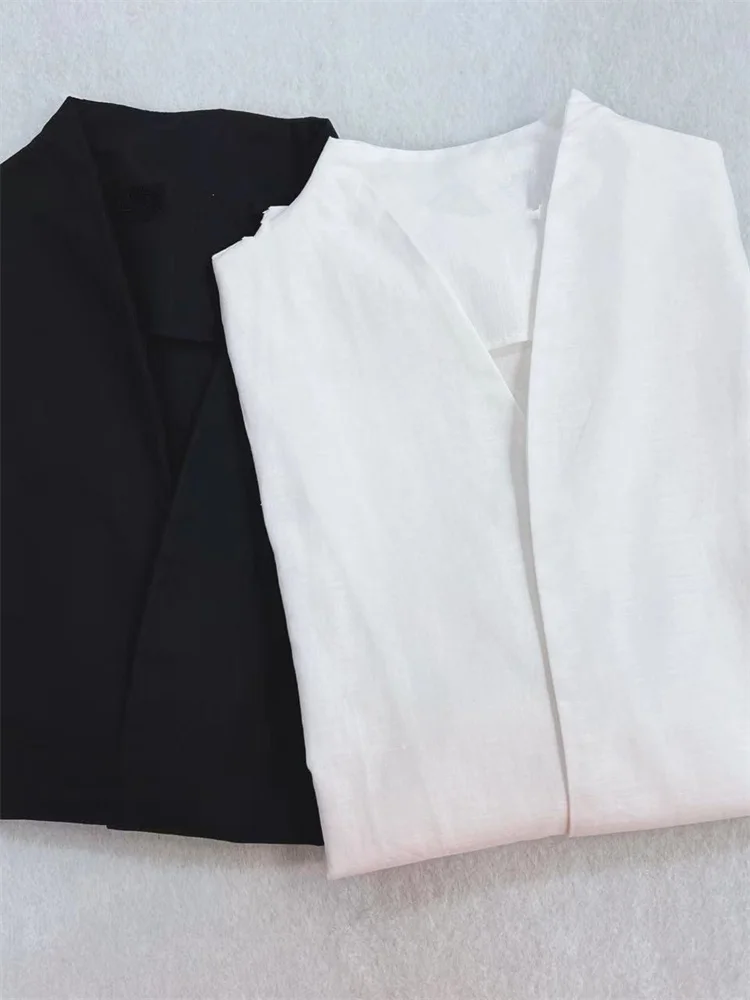
After weaving, linen fabric undergoes a series of finishing processes designed to enhance its softness, appearance, durability, and overall usability. Finishing is essential to transform the crisp, raw fabric into a comfortable, visually appealing material ready for garments or home textiles.
- Pre-washing – Removes natural stiffness from the fabric, making it more pliable and preparing it for subsequent dyeing or bleaching processes.
- Bleaching – Produces a uniform, bright fabric by eliminating natural pigments, creating a consistent base for dyes or maintaining a clean, natural look.
- Dyeing – Achieves the desired color, whether through natural dyes, reactive dyes, or modern eco-friendly processes. Uniform penetration ensures the color is long-lasting and vibrant.
- Stonewashing, enzyme washing, or garment washing – Adds softness, texture, and a slightly worn, natural look, enhancing the fabric’s tactile appeal.
- Softening – Reduces crispness, making linen more comfortable against the skin while maintaining its strength.
- Shrinkage control – Stabilizes the fabric to prevent excessive shrinkage during garment use, ensuring long-term fit and quality.
Through these carefully controlled finishing techniques, linen fabric gains enhanced texture, visual appeal, breathability, and natural charm. Finishing not only improves the hand feel and appearance but also strengthens the fabric, ensuring the final product is ready for high-quality garments or home textiles.
Step 9: Cutting & Sewing Linen Garments
The final step in linen production is transforming the finished fabric into garments or home textiles, a process that requires precision and careful handling due to linen’s low elasticity. Proper cutting and sewing techniques are essential to maintain the fabric’s integrity, prevent stretching, and ensure long-lasting durability.
Patterns are often designed with extra seam allowances, and key seams are reinforced to withstand wear and washing. Linen is highly versatile, making it suitable for a wide range of garments and textiles, including:
- Shirts and blouses – Lightweight, breathable, and perfect for summer wear.
- Dresses and tunics – Flowing designs that highlight linen’s natural drape.
- Trousers and shorts – Structured yet comfortable, ideal for warm climates.
- Home textiles – Bedding, tablecloths, and other household fabrics where breathability and durability are prized.
Linen’s characteristic natural wrinkles are celebrated rather than hidden, giving garments a relaxed yet elegant look. Thoughtful cutting and sewing preserve these unique qualities, ensuring each piece showcases the strength, texture, and timeless charm of linen fabric.
Sustainability: Why Linen Is Eco-Friendly
Linen stands out not only for its comfort and durability but also for its environmental sustainability. Compared to other fibers like cotton, flax requires significantly less water, thrives with minimal chemical inputs, and is fully biodegradable, making it an inherently eco-friendly choice.
Every part of the flax plant is utilized, reducing waste and supporting a circular production model:
- Fibers → spun into durable, breathable fabric.
- Seeds → processed into linseed oil or used as high-protein animal feed.
- Shives → repurposed as compost, mulch, or even sustainable building materials.
These sustainable practices not only minimize environmental impact but also make linen a preferred material for eco-conscious designers and responsible consumers. Its combination of low resource consumption, biodegradability, and full-plant utilization positions linen as one of the most environmentally responsible choices in modern textile production.
Types and Quality of Linen
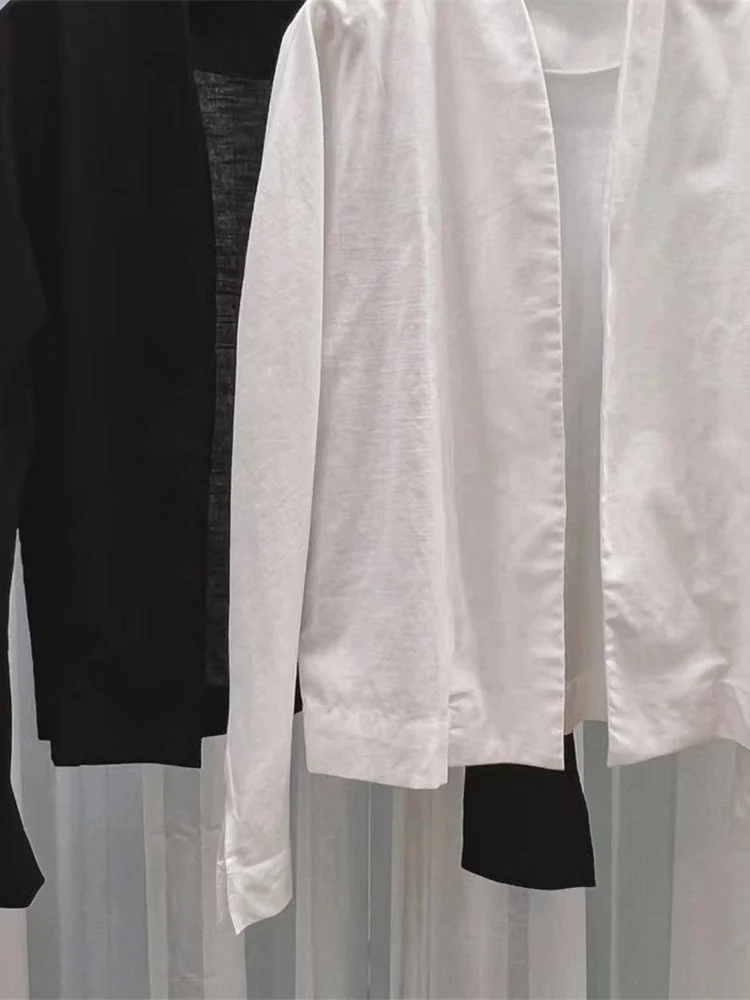
Linen is a diverse fabric, and not all linen is created equal. Its quality is determined by several key factors, from the fiber itself to the weaving technique, each contributing to the texture, strength, and appearance of the final textile.
- Fiber length – Long-staple fibers produce smooth, fine, and durable linen ideal for premium garments, while shorter fibers, or tow, result in coarser fabric suited for blended textiles or household items.
- Region of cultivation – Flax from Belgium, France, and Ireland is widely regarded as top-quality, thanks to favorable soil, climate, and centuries of refined cultivation techniques.
- Weave density and type – Tighter weaves create stronger, finer fabrics with a refined hand feel, whereas looser weaves may be more breathable but slightly less durable.
- Handwoven vs. machine-woven – Artisanal, handwoven linens often have unique textures, slight variations, and a distinct character, while machine-woven linen provides uniformity and efficiency for large-scale production.
High-quality linen is smooth, soft, and lustrous, reflecting careful cultivation, processing, and weaving. Lower-grade linen, while still durable, tends to be coarser and is better suited for home textiles or blended fabrics. Understanding these differences helps in selecting the right linen for clothing, bedding, or decorative applications, ensuring the fabric meets both aesthetic and functional expectations.
Common Myths About Linen Production
Despite its long history and popularity, linen is surrounded by several misconceptions that can mislead consumers about its comfort, sustainability, and durability. Understanding the truth behind these myths is essential for appreciating the quality and value of linen.
- Linen is itchy – Only coarse or lower-quality fibers feel rough. Premium, long-staple linen is naturally smooth and soft, improving with each wash while maintaining durability.
- Linen wastes water – Flax cultivation is highly eco-friendly, requiring minimal water compared to crops like cotton, making linen one of the most sustainable natural fibers.
- Linen is fragile – On the contrary, dry linen fibers are exceptionally strong. When cared for properly, linen garments and textiles can last decades, often improving in texture over time.
- All linen is the same – Linen quality varies widely based on fiber length, region of cultivation, weave type, and finishing techniques, which all influence the texture, strength, and appearance of the final fabric.
By debunking these myths, it becomes clear why linen remains a timeless, sustainable, and luxurious fabric that balances comfort, strength, and environmental responsibility.
FAQs About How Linen Is Made
Understanding linen production often raises questions about its process, qualities, and sustainability. The following FAQs address common curiosities in detail:
How long does it take to make linen?
From sowing flax seeds to producing finished fabric, the process typically takes 100–120 days for cultivation alone. After harvesting, additional time is needed for retting, breaking, scutching, hackling, spinning, weaving, and finishing. Each stage requires precision to ensure fibers remain strong, smooth, and suitable for high-quality linen textiles.
Why does linen wrinkle?
Linen fibers have low elasticity, which makes the fabric naturally prone to wrinkles. These wrinkles are not defects; instead, they give linen its unique texture, relaxed elegance, and natural charm. High-quality linen softens over time while maintaining durability, making its characteristic wrinkles a sign of authenticity.
Is linen eco-friendly?
Yes. Flax is a low-impact crop that requires minimal water and chemical inputs, and the fibers are fully biodegradable. Every part of the plant is utilized:
- Fibers → fabric for garments and home textiles
- Seeds → linseed oil or animal feed
- Shives → compost or sustainable building materials
These practices make linen one of the most environmentally responsible textiles available.
What is the difference between flax and linen?
Flax refers to the raw plant, cultivated in fields for its long, strong fibers. Linen is the processed material derived from these fibers, spun into yarn and woven into textiles. Understanding this distinction clarifies how centuries-old techniques transform a humble plant into luxurious, durable fabric.
Is all linen made the same way?
No. Linen production varies depending on traditional versus modern methods. Some producers use hand-harvesting and dew retting, while industrial operations may rely on mechanical harvesting, enzymatic retting, and machine spinning. Differences in fiber quality, weaving, and finishing all influence the texture, strength, and final feel of the fabric
Conclusion
And that, dear reader, is the incredible journey of linen—from flax harvesting in the field to luxurious, breathable garments. As Linaé, I hope this guide has illuminated not just the steps, but the artistry, sustainability, and attention to detail behind this remarkable fabric. Understanding how linen is made makes you appreciate every shirt, dress, and sheet, and the centuries of tradition combined with modern innovation that bring it to life.
Next time you wear linen, you’ll know exactly the journey it took: cultivated in nutrient-rich soil, carefully harvested, retted and scutched, spun into yarn, woven into fabric, finished, and finally tailored into a garment ready to keep you cool, comfortable, and stylish—all naturally.