Hi, I’m Linaé! If you’ve ever browsed linen clothing, you’ve probably noticed the term GSM in product descriptions. But what does GSM mean in linen clothing? Simply put, GSM stands for grams per square meter, and it tells you how heavy or light the fabric is. Understanding GSM is key because it affects not only the thickness and weight of your linen garments but also their softness, drape, and overall comfort.
Knowing what GSM means in linen clothing helps you make smarter choices when picking shirts, dresses, or pants. From lightweight, breezy linen for hot summer days to heavier, structured pieces for cooler weather, GSM guides you in selecting fabrics that are breathable, stylish, and perfectly suited to your wardrobe needs.
What is GSM in Fabric?
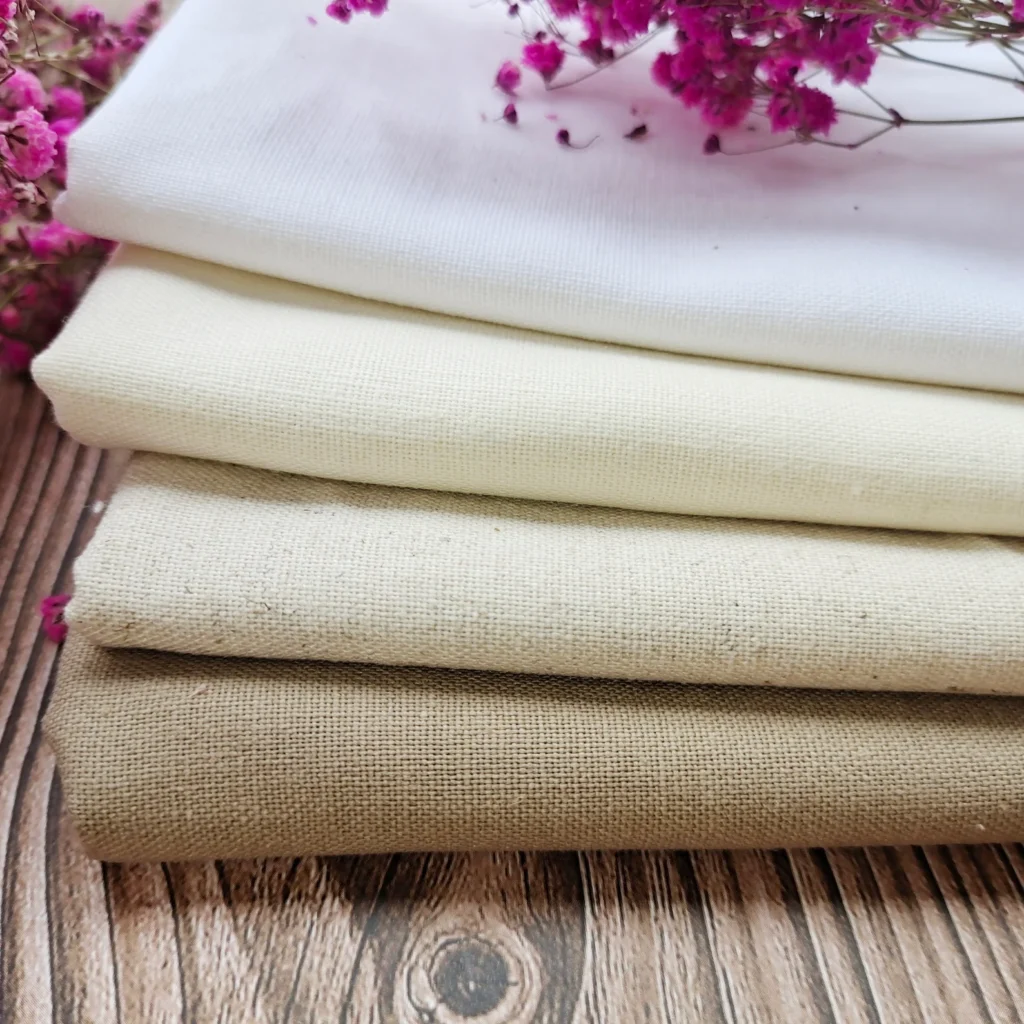
GSM stands for grams per square meter, a unit used to measure the weight of fabric. Essentially, it tells you how much a square meter of a particular textile weighs. In the context of linen, GSM is crucial because it determines the thickness, opacity, and feel of the fabric.
For example:
- A linen fabric with a low GSM feels light and airy, ideal for hot weather.
- A high GSM linen feels denser and heavier, perfect for creating structured garments.
Knowing the GSM of linen fabric can prevent unpleasant surprises—like buying a sheer dress when you expected something more opaque. It also helps you pick linen clothing that matches your lifestyle and comfort preferences.
How GSM Affects Linen Clothing?
Understanding GSM is crucial for anyone selecting linen clothing. GSM not only determines the weight and thickness of the fabric but also affects transparency, comfort, and how the garment drapes. Here’s a closer look at how GSM influences linen.
Thickness and Weight
The thickness and weight of linen are the most immediate ways GSM impacts a garment. Linen fabrics are typically classified into three main GSM categories, each offering distinct characteristics for different uses:
- Lightweight linen (100–150 GSM):
Lightweight linen is soft, airy, and highly breathable, making it ideal for summer linen clothing such as shirts, blouses, and casual dresses. The lighter weight enhances comfort in hot weather, allowing maximum airflow. However, fabrics in this range can be slightly transparent, which may require layering with camisoles or slips. - Medium weight linen (150–200 GSM):
This GSM range provides the perfect balance between comfort and durability, making it versatile for daily wear. Medium weight linen is opaque enough for most garments, from tops to casual pants and dresses, without feeling heavy or restrictive. It’s suitable for both casual and semi-formal outfits. - Heavyweight linen (200+ GSM):
Heavier linen is dense, structured, and durable, ideal for jackets, trousers, and tailored dresses. It holds its shape well and is less prone to wrinkles, offering a polished appearance and additional warmth for cooler climates.
GSM directly influences the feel and suitability of linen for different climates and purposes, from airy summer pieces to structured, long-lasting garments.
Transparency and Opacity
The opacity of linen is closely tied to its GSM. Lighter fabrics tend to be more translucent, while heavier linens provide better coverage. Choosing the right GSM ensures garments meet aesthetic and practical needs without unwanted transparency.
- Lightweight linen (100–150 GSM): Best for layering over innerwear or camisoles due to its slight sheerness. Ideal for casual summer dresses and tops where airflow is prioritized.
- Medium weight linen (150–200 GSM): Offers a moderate opacity suitable for daily wear without additional layering. Dresses, skirts, and shirts in this range remain comfortable while maintaining modesty.
- Heavyweight linen (200+ GSM): Fully opaque, excellent for structured pieces such as jackets, trousers, or formal dresses. No lining is necessary, and garments maintain a refined appearance.
Selecting linen based on GSM helps balance breathability with coverage, ensuring garments remain functional and flattering.
Comfort and Drape
GSM also affects the comfort and drape of linen clothing. Lighter fabrics flow easily and create a relaxed, breezy silhouette, whereas heavier fabrics provide structure and maintain shape.
- Softness: Lower GSM fabrics feel immediately soft against the skin, enhancing comfort for warm weather.
- Durability: Higher GSM fabrics are denser, ensuring longer-lasting garments that resist wear and maintain form over time.
- Breathability: Lightweight linen allows optimal airflow, making it ideal for hot and humid climates.
The drape of linen is critical for styling: lightweight linen gives garments movement and fluidity, while heavier linen holds a tailored, polished look. Choosing the right GSM ensures that the linen garment not only fits well but also looks elegant in motion.
Choosing the Right GSM for Your Linen Clothing
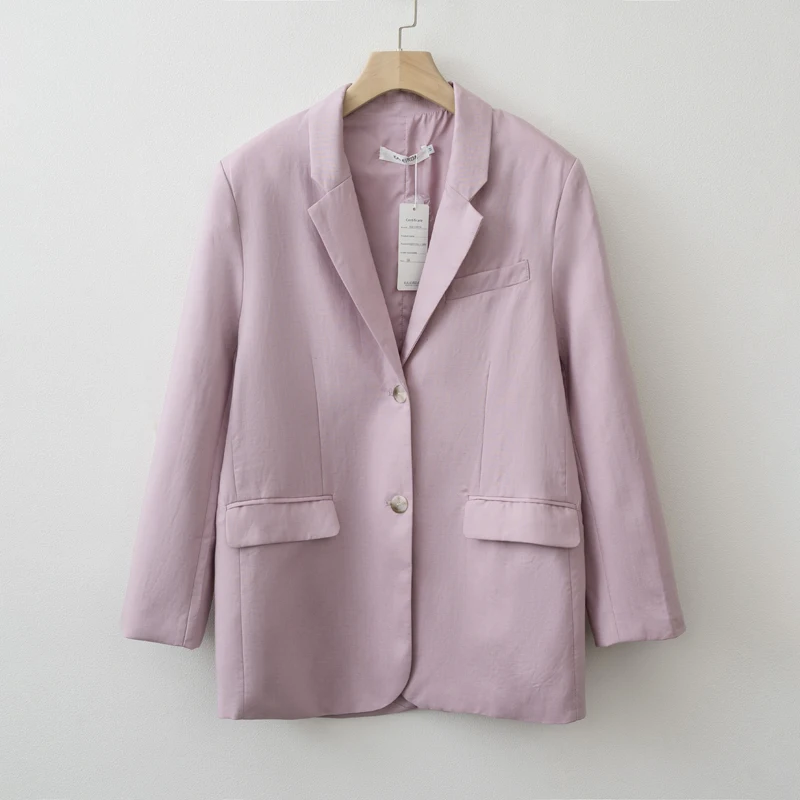
Selecting the appropriate GSM is essential for ensuring linen garments are comfortable, functional, and suitable for the intended season or occasion. GSM influences not only the weight and feel of the fabric but also its drape, durability, and breathability, which are critical factors when building a versatile linen wardrobe.
- Linen shirts (120–180 GSM):
Shirts in this range offer the perfect balance between lightness and structure. Lower GSM shirts (120–150) are ideal for hot summer days, providing breathability and airflow, while medium GSM shirts (150–180) work well for office settings, offering enough weight to maintain a crisp and polished look. Choosing the right GSM ensures the shirt remains comfortable without appearing too flimsy or too rigid. - Linen dresses (140–200 GSM):
Dresses require careful consideration of GSM because it affects both flow and opacity. Lightweight linen dresses (140–160 GSM) are breezy, soft, and suitable for layering, while medium to heavier dresses (170–200 GSM) hold their shape better, offering a structured and elegant appearance. GSM selection here ensures dresses remain comfortable while complementing the intended style, whether casual or semi-formal. - Linen pants (160–220 GSM):
Pants generally benefit from higher GSM fabrics to provide durability, maintain form, and resist wrinkles. Lighter pants (160–180 GSM) are comfortable for warmer weather and relaxed fits, whereas heavier pants (190–220 GSM) offer structure, making them suitable for tailored looks or cooler climates. The right GSM helps linen pants balance functionality, comfort, and style.
When purchasing linen online, always check the product description for GSM. This simple metric offers valuable insight into fabric thickness, softness, and transparency, enabling informed decisions and reducing the risk of buying garments that do not meet expectations.
Tips for Layering and Styling Linen by GSM
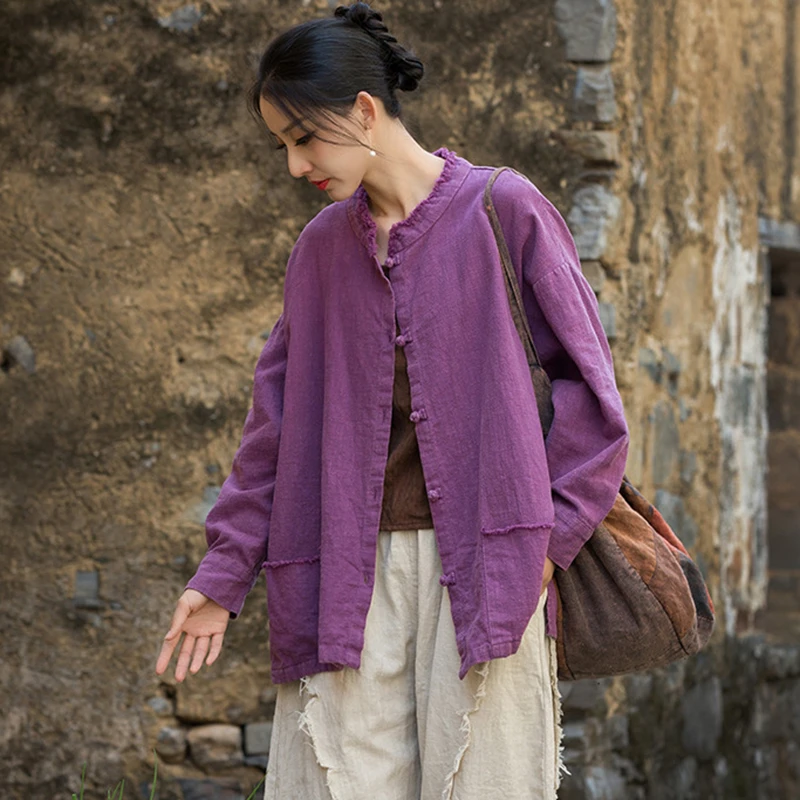
Understanding GSM can greatly enhance styling and layering decisions. Choosing the right fabric weight ensures garments are not only comfortable but also visually balanced and appropriate for the season. GSM informs how linen will drape, flow, and interact with other pieces in an outfit.
- Lightweight linen (100–150 GSM):
Ideal for layering in warm weather, lightweight linen adds breathability without bulk. Linen shirts in this range can be worn over camisoles or tank tops for casual summer outfits, or under a light cardigan for transitional weather. Lightweight linen dresses are perfect for layering over slip dresses or thin inner layers, maintaining comfort while preventing transparency issues. - Medium weight linen (150–200 GSM):
Medium GSM linen is versatile enough to be worn alone. It is suitable for casual office wear, daily activities, or semi-formal outings. The fabric provides enough structure to hold its shape while remaining breathable, making it a practical choice for a polished yet comfortable look. - Heavyweight linen (200+ GSM):
Heavier linen fabrics are designed to stand alone and maintain form. Perfect for structured dresses, tailored trousers, or linen jackets, heavyweight linen creates a sophisticated silhouette and adds a sense of durability. It also works well for cooler climates, providing warmth without compromising style.
Additional styling insights:
- Opt for lighter GSM fabrics in hot, humid climates to maximize airflow and comfort.
- Choose heavier GSM fabrics during cooler months to retain warmth and shape.
- Combining different GSM fabrics in one outfit can create visual interest, contrast, and a balanced sense of proportion.
Properly considering GSM in styling and layering allows garments to perform optimally for comfort, seasonality, and aesthetic appeal, ensuring each outfit looks deliberate and well-composed.
FAQs About GSM in Linen Clothing
Understanding GSM can raise many questions for those selecting linen garments. These frequently asked questions address common concerns about fabric weight, transparency, and practical use, helping readers make informed choices.
How do I know the GSM of a linen garment?
Most linen garments, especially those sold online, include GSM information in the product description or on the label. GSM indicates the weight of the fabric per square meter, which helps predict thickness, softness, opacity, and overall feel. Checking GSM ensures the garment will meet expectations in terms of comfort and suitability for the season.
Does higher GSM mean better quality?
Not always. While a higher GSM typically indicates a heavier, denser, and more durable fabric, true quality also depends on the type of linen fiber, weave, and finishing process. A lighter linen with premium fibers and careful weaving can feel luxurious and last long, whereas a heavy but poorly woven linen may be stiff or prone to wear.
Which GSM is best for hot weather?
For hot and humid climates, lightweight linen (100–150 GSM) is ideal. This range maximizes airflow, keeps the body cool, and provides a soft, breathable texture against the skin. It is perfect for summer shirts, dresses, and casual tops where comfort is a priority.
Can low GSM linen be worn daily?
Yes, lightweight linen is comfortable and soft enough for daily wear. However, due to its slightly sheer nature, layering with innerwear such as camisoles or slips may be necessary, depending on the garment type. Low GSM linen offers ease of movement and breathability, making it highly practical for casual or warm-weather outfits.
How does GSM affect transparency?
The transparency of linen is directly related to its GSM. Lower GSM fabrics are thinner and may appear slightly see-through, while higher GSM fabrics are denser and more opaque, providing better coverage. Understanding this relationship allows shoppers to select linen garments that meet their desired level of modesty and style.
Conclusion
As Linaé, I can confidently say that understanding GSM in linen clothing is essential for building a versatile, comfortable, and stylish wardrobe. From lightweight summer tops to heavy, structured dresses, GSM helps you determine the thickness, transparency, and comfort of your linen garments.
Before making a purchase, always check the GSM to ensure that your linen clothing meets your expectations for opacity, drape, and seasonal suitability. By considering GSM, you’ll enjoy linen clothing that feels just right, looks polished, and lasts longer. So the next time you shop for linen, remember to ask: “What Does GSM Mean in Linen Clothing?”—because this small number can make a big difference in your daily comfort and style.