When I run my fingers across a piece of linen, I feel more than texture—I feel time itself. Linen is not just fabric; it is history spun from flax, shaped by civilizations, and worn by humanity for thousands of years. From ancient flax fields to finely woven garments, linen clothing has quietly accompanied human life, adapting to climate, culture, and changing needs while retaining its natural simplicity and strength.
As Linaé, I invite you to explore the history of linen clothing, from its sacred role in ancient Egypt to its evolution through classical societies, medieval Europe, and modern minimalist fashion. This guide reveals how linen clothing was made, why it endured through centuries of change, and why linen remains one of the most relevant natural fabrics in contemporary wardrobes today.
The Origins of Linen Clothing
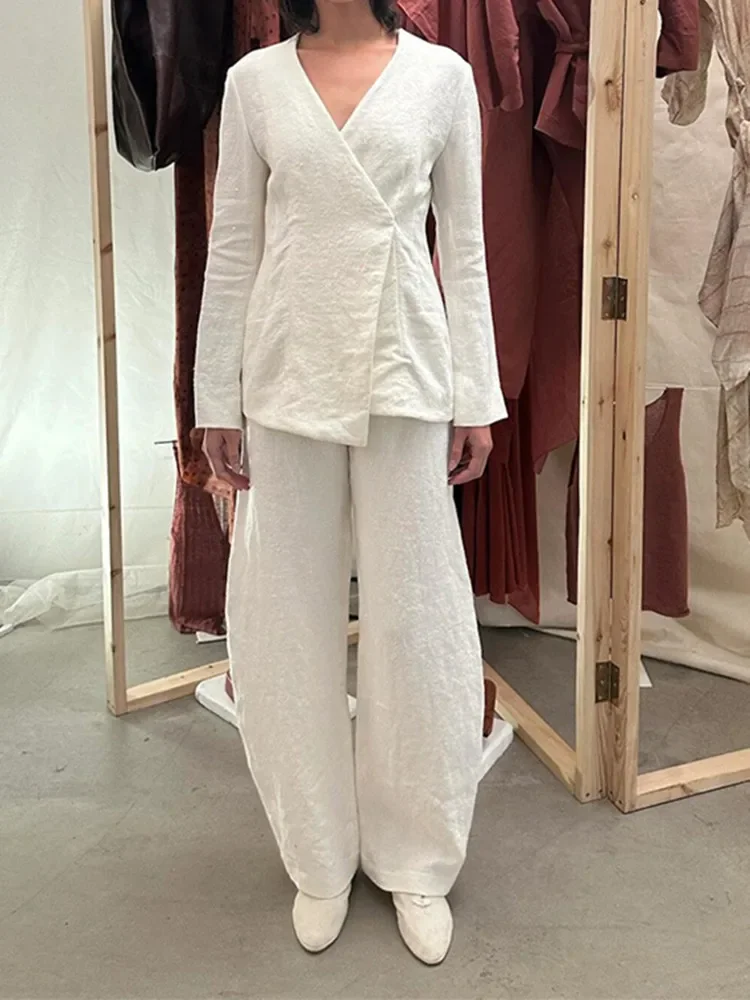
To understand the history of linen clothing, it is essential to begin with flax—the humble plant that made linen possible. Long before linen garments became symbols of culture or craftsmanship, flax was valued simply for its usefulness. The discovery of flax fiber marked a turning point in early textile history, laying the groundwork for the development of linen fabric and the first true linen clothing.
- The Discovery of Flax Fiber: The history of linen clothing begins with flax cultivation, one of the earliest agricultural practices known to humankind. Archaeological evidence suggests that flax fibers were used as early as 30,000 years ago, long before woven textiles became common. These early flax fibers were twisted into cords and nets, marking the foundation of linen fabric history. Flax (Linum usitatissimum) was valued for its strong, smooth fibers, which could be spun into yarn and woven into cloth. Unlike animal-based textiles, flax-based linen was plant-derived, breathable, and ideal for warm climates. This made linen one of the first natural fibers to be widely adopted for clothing.
- Early Linen Production Techniques: Early linen production was labor-intensive and time-consuming. The process involved harvesting flax plants, retting (soaking to loosen fibers), breaking, scutching, hackling, spinning, and finally weaving. Every step required skill and patience, making linen a valuable textile in ancient societies. Because of this complex production, early linen garments were often associated with wealth, ritual, and social importance. Linen was never accidental—it was intentional.
The early use of flax fiber did more than introduce a new material; it shaped the way humans approached clothing, craftsmanship, and resource use. By transforming raw flax into wearable fabric, ancient societies established the foundations of linen textile history—one built on patience, skill, and an understanding of nature that would define linen clothing for thousands of years to come.
Linen Clothing in Ancient Civilizations
As linen production advanced, early civilizations began to integrate linen clothing into daily life, religion, and social structure. This period marks a crucial stage in the history of linen clothing, where linen evolved from a functional textile into a fabric with cultural, symbolic, and economic significance.
Linen in Ancient Egypt: Purity, Power, and Daily Life
- No civilization is more closely associated with linen than ancient Egypt. Linen clothing in ancient Egypt symbolized purity, cleanliness, and divine order. The hot desert climate made linen ideal, and flax cultivation thrived along the Nile.
- Egyptian linen garments ranged from simple loincloths to finely pleated robes worn by royalty and priests. White linen, in particular, held religious significance. Linen wrappings were used in mummification rituals, reinforcing linen’s spiritual role beyond daily wear.
- Linen was worn by all classes, but the quality varied dramatically. Fine, sheer linen signaled high social status, while coarser linen served laborers. This early differentiation marked linen as both practical and symbolic.
Linen in Mesopotamia and the Ancient Near East: Beyond Egypt, linen textiles appeared in Mesopotamia and the broader Near East. Linen was traded alongside wool and used for garments, household textiles, and ceremonial purposes. These regions helped expand linen textile history through early trade networks.
Linen in Classical Antiquity: Greece and Rome
As Mediterranean civilizations expanded, linen clothing evolved to reflect new ideals of movement, function, and civic life. In this stage of the history of linen clothing, Greece and Rome refined how linen was worn, styled, and valued within everyday and public life.
- Linen Clothing in Ancient Greece: In ancient Greece, linen clothing was associated with lightness, movement, and athleticism. Linen chitons and tunics were commonly worn, especially in warmer regions. Compared to wool, linen offered superior breathability, making it suitable for daily life and physical activity. Greek linen garments emphasized drape and proportion, influencing Western clothing silhouettes for centuries.
- Linen Garments in Ancient Rome: The Romans adopted linen for its hygienic qualities. Linen tunics, undergarments, and household linens became widespread. Linen was also used in military and medical contexts due to its strength and cleanliness. In Roman society, linen clothing indicated refinement and order, reinforcing its role as a practical yet elevated textile.
Linen Clothing in the Middle Ages
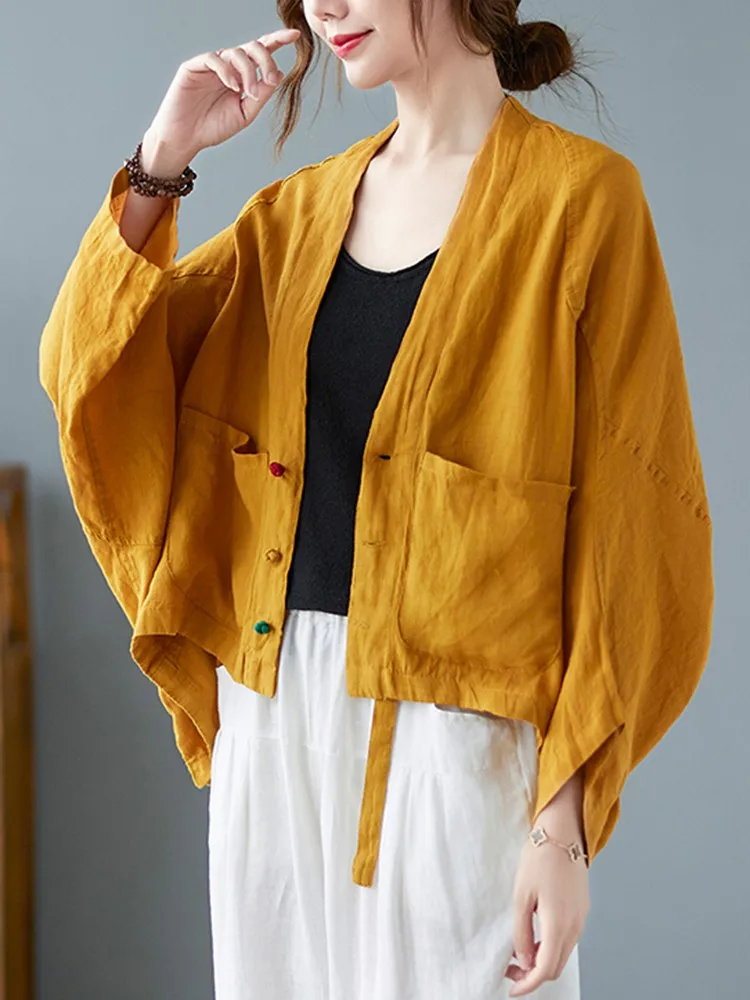
As European societies reorganized after the fall of the Roman Empire, linen clothing took on a more functional and domestic role. This period marked a significant shift in the history of linen clothing, as linen became essential to hygiene, household production, and everyday wear rather than public display.
Linen as Everyday Undergarments
In medieval Europe, linen clothing transitioned from visible outer garments to indispensable underlayers. Linen shirts, shifts, and chemises were worn beneath heavier wool clothing to absorb sweat, protect the skin, and extend the lifespan of outer garments. This practical use made linen a daily necessity rather than a luxury item.
Because linen could be washed and dried more easily than wool, it played a central role in medieval hygiene practices. Clean linen undergarments were associated with health and social respectability, regardless of class. While both peasants and nobility relied on linen underclothing, fabric quality varied noticeably, with finer linen reserved for wealthier households.
Through its role as undergarments, linen became closely associated with cleanliness, comfort, and routine life during the Middle Ages.
Medieval Flax Cultivation and Weaving
Flax production became a common household activity across much of medieval Europe, particularly in rural areas. Families cultivated flax, processed the fibers, spun yarn, and wove linen primarily for personal and local use. This domestic approach to linen production shaped regional styles and techniques.
Household-based flax cultivation and weaving reinforced linen’s position as a staple textile rather than a luxury commodity. Skills related to linen production were passed down through generations, strengthening regional linen traditions and embedding linen deeply into medieval daily life.
The widespread household production of linen ensured its continuity and adaptability, allowing linen clothing to remain an essential part of European life throughout the medieval period.
Renaissance and Early Modern Linen Fashion
As European society entered the Renaissance, linen clothing moved beyond basic function and became a visible expression of wealth, refinement, and social distinction. This era represents a turning point in the history of linen clothing, where craftsmanship and appearance elevated linen to a new cultural status.
Linen as a Status Symbol
During the Renaissance, linen clothing emerged as a clear marker of social rank. Fine linen shirts, carefully constructed collars, cuffs, and lace-trimmed details became essential elements of aristocratic dress. The crisp whiteness of linen signaled wealth and discipline, as maintaining clean linen required both labor and access to laundering resources.
Detachable linen collars and cuffs reflected a practical yet influential innovation. These removable pieces allowed outer garments to remain clean while showcasing fresh linen, reinforcing linen’s role as both a functional textile and a visual symbol of status.
The Rise of European Linen Trade
As demand for high-quality linen increased, several regions emerged as major centers of linen production. Flanders, France, Ireland, and the Baltic states became widely recognized for their expertise in flax cultivation and linen weaving. Among them, Irish linen gained particular international prestige for its consistency and fine quality.
The expansion of the European linen trade fueled regional economies and strengthened cross-border textile commerce. Linen production supported specialized labor networks and encouraged the exchange of weaving techniques, further embedding linen into Europe’s economic and cultural landscape.
Through trade and specialization, linen evolved from a domestic textile into a major commercial commodity, shaping its role in early modern European society.
Linen During the Industrial Revolution

The Industrial Revolution marked a decisive shift in the history of linen clothing, as traditional craftsmanship confronted mechanized production and new industrial priorities.
Mechanization of Linen Production
The Industrial Revolution transformed linen production through the introduction of mechanized processes and centralized mills. Linen factories increased output, reduced reliance on manual labor, and improved consistency in fabric quality. This transition reshaped how linen was produced and distributed across Europe.
However, flax processing remained more complex and time-consuming than cotton. The multiple stages required to transform flax into linen yarn limited linen’s ability to scale at the same pace as cotton within industrial systems. As a result, linen production adapted more slowly to full industrialization. Despite these limitations, mechanization ensured linen’s continued presence as a refined and durable textile during a period of rapid industrial change.
Linen vs Cotton: A Historical Shift
As industrial manufacturing advanced, cotton emerged as the dominant textile of the era. Cheaper raw materials, easier mechanization, and softer texture made cotton ideal for mass-produced clothing. Linen, by comparison, gradually declined in everyday use.
Cotton’s adaptability to factory systems allowed it to replace linen in many common garments, particularly among the working population. Linen increasingly became associated with specific uses rather than daily wear. Even as cotton gained dominance, linen retained its reputation for strength, breathability, and refinement—qualities that preserved its value in select contexts.
Linen Clothing in the 19th and 20th Centuries
As fashion and lifestyles evolved in the modern era, linen clothing adapted to new social roles while maintaining its practical advantages.
Linen as Summer and Colonial Clothing
In the 19th century, linen clothing became strongly associated with warm climates, travel, and colonial life. Linen suits, trousers, and dresses were favored for their cooling properties, making them well suited for tropical and subtropical regions.
Linen’s breathability and moisture-absorbing qualities made it indispensable for colonial administrators, travelers, and leisure wear. Its association with summer clothing reinforced linen’s identity as a functional fabric for heat and comfort. During this period, linen became closely linked to climate-driven fashion rather than year-round wear.
Linen in Early Modern Fashion
Throughout the Victorian era, linen appeared in both functional and decorative contexts. Linen tablecloths, bed linens, and household textiles reflected its cleanliness and durability, while summer garments showcased its versatility.
By the early 20th century, linen suits came to symbolize relaxed elegance, intellectual refinement, and leisure. Linen was increasingly worn in social settings that valued comfort without sacrificing sophistication. This transition positioned linen as a fabric associated with understated style rather than mass utility.
The Return of Linen in Modern Fashion
In recent decades, linen clothing has re-emerged as a relevant and desirable textile within contemporary fashion.
Linen in Contemporary Clothing Design
Modern designers have embraced linen for its natural texture, breathable structure, and timeless aesthetic. Linen dresses, shirts, trousers, and suits now appear across casual, minimalist, and luxury collections.
Rather than hiding linen’s natural creases, contemporary design often highlights its organic drape and relaxed appearance. This shift reflects changing attitudes toward imperfection and authenticity in clothing. Linen’s adaptability has allowed it to regain relevance in modern wardrobes.
Linen and Sustainable Fashion
Linen is increasingly recognized as an eco-friendly fabric aligned with sustainable fashion values. Flax cultivation requires less water and fewer chemical inputs than cotton, while traditional linen production supports lower environmental impact.
As consumers prioritize transparency, durability, and responsible sourcing, linen’s long-standing sustainability has gained renewed attention. Its natural biodegradability further strengthens its position within ethical fashion movements. Linen’s ancient production principles now align closely with modern sustainability goals.
Types of Linen Clothing Through History
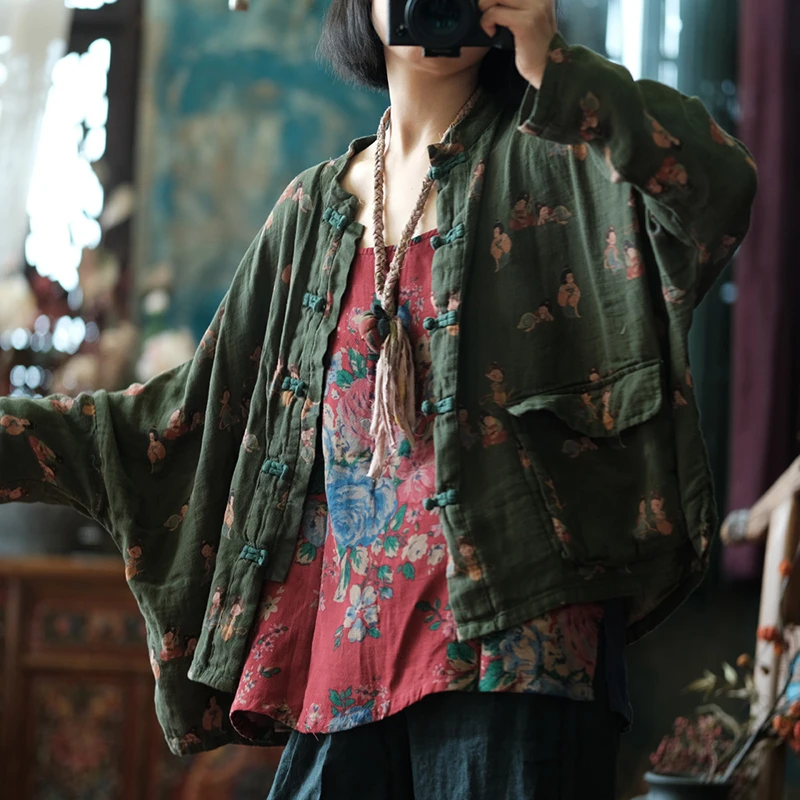
Throughout history, linen clothing has adapted to social needs, climate, and fashion trends while maintaining its distinctive qualities. Linen garments have served practical, ceremonial, and decorative purposes across civilizations, reflecting both utility and cultural significance.
- Linen Tunics and Robes: In ancient civilizations such as Egypt, Greece, and Rome, linen tunics and robes were common outerwear. Tunics provided lightweight comfort in hot climates, while robes and draped garments conveyed status and ritual significance. These early garments emphasized breathability and ease of movement, foundational traits of linen clothing.
- Linen Shirts and Undergarments: During the Middle Ages, linen shifted primarily to undergarments. Shirts, shifts, and chemises were worn beneath heavier wool garments to protect the skin and absorb sweat. Its ease of washing and durability made linen essential for hygiene and everyday wear across all social classes.
- Linen Dresses and Ceremonial Garments: Linen also played a key role in ceremonial and aristocratic fashion, particularly during the Renaissance and Early Modern periods. Fine linen dresses, elaborate collars, cuffs, and lace-trimmed garments became markers of wealth and social standing. Linen’s crispness and whiteness symbolized purity and refinement.
- Household Linens and Functional Textiles: Beyond clothing, linen served functional purposes in households, including bed linens, tablecloths, and towels. These textiles highlighted linen’s absorbency, strength, and ability to maintain cleanliness, reinforcing its reputation as a versatile and durable fabric.
Despite changes in style, garment construction, and societal use, linen’s core properties—breathability, strength, and natural elegance—have remained consistent, ensuring its continued presence from ancient times to modern minimalist fashion.
FAQs About the History of Linen Clothing
Linen’s long journey through human history raises recurring questions about its origins, cultural value, and relevance today. The answers below provide deeper historical context while remaining clear, concise, and search-focused.
When was linen clothing first used?
Archaeological evidence suggests that linen was used as early as 8000 BCE, with traces of woven flax fibers found in prehistoric settlements. Early linen production predates written history, indicating that flax cultivation and textile-making were among humanity’s earliest technological achievements. This longevity places linen among the oldest known fabrics still in use today.
Why was linen important in ancient civilizations?
Linen played a critical role due to its breathability, moisture absorption, and cleanliness, especially in hot climates such as ancient Egypt and Mesopotamia. Beyond practicality, linen carried symbolic meaning—often associated with purity, ritual cleanliness, and social order. Its use in religious garments and burial cloths reinforced its cultural and spiritual importance.
How was linen clothing made historically?
Traditional linen production was highly labor-intensive. It involved harvesting flax plants, retting the fibers, breaking and combing them, spinning yarn, and hand weaving fabric. Each step required skill and time, which contributed to linen’s value and durability. This complex process remained largely unchanged for centuries, shaping regional craftsmanship traditions across Europe and the Mediterranean.
Why did cotton replace linen?
During the Industrial Revolution, cotton overtook linen primarily because it was easier to mechanize, cheaper to process, and more adaptable to mass production. Flax fibers are stronger but harder to industrialize, limiting large-scale efficiency. As a result, cotton became the dominant everyday fabric, while linen shifted toward niche, seasonal, and premium uses.
Is linen still considered a luxury fabric?
High-quality linen is still regarded as a premium textile, particularly when produced using long-staple flax and traditional finishing techniques. Its durability, natural texture, and environmental advantages contribute to its modern luxury status. In contemporary fashion, linen often signifies craftsmanship, sustainability, and timeless style rather than excess.
Conclusion
As I step back from this long journey through time, I realize that linen never truly faded—it waited. From ancient flax fields to modern wardrobes, the history of linen clothing is a story of resilience, purpose, and quiet beauty. Linen reminds us that what endures is not excess, but intention. And perhaps that is why, even now, linen still feels like home.