As someone who has spent years studying fabrics, sustainability, and women’s fashion, I’m often asked one central question: Is linen sustainable, or does it just sound eco-friendly? Linen is everywhere—from breezy summer dresses to minimalist wardrobes promising a lower environmental footprint. But sustainability is more than a label; it’s a full story that begins in the soil and ends in your closet.
In this guide, I’ll take you through a complete environmental impact breakdown of linen fabric, exploring how it’s grown, processed, worn, and eventually returned to the earth. By the end, you’ll understand how sustainable linen truly is, where it excels, where it falls short, and how to choose genuinely eco-friendly linen clothing—especially for women who value conscious fashion.
What Is Linen Fabric? Understanding the Basics
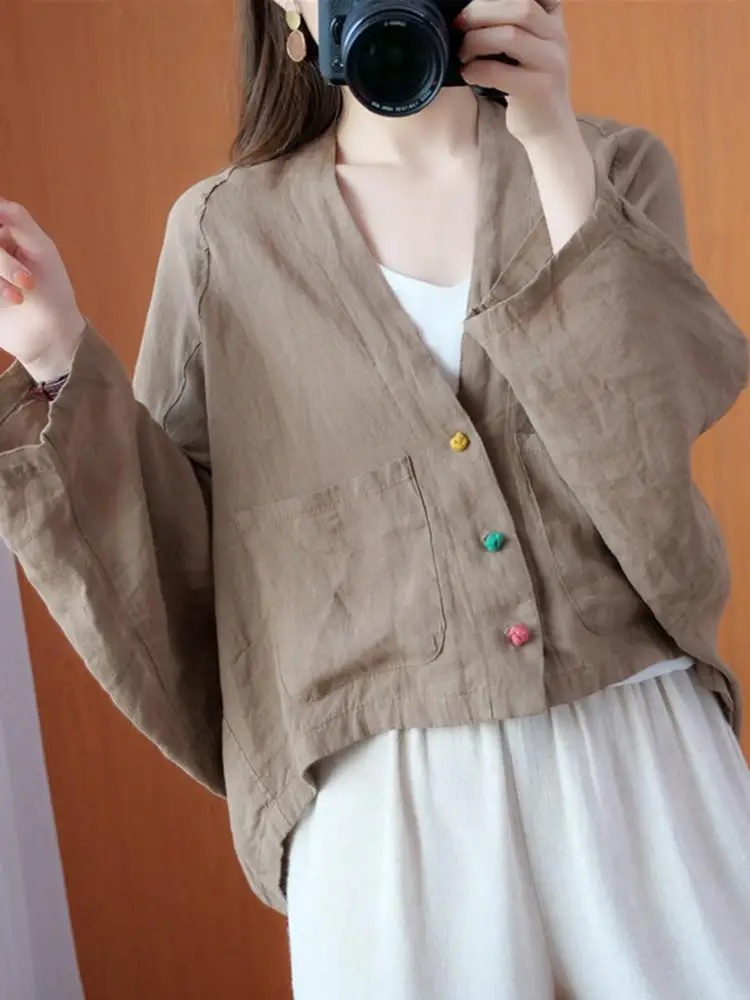
Linen is a natural textile made from the fibers of the flax plant (Linum usitatissimum). Unlike synthetic fabrics derived from fossil fuels, linen originates from a renewable agricultural resource. This alone places linen in a favorable position within the sustainability conversation.
- Made from 100% natural fibers
- Highly breathable and moisture-wicking
- Naturally thermoregulating
- Exceptionally durable and long-lasting
- Biodegradable under natural conditions
Because of these properties, linen has been used for thousands of years—long before industrial fashion existed. Its modern revival is closely tied to the rise of sustainable fashion, slow wardrobes, and eco-conscious consumers. However, to answer the question “Is linen sustainable?”, we must look far beyond its natural origin.
Where Does Linen Come From? Flax Farming & Sustainability
Linen’s sustainability story starts long before fabric production—it begins in the field. To accurately answer “Is linen sustainable?”, it’s essential to examine how flax is grown, what resources it consumes, and how it interacts with the environment at an agricultural level.
Flax as a Renewable Natural Resource
Flax is widely considered one of the most resource-efficient fiber crops used in the textile industry today. Its sustainability lies not only in how it grows, but also in how completely the plant is utilized.
- Flax fibers are used to produce linen fabric
- Flax seeds are processed into linseed oil
- Plant byproducts are repurposed for animal feed, paper, or insulation
This near zero-waste agricultural system significantly strengthens linen sustainability by minimizing discarded biomass and maximizing output from a single crop. Flax grows best in temperate climates, particularly in regions such as Western Europe, where environmental conditions allow it to thrive with minimal human intervention.
- No intensive irrigation systems required
- Low dependency on synthetic inputs
- Naturally suited to existing ecosystems
As a renewable, fast-growing crop, flax supports long-term sustainable textile production without placing excessive strain on natural resources.
Water Usage in Flax Farming
One of the strongest arguments supporting linen as a sustainable fabric is its exceptionally low water consumption compared to other textile fibers.
- Flax relies largely on natural rainfall
- It typically requires no artificial irrigation
- Water usage is significantly lower than cotton
In linen vs cotton sustainability comparisons, cotton often requires thousands of liters of water to produce one kilogram of fiber—frequently in regions already facing water scarcity. Flax, by contrast, uses only a fraction of that amount under natural growing conditions. This makes linen one of the most water-efficient natural fibers available today, an increasingly important advantage as water scarcity becomes a global environmental concern.
Pesticides, Fertilizers & Soil Health
Flax’s environmental benefits extend beyond water efficiency to its low chemical dependency and positive impact on soil systems.
- Flax is naturally resistant to many common pests
- Pesticide use is minimal or unnecessary in many regions
- Fertilizer requirements are relatively low
In addition, flax is frequently included in crop rotation systems, which helps:
- Prevent soil depletion
- Reduce disease buildup in farmland
- Support long-term soil fertility
These practices align closely with regenerative and sustainable agriculture principles, further lowering flax farming’s environmental footprint. From an agricultural perspective, flax consistently performs better than most textile crops in terms of ecosystem impact.
Thanks to its renewable nature, low water requirements, minimal chemical use, and soil-friendly farming practices, flax cultivation provides a strong sustainability foundation for linen fabric. While processing methods still matter, linen’s environmental advantages clearly begin at the farm level.
Linen Production Process: Environmental Impact Breakdown
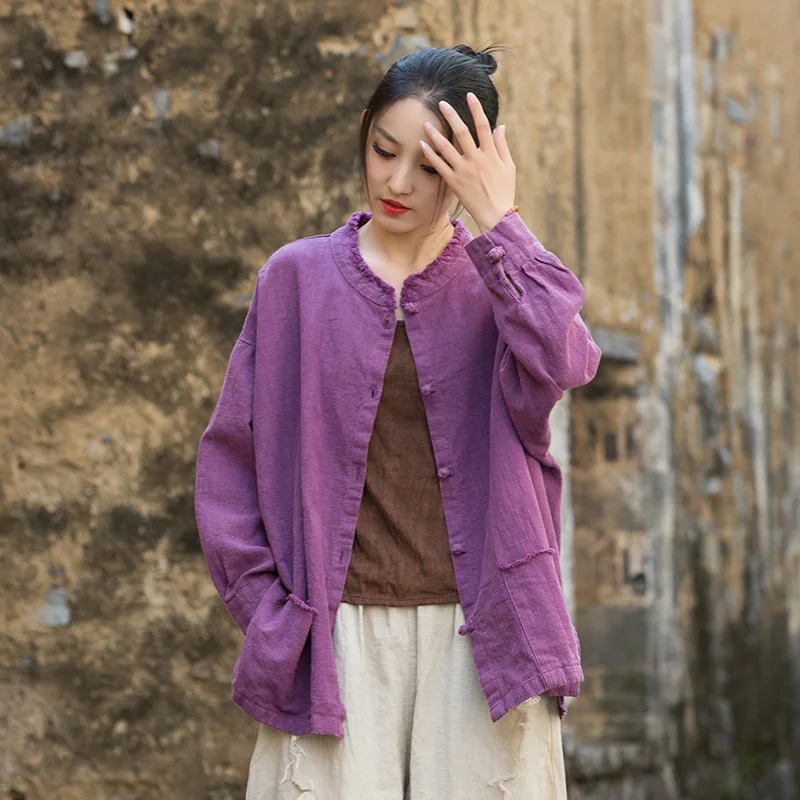
While flax farming is widely regarded as low-impact, the linen production process is where sustainability outcomes can differ considerably. Environmental impact depends heavily on how fibers are separated, processed, and finished, making production methods a critical factor in evaluating whether linen is truly eco-friendly.
Retting Methods and Their Environmental Impact
Retting is the essential process that separates flax fibers from the plant stalk. The method used during retting has a direct influence on water use, pollution risk, and overall environmental footprint. There are two primary retting methods used in linen production.
Dew Retting
- Relies on natural moisture, sunlight, and microorganisms
- Requires no added water or chemical agents
- Occurs directly in the field after harvesting
- Produces minimal wastewater and no chemical runoff
Because it works in harmony with natural environmental conditions, dew retting is widely considered the most eco-friendly retting method and is strongly associated with traditional European flax farming.
Water Retting
- Flax fibers are soaked in water to accelerate separation
- Faster and more controllable than dew retting
- Can generate polluted wastewater if unmanaged
- Requires careful treatment to prevent waterway contamination
While modern water-retting facilities often use closed-loop systems and wastewater treatment to reduce harm, environmental risks still exist, particularly in regions with weak environmental regulations. From a sustainability perspective, dew retted linen remains the preferred choice, especially for environmentally conscious consumers.
Spinning, Weaving & Finishing
After retting, flax fibers undergo spinning and weaving to become usable linen fabric. These stages require mechanical energy, but overall linen manufacturing consumes less energy than synthetic textile production, which relies on fossil-fuel-based polymer processing. However, the finishing stage is where environmental impact can increase significantly, depending on the treatments applied.
- Chemical bleaching processes can introduce toxic substances
- Synthetic dyes may increase water pollution and chemical runoff
- Fabric softening treatments often reduce biodegradability
In contrast, untreated or minimally processed linen—such as unbleached, undyed, or enzyme-finished fabrics—retains a substantially lower environmental footprint. These options preserve linen’s natural texture while minimizing chemical intervention.
Carbon Footprint of Linen Fabric
Linen is generally recognized as a low-carbon textile fiber, particularly when compared to petroleum-based fabrics such as polyester or nylon.
- Flax plants absorb CO₂ during growth through photosynthesis
- Low fertilizer and irrigation requirements reduce upstream emissions
- Energy demands during spinning and weaving remain moderate
When evaluated using life cycle assessment (LCA) models, linen consistently performs well in terms of carbon emissions, especially when produced close to its farming region and finished with minimal chemical processing.
Is Linen Eco-Friendly Compared to Other Fabrics?
Evaluating whether linen is truly eco-friendly requires placing it side by side with other commonly used textile fibers. Direct comparisons across water usage, chemical dependency, durability, and end-of-life impact provide a clearer picture of linen’s environmental performance within the broader fabric landscape.
Linen vs Cotton: Which Is More Sustainable?
When comparing linen and cotton, the sustainability gap becomes especially clear at the farming and resource-consumption stages.
| Factor | Linen | Cotton |
|---|---|---|
| Water usage | Very low | Very high |
| Pesticides | Minimal | Heavy |
| Durability | High | Moderate |
| Biodegradability | Yes | Yes |
Linen consistently outperforms conventional cotton in several critical areas. Flax cultivation requires significantly less water and far fewer chemical inputs, while linen garments typically last longer due to stronger fibers. Although both fabrics are biodegradable, linen’s lower resource intensity gives it a clear environmental advantage in most life cycle assessments.
Linen vs Synthetic Fabrics
Synthetic fabrics such as polyester, nylon, and acrylic are derived from petroleum-based resources and introduce environmental challenges throughout their entire lifecycle. One of the most significant issues is the release of microplastics during washing, which contributes to long-term ocean and freshwater pollution.
- Fully biodegradable under natural conditions
- No microplastic shedding during washing
- Derived from a renewable plant-based resource
From an environmental perspective, linen is vastly superior to synthetic fibers, particularly when considering pollution, fossil fuel dependence, and end-of-life disposal. While synthetics may offer short-term performance benefits, their long-term ecological cost is substantially higher.
Linen vs Other Natural Fibers
When compared with other natural fabrics, linen continues to rank highly, though nuances exist depending on processing methods.
- Hemp: Often considered slightly more sustainable due to even lower water and chemical needs, but remains less widely available and harder to source consistently
- Bamboo viscose: Derived from a fast-growing plant, yet typically involves chemically intensive processing that reduces overall eco-friendliness
- Viscose/rayon: Sustainability varies significantly depending on whether closed-loop or chemical-heavy systems are used
When evaluated holistically—accounting for farming, processing, durability, and disposal—linen remains one of the most balanced and reliable sustainable fabric options on the market.
Across natural and synthetic fabric comparisons, linen consistently demonstrates strong environmental performance, particularly in water efficiency, durability, and pollution reduction. While no fabric is without trade-offs, linen ranks among the most eco-friendly choices available when responsibly produced.
Biodegradability, Waste & End-of-Life Impact
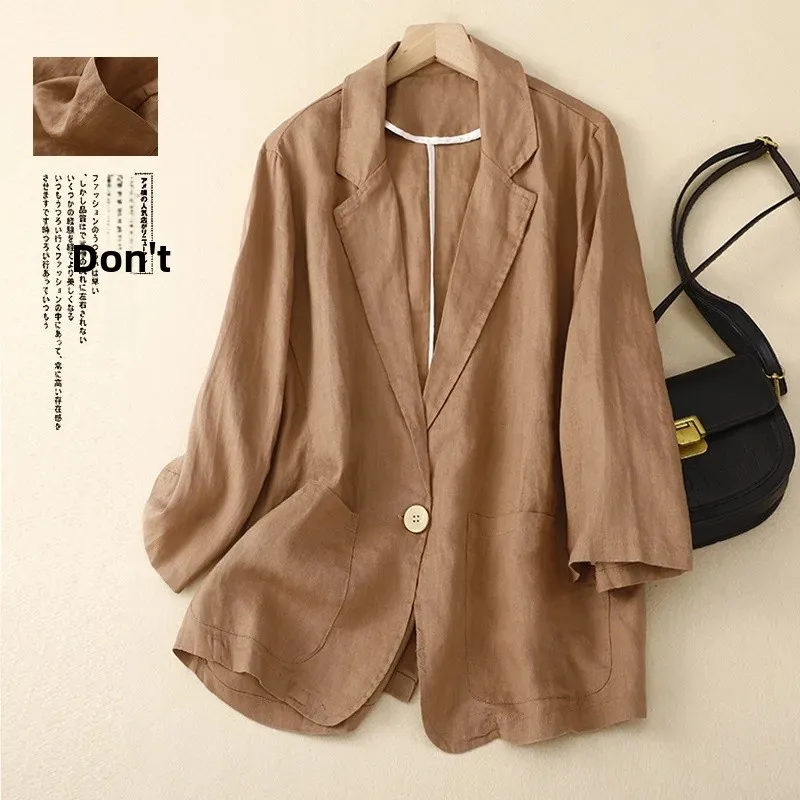
A critical yet often overlooked aspect of sustainability is what happens to a fabric after its usable life ends. Linen’s performance at the end-of-life stage plays a major role in answering the question, “Is linen sustainable?”.
Is Linen Biodegradable?
Yes. Linen is one of the few widely used textiles that naturally returns to the environment without leaving persistent waste.
- Fully biodegradable under natural conditions
- Compostable in suitable environments
- Free from plastic residues when untreated or minimally processed
Unlike synthetic fabrics, which can persist in landfills for hundreds of years, linen can decompose within months, significantly reducing long-term textile waste.
Linen and Circular Fashion
Linen aligns closely with circular fashion principles, supporting systems designed to minimize waste and extend material value.
- Linen fabric is recyclable and reusable
- Durable fibers reduce the need for frequent replacement
- Biodegradability allows safe reintegration into the environment
These qualities make linen particularly well-suited for slow fashion models, where longevity, responsible consumption, and environmental regeneration are prioritized.
Thanks to its biodegradability, recyclability, and durability, linen performs exceptionally well at the end-of-life stage. Compared to both synthetic and many natural alternatives, linen contributes less to long-term waste and better supports circular fashion systems.
Durability & Longevity: A Key Sustainability Advantage
Sustainability is not determined solely by how a fabric is produced, but also by how long it remains in use. Durability directly affects consumption patterns, waste generation, and a garment’s total environmental footprint over time. Linen is widely recognized as one of the most durable natural fabrics used in apparel:
- Linen fibers naturally strengthen when wet, increasing resistance during washing
- High tensile strength makes linen resistant to tearing and abrasion
- Fabric structure softens and improves with age rather than breaking down
Because linen garments maintain structural integrity for many years, they support longer wear cycles and slower replacement rates. A longer garment lifespan leads to measurable sustainability benefits:
- Fewer repeat purchases over time
- Reduced textile waste entering landfills
- Lower cumulative environmental impact per wear
This long-term performance is one of linen’s most underrated sustainability advantages, often overlooked in favor of short-term production metrics. By extending garment lifespan and reducing replacement frequency, linen contributes meaningfully to waste reduction and lower lifetime environmental impact.
Is All Linen Sustainable? Hidden Downsides to Consider
While linen offers strong environmental advantages, it is not automatically sustainable in every form. Processing methods, sourcing practices, and marketing claims can significantly influence linen’s true ecological footprint. Potential downsides include:
- Chemical-intensive finishing processes that increase water and toxin output
- Long-distance transportation that adds carbon emissions
- Greenwashing through vague or unverified “eco” labeling
- Linen blended with synthetic fibers, reducing biodegradability and recyclability
Without transparency in production and sourcing, linen can lose many of its natural sustainability benefits. Recognizing these limitations is essential for evaluating whether a linen product genuinely aligns with eco-friendly standards. Linen’s sustainability depends on responsible processing, honest labeling, and thoughtful material choices—not just the fiber itself.
Certifications That Indicate Sustainable Linen
Third-party certifications play a critical role in verifying sustainable and ethical linen production. They help distinguish genuinely responsible products from unsubstantiated claims. Look for recognized certifications such as:
- OEKO-TEX® – confirms fabrics are free from harmful substances
- European Flax® – ensures flax is grown sustainably in Europe
- Masters of Linen® – guarantees traceability from field to fabric
- GOTS (for organic linen) – certifies organic farming and responsible processing
These standards provide assurance across environmental impact, chemical safety, and supply chain transparency. Verified certifications offer reliable indicators of sustainable linen and help reduce the risk of greenwashing.
Ethical & Social Sustainability in Linen Production
Sustainability extends beyond environmental factors to include human and social responsibility throughout the supply chain. Ethical linen production prioritizes:
- Fair labor conditions for agricultural and factory workers
- Safe and regulated working environments
- Transparent and traceable supply chains
European flax production often ranks highly in social sustainability due to stricter labor regulations and traceability requirements. In contrast, some regions may require closer scrutiny to ensure ethical standards are consistently met. Responsible linen production integrates environmental care with ethical labor practices, reinforcing sustainability across both people and planet.
How to Choose Truly Sustainable Linen Clothing?
Choosing sustainable linen clothing requires looking beyond surface-level claims and focusing on factors that directly influence environmental impact, longevity, and transparency across the supply chain. When shopping for linen, prioritize the following:
- Check fabric origin to understand where the flax was grown and processed, as regional standards significantly affect sustainability outcomes
- Prefer certified linen that meets recognized environmental and ethical benchmarks, reducing the risk of misleading “eco” claims
- Choose undyed or low-impact dyes, which minimize chemical use, water pollution, and energy consumption during finishing
- Invest in timeless designs that remain wearable across seasons and trends, extending the garment’s useful life
High-quality linen garments designed for long-term wear deliver substantially lower environmental impact than fast-fashion alternatives that prioritize short-term use. Thoughtful material selection, verified sourcing, and long-term design value are key indicators of genuinely sustainable linen clothing.
How to Care for Linen Sustainably?
Sustainability does not end at purchase; care practices play a critical role in extending garment lifespan and reducing cumulative environmental impact over time. Sustainable linen care focuses on minimizing resource use while preserving fabric integrity:
- Wash in cold water to reduce energy consumption and prevent fiber stress
- Air dry when possible, as linen dries quickly and benefits from reduced heat exposure
- Avoid harsh detergents that can weaken fibers and introduce unnecessary chemicals into wastewater
- Repair instead of replace to maximize garment lifespan and delay disposal
Proper care can significantly lower a linen garment’s lifetime environmental footprint, reinforcing linen’s role as a durable and responsible fabric choice. Low-impact washing, gentle maintenance, and repair-focused habits help preserve linen garments while reducing long-term environmental costs.
FAQs About Linen Sustainability
These frequently asked questions address the most common concerns surrounding linen’s environmental impact, helping clarify where linen excels and where responsible choices still matter.
Is linen truly sustainable?
Yes, linen is widely considered a sustainable fabric, particularly when it is certified and minimally processed. Its sustainability stems from low water requirements during flax farming, limited need for pesticides, and strong biodegradability. However, production methods and finishing processes play a critical role in determining overall environmental impact.
Is linen better for the environment than cotton?
In most cases, yes. Linen generally outperforms conventional cotton in water efficiency, chemical use, and overall resource consumption. While both fabrics are biodegradable, flax cultivation typically places less strain on ecosystems, making linen a more environmentally responsible option in many life cycle assessments.
Is organic linen more eco-friendly?
Yes. Organic linen avoids the use of synthetic fertilizers, pesticides, and harmful processing chemicals, further reducing environmental and health risks. When combined with low-impact finishing and ethical production standards, organic linen represents one of the most eco-friendly textile options available.
Does linen harm the environment?
Linen itself is not inherently harmful, but environmental impact can increase when linen is chemically treated, heavily dyed, or processed without proper wastewater management. Irresponsible production practices, rather than the fiber itself, are the primary source of environmental concern.
Is linen biodegradable and recyclable?
Yes. Linen is fully biodegradable and recyclable when left untreated or minimally processed. Unlike synthetic fabrics, it breaks down naturally without releasing microplastics, making it a strong candidate for circular and zero-waste fashion systems.
Conclusion
After examining linen from farm to fabric to wardrobe, my answer is clear: linen is one of the most sustainable textiles available today—when chosen thoughtfully. It’s not perfect, but few fabrics come this close to balancing environmental responsibility, longevity, and timeless beauty. For women seeking clothing that respects both the planet and personal style, linen offers something rare: sustainability that feels effortless, natural, and enduring. And that, to me, is where true fashion sustainability begins