Hi, I’m Linaé, and if you’ve ever found yourself torn between sustainable fashion options, you’re not alone. Today, eco-conscious shoppers are increasingly looking for Linen & Hemp Fabric for Women—two natural, plant-based fabrics that are as stylish as they are environmentally friendly. Choosing clothing made from natural fibers like linen and hemp not only helps reduce your carbon footprint but also ensures comfort, durability, and timeless fashion appeal. In this comprehensive guide, we’ll explore the differences, similarities, styling tips, care instructions, and environmental impact of these two fabrics, so you can make informed, sustainable choices for your wardrobe.
By the end of this guide, you’ll have all the knowledge you need to confidently select garments made from organic linen, organic hemp, or other eco-friendly textiles, whether for casual wear, work, or special occasions.
Understanding Linen and Hemp Fabrics
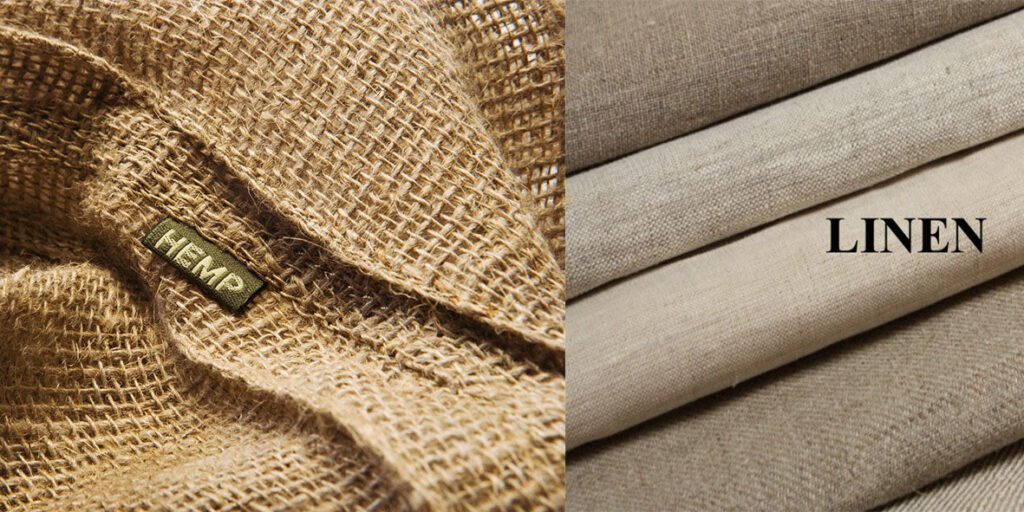
Exploring the unique characteristics of linen and hemp fabrics provides a foundation for making informed, eco-conscious clothing choices. Both are natural, sustainable fibers, yet each brings distinct qualities in comfort, durability, and environmental impact.
What is Linen?
Linen is a plant-based fabric derived from the flax plant, celebrated for its lightweight texture, exceptional breathability, and long-lasting durability. Its structured fibers create natural channels that allow air to circulate freely, keeping the body cool and comfortable in warm or humid conditions. Over centuries, linen has remained a wardrobe staple, valued for its elegant drape and soft feel against the skin.
- Soft and comfortable: Gentle on sensitive skin, offering immediate comfort without breaking in.
- Highly breathable and moisture-wicking: Helps regulate body temperature, making it ideal for summer wear.
- Durable and long-lasting: Properly cared-for linen can maintain its quality for years, resisting pilling or tearing.
- Eco-friendly and biodegradable: Especially when sourced organically, linen supports sustainable and low-impact fashion.
Linen combines timeless elegance with practical comfort, making it an essential choice for both sustainable and stylish wardrobes.
What is Hemp?
Hemp is a highly sustainable fabric derived from the hemp plant, prized for its strength, resilience, and minimal environmental footprint. Unlike many conventional textiles, hemp grows rapidly, requires very little water, and typically thrives without pesticides, positioning it as a low-impact, eco-conscious material. Its naturally coarse texture softens over time, developing a comfortable hand feel while maintaining structural integrity.
- Exceptional durability: Stronger than many other natural fibers, suitable for long-lasting garments.
- Breathable and moisture-wicking: Keeps the wearer cool and dry, making it adaptable to various climates.
- Softens over time: Initial stiffness gives way to a more supple and comfortable feel after repeated wear and washing.
- Environmentally responsible: Biodegradable and renewable, hemp supports sustainable fashion practices.
Hemp offers a powerful combination of longevity, versatility, and eco-conscious benefits, making it an excellent investment for sustainable wardrobes.
Similarities Between Linen and Hemp
While derived from different plants, linen and hemp share numerous qualities that make them standout choices for eco-conscious clothing. Both are natural fibers processed with minimal chemicals, offering breathability, hypoallergenic properties, and the ability to regulate temperature efficiently. These fabrics also align with sustainability goals, being fully biodegradable and environmentally responsible.
Both linen and hemp provide breathable, durable, and sustainable alternatives to conventional fabrics, supporting a wardrobe that is both stylish and environmentally mindful.
Key Differences Between Linen and Hemp
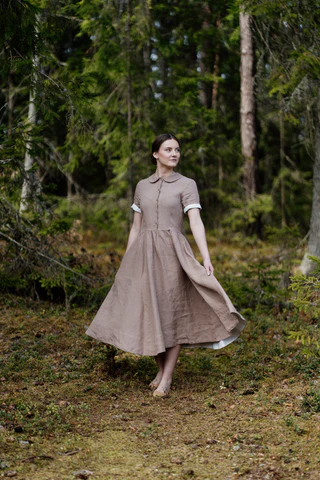
Understanding the subtle but impactful differences between linen and hemp fabrics helps in making informed decisions for both comfort and sustainability. While both are natural fibers, they vary in texture, durability, breathability, and environmental footprint.
Texture & Comfort
Texture and comfort are often the first factors noticed when choosing fabrics. Linen is renowned for its smooth, soft hand-feel that drapes effortlessly, creating garments that feel light and airy against the skin. Its natural structure allows for flexibility, making it a favorite for summer dresses, lightweight tops, and flowy blouses.
In contrast, hemp has a slightly coarser texture at first touch, giving it a firm structure suitable for jackets, trousers, and structured skirts. However, hemp softens progressively with each wash, improving comfort while maintaining its durable quality. This combination of initial firmness and long-term softness makes hemp ideal for garments that require both structure and longevity.
Linen offers immediate softness and elegant drape, while hemp provides structured comfort that enhances over time, catering to different style and functional preferences.
Durability & Longevity
Durability and longevity are critical considerations for eco-conscious shoppers seeking long-lasting, investment pieces.
- Hemp is among the strongest natural fibers available. Its robust structure makes it highly resistant to wear, stretching, and tearing. Garments made from hemp maintain their shape and integrity for years, making them ideal for sustainable wardrobes focused on slow fashion.
- Linen, while durable, is slightly more delicate and prone to wrinkling. With proper care—including gentle washing, careful ironing, and avoiding harsh chemicals—linen garments can also last for many years and develop a naturally softened, lived-in feel.
Hemp excels in strength and long-term durability, while linen balances comfort with reasonable durability, requiring mindful care for extended wear.
Breathability & Moisture Management
The ability to regulate temperature and manage moisture is a defining feature of natural fibers.
- Linen is extremely breathable, allowing air to circulate freely through its fibers. This property keeps the body cool and comfortable, particularly in hot and humid climates.
- Hemp also provides excellent moisture-wicking properties. It absorbs moisture from the skin, releases it efficiently, and helps maintain an optimal temperature, keeping the wearer dry and comfortable across different environments.
Both linen and hemp offer superior breathability and moisture management, with linen providing exceptional airflow and hemp combining moisture control with structural strength.
Environmental Impact
For eco-conscious shoppers, the environmental footprint of fabrics is as important as their physical properties.
- Water Usage: Hemp requires significantly less water to grow compared to flax, making it a more water-efficient crop.
- Chemical Inputs: While organic sourcing reduces chemical exposure for both fabrics, hemp is naturally pest-resistant, requiring fewer pesticides and fertilizers than flax.
- Sustainability: Hemp grows faster, sequesters carbon efficiently, and contributes positively to soil health. Linen, although sustainable, has a slightly higher environmental cost due to longer growth cycles and more intensive processing.
Hemp has a slight edge in environmental sustainability due to lower water use, minimal chemical requirements, and rapid growth, while linen remains an eco-friendly option when sourced responsibly.
Styling Linen and Hemp Fabrics for Women
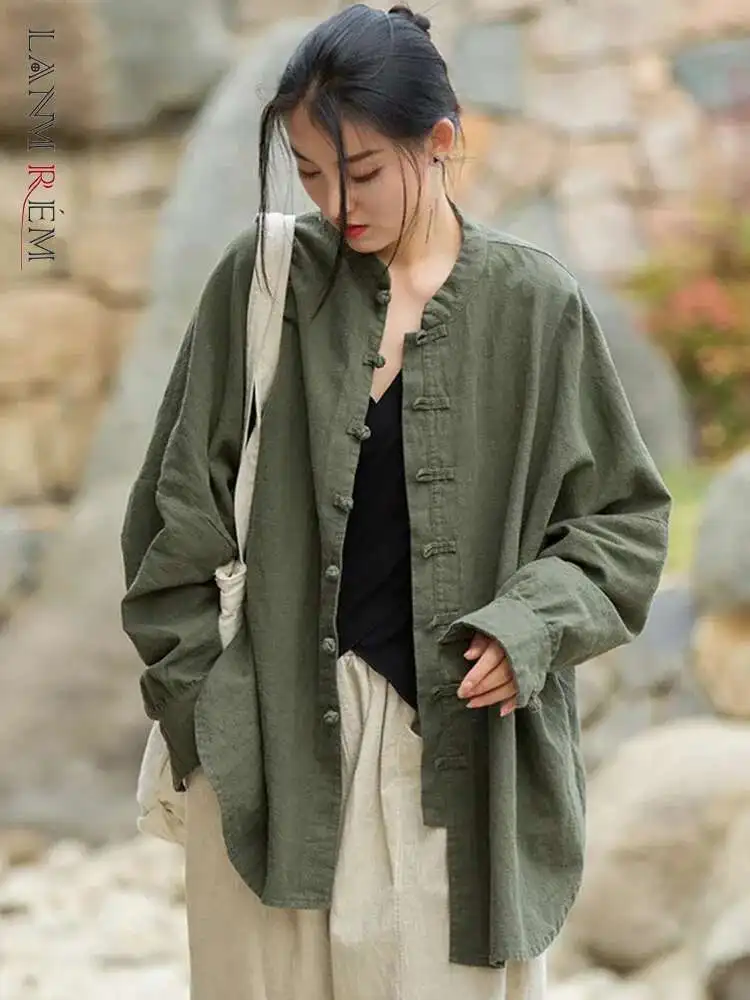
Styling linen and hemp fabrics requires understanding their unique textures, drape, and comfort. Both fabrics offer versatility that can adapt to casual, professional, and seasonal outfits while maintaining an eco-conscious approach to fashion.
Everyday Outfits
For daily wear, linen and hemp provide practical comfort combined with effortless style.
- Linen Dresses & Tops: Lightweight linen blouses, tunics, and flowy dresses are ideal for hot weather due to their breathability and natural cooling properties. Linen pairs seamlessly with casual skirts, tailored pants, or denim, creating versatile looks for errands, casual lunches, or weekend outings. Neutral tones and soft pastels enhance the minimalist aesthetic, making linen a staple for eco-friendly, effortless wardrobes.
- Hemp Tops & Pants: Hemp fabrics excel in structured casual garments. Wide-leg hemp trousers, relaxed-fit shirts, and utility-style tops provide a chic, polished look while retaining comfort. Over time, the natural softening of hemp enhances wearability without compromising the durable, sustainable quality of the fabric.
Both linen and hemp fabrics can create versatile, comfortable, and stylish everyday outfits, supporting a sustainable and functional wardrobe.
Work & Formal Wear
Natural fibers like linen and hemp are increasingly suitable for professional and formal settings, providing a polished appearance without sacrificing sustainability.
- Linen: Tailored linen blouses, pencil skirts, and lightweight blazers offer professional elegance. Linen’s natural drape and crisp texture convey sophistication while remaining breathable, perfect for long office hours or client meetings. Layering with eco-friendly cardigans or structured accessories enhances both style and comfort.
- Hemp: Structured hemp skirts, tailored blazers, and button-up shirts create a refined and ethical professional wardrobe. Hemp maintains shape throughout the day, resists wrinkling, and conveys a polished aesthetic. Its sustainable credentials make it a choice aligned with slow fashion principles, appealing to conscious professionals.
Linen and hemp provide elegant, eco-conscious options for work and formal wear, balancing professional style with sustainable values.
Seasonal Styling Tips
Adapting linen and hemp garments to different seasons maximizes their versatility.
- Summer: Linen dresses, blouses, and lightweight hemp tops are perfect for warm climates. Their breathable and moisture-wicking qualities ensure comfort while maintaining style. Pair with sandals or minimalist sneakers for effortless summer outfits.
- Spring/Autumn: Layering is key for transitional seasons. Linen and hemp garments can be paired with cardigans, jackets, or scarves to create dimension and warmth. Neutral palettes and textured layers enhance aesthetic appeal while remaining eco-conscious and functional.
Linen and hemp fabrics adapt seamlessly across seasons, offering breathable, stylish, and layered outfit options that maintain both comfort and sustainability.
Caring for Linen and Hemp Fabrics
Proper care is essential to maintain the durability, appearance, and eco-friendly benefits of linen and hemp fabrics. Following simple yet mindful care routines ensures that garments remain soft, breathable, and long-lasting while preserving their sustainable qualities.
Linen Care Tips
Linen’s natural fibers are strong but slightly delicate, requiring attention to maintain their soft texture and elegant drape.
- Gentle Washing: Machine wash linen garments on a gentle cycle with mild, eco-friendly detergent to protect the fibers. Avoid harsh chemicals that can break down the plant-based structure.
- Ironing and Wrinkle Management: Linen wrinkles naturally, which adds character, but ironing while slightly damp helps smooth creases without damaging fibers.
- Avoid Bleach: Chlorine bleach weakens linen fibers and can alter the natural color. Opt for natural stain removers or oxygen-based alternatives when necessary.
- Storage: Store linen garments in breathable fabric bags or on wooden hangers to avoid moisture buildup and maintain shape.
With gentle washing, mindful ironing, and proper storage, linen garments can retain their softness, shape, and eco-conscious appeal for years.
Hemp Care Tips
Hemp’s robust fibers make it relatively low-maintenance, but understanding its characteristics helps extend the life of garments while preserving comfort.
- Washing: Hand wash or use a gentle machine cycle with mild detergent. Avoid high heat to prevent shrinkage and preserve fiber integrity.
- Softening Over Time: Hemp naturally softens with repeated washes, enhancing comfort without losing structural strength.
- Minimal Ironing Required: Hemp maintains its shape and resists wrinkles better than linen, so frequent ironing is usually unnecessary.
- Drying: Air-dry hemp garments flat or hang them to retain shape and prevent fiber stress. Avoid prolonged exposure to direct sunlight which may fade colors.
Hemp garments offer durable, low-maintenance wear, and with simple care routines, they remain soft, structured, and sustainably stylish for long-term use.
Choosing Between Linen and Hemp
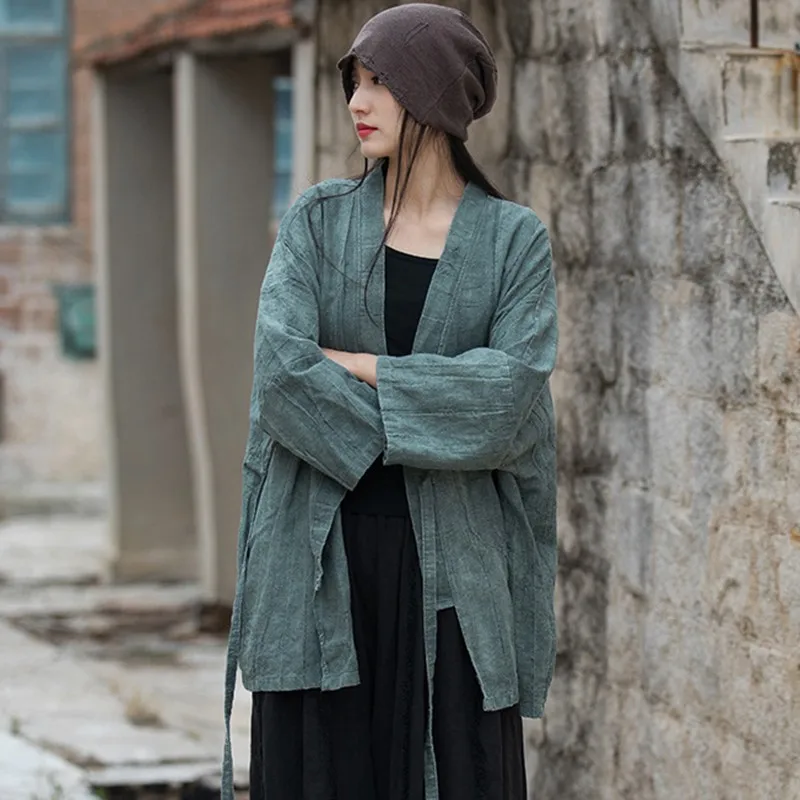
Selecting between linen and hemp fabrics for women involves more than texture or style—it requires evaluating comfort, durability, climate suitability, and environmental impact. Understanding these factors ensures the wardrobe remains both functional and sustainable.
Factors to Consider
When deciding on linen or hemp, several practical and environmental aspects should guide the choice:
- Comfort: Linen provides immediate softness and a smooth, breathable feel, making it ideal for garments worn directly against the skin. Hemp, while slightly coarser initially, softens naturally with repeated washing, offering long-term comfort and a structured feel suitable for tailored pieces.
- Climate Adaptability: Linen is highly breathable and excels in hot or humid conditions, keeping the wearer cool. Hemp is versatile across climates, providing both warmth and moisture-wicking properties, making it suitable for year-round wear.
- Durability & Longevity: Hemp fibers are robust and resilient, perfect for investment pieces that last for years. Linen is durable but requires mindful care to maintain shape and reduce wrinkling.
- Environmental Considerations: Both fabrics are sustainable, biodegradable, and eco-friendly. Hemp grows faster, uses less water, and requires minimal chemical inputs, giving it a slight edge in environmental impact.
Assessing comfort, climate suitability, durability, and sustainability helps determine which fabric aligns best with personal style, functionality, and eco-conscious priorities.
Eco-Conscious Decision Making
The choice between linen and hemp is also guided by broader ethical and environmental values:
- Prioritize Organic Fibers: Opt for organic linen or hemp to minimize exposure to pesticides and chemical residues, supporting healthier production methods.
- Select Ethical and Slow Fashion Brands: Focus on brands committed to transparency, fair labor practices, and sustainable production to ensure clothing purchases align with eco-conscious principles.
- Curate a Minimalist Wardrobe: Combining high-quality linen and hemp garments reduces overconsumption while providing versatile, timeless outfits suitable for multiple occasions.
Choosing linen or hemp is not just about aesthetics—it reflects a commitment to sustainability, ethical practices, and mindful wardrobe building. Proper selection ensures both style and responsibility coexist in every garment choice.
FAQs About Linen & Hemp Fabric for Women
For shoppers exploring linen and hemp fabrics, common questions often revolve around daily wear, seasonal suitability, skin sensitivity, and care practices. Providing clear answers helps make informed, eco-conscious wardrobe choices.
Can linen or hemp be worn daily?
Both linen and hemp are highly versatile, offering comfort and durability suitable for everyday use. Linen provides immediate softness and a breathable feel, ideal for lightweight tops and casual dresses. Hemp, while initially firmer, softens naturally with repeated wear and washing, making it perfect for structured shirts, trousers, and long-term wardrobe staples.
Which fabric is better for hot weather?
Linen is exceptionally breathable, allowing air to circulate freely and keeping the body cool in hot or humid conditions. Hemp also performs well in warm climates due to its moisture-wicking and temperature-regulating properties, although its slightly thicker texture provides added versatility across seasons. Choosing between the two depends on the balance of lightweight softness versus structural durability desired.
Are linen and hemp hypoallergenic?
Yes, both fabrics are naturally hypoallergenic and gentle on sensitive skin. Minimal chemical processing and organic sourcing reduce irritation risks, making them suitable for individuals with allergies or delicate skin. Their natural breathability further enhances skin comfort throughout the day.
How do I care for hemp and linen garments?
Linen and hemp require mindful care to maintain longevity:
- Linen: Wash on gentle cycles with mild detergent, iron while slightly damp to reduce wrinkles, and avoid bleach to preserve fiber quality.
- Hemp: Hand wash or use a gentle cycle, air dry to maintain shape, and allow the fabric to soften naturally over time. Both fabrics benefit from storage in breathable conditions to prevent fiber stress and preserve eco-friendly integrity.
Conclusion
As Linaé, I hope this guide helps you navigate the world of Linen & Hemp Fabric for Women with confidence. Both fabrics offer eco-friendly, sustainable, and stylish options for your wardrobe. Linen provides a soft, breathable feel perfect for summer, while hemp offers strength, durability, and eco-conscious benefits that make it a long-term investment.
Choosing garments made from organic linen, organic hemp, or other plant-based fabrics ensures you are making ethical, low-impact decisions that support a more sustainable fashion industry. Whether you’re looking for everyday outfits, workwear, or seasonal layering pieces, linen and hemp provide versatile solutions that combine comfort, durability, and eco-conscious style. By integrating these fabrics into your wardrobe, you not only look chic and stylish but also contribute to a greener, more sustainable future—a choice any eco-conscious shopper would be proud to make.