Hi, I’m Linaé, and if you’ve ever found yourself standing in front of your wardrobe wondering whether to reach for a linen blouse or a polyester top, you’re not alone. Choosing the right fabric for daily wear can make a big difference—not just in comfort, but in how confident and stylish you feel throughout the day. Fabrics affect breathability, texture, and even how your clothes drape on your body, so picking the right material is about more than just looks. With so many options available, it can be tricky to know which fabrics are best for your everyday outfits, especially when balancing practicality with style.
In this guide, we’ll dive into the debate of “Linen vs Polyester for women” and uncover why natural fibers like linen often outshine synthetic options for daily wear. From breathable, moisture-wicking fabrics to sustainable and eco-friendly choices, we’ll explore the benefits and drawbacks of each fabric so you can make informed wardrobe decisions. By the end, you’ll understand not only which fabrics keep you comfortable and stylish but also which ones are better for your skin, your health, and the environment.
Understanding Linen and Polyester
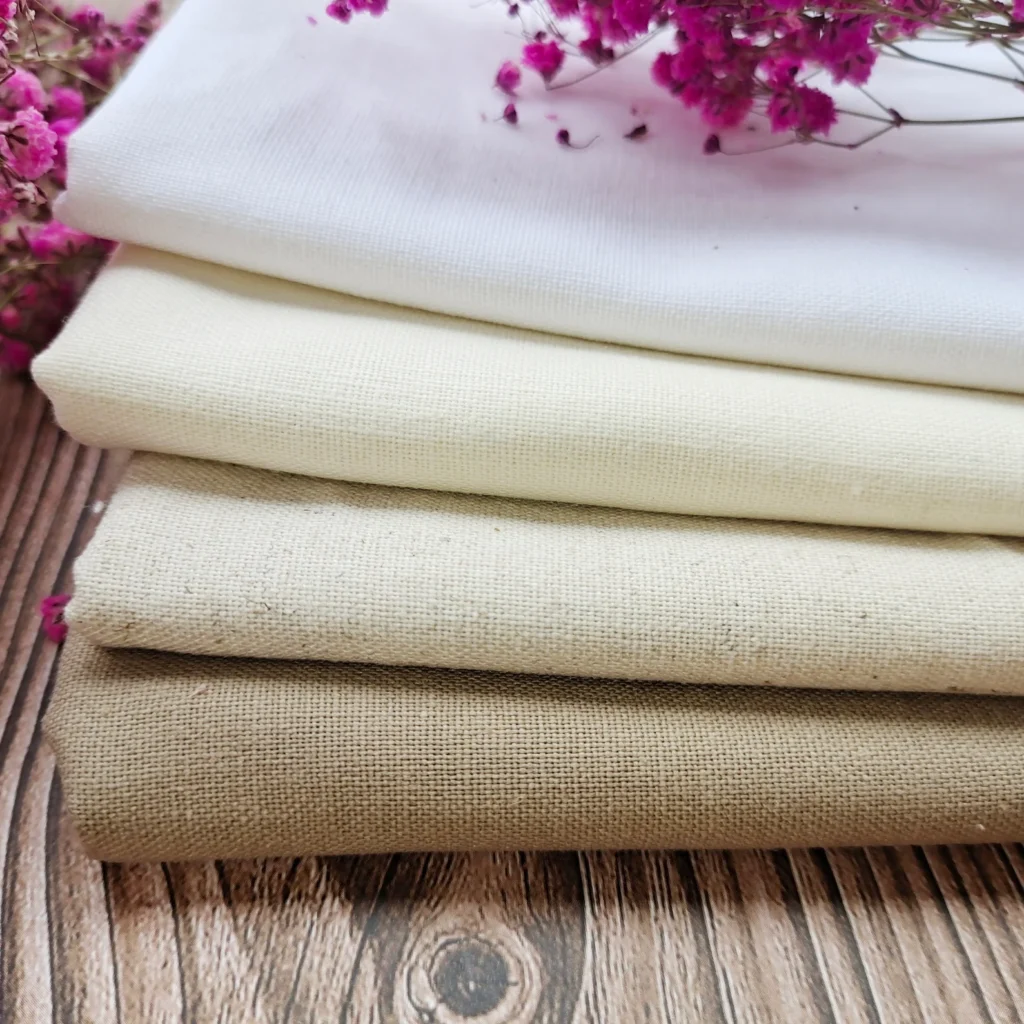
Choosing the right fabric for daily wear requires a clear understanding of its properties. Linen and polyester differ significantly in origin, texture, and functionality, which directly affects comfort, style, and garment longevity. Knowing these differences is essential to make informed wardrobe choices.
What is Linen?
Linen is a premium natural fiber obtained from the stalks of the flax plant. Revered for centuries for its luxurious feel and durability, linen remains a top choice for clothing designed to be breathable, comfortable, and elegant.
- Breathability: Linen allows maximum airflow, keeping the body cool even in hot and humid conditions. This makes it ideal for summer dresses, casual tops, and office wear where comfort throughout the day is essential.
- Moisture-wicking: The fabric efficiently absorbs sweat and dries quickly, reducing discomfort and keeping the wearer feeling fresh.
- Texture and drape: Linen has a distinctive slightly crisp texture and a natural drape that adds effortless sophistication to everyday outfits, creating a relaxed yet polished appearance.
- Eco-friendly and sustainable: Linen is biodegradable and requires fewer pesticides and chemicals than most fabrics, making it an environmentally conscious choice for long-term wear.
- Skin-friendly: Gentle on sensitive skin and hypoallergenic, linen reduces irritation and is ideal for individuals prone to allergies or sensitive reactions.
Linen combines comfort, elegance, and sustainability, making it a versatile and desirable fabric for women’s daily wear.
What is Polyester?
Polyester is a synthetic fiber derived from petroleum-based polymers. It has gained popularity for its durability, affordability, and low-maintenance properties, making it one of the most widely used fabrics in modern fashion.
- Durability: Resistant to tearing, stretching, and shrinking, polyester is highly suitable for garments that need to withstand frequent use or heavy wear.
- Wrinkle resistance: The fabric retains its shape and smooth appearance with minimal ironing, making it convenient for low-maintenance outfits.
- Low breathability: Unlike natural fibers, polyester can trap heat and moisture, sometimes leading to discomfort, especially in warm or humid environments.
- Chemical production: Being non-biodegradable and heavily processed with chemicals, polyester has a larger environmental footprint and may be less suitable for sensitive skin.
Polyester excels in durability and easy care but falls short in breathability, comfort, and environmental sustainability. It is often chosen for budget-friendly garments or structured clothing rather than daily comfort wear.
Comfort and Daily Wearability
Comfort is the cornerstone of women’s daily wear. Fabrics not only affect how clothes feel on the skin but also influence body temperature, mobility, and overall confidence throughout the day. Comparing linen vs polyester highlights significant differences in how each performs for everyday use.
Breathability and Temperature Regulation
One of linen’s most celebrated qualities is its exceptional breathability. The natural fiber allows air to circulate freely, creating a cooling effect that is especially beneficial in hot and humid climates. Its moisture-wicking ability draws sweat away from the skin and dries quickly, keeping the wearer comfortable and fresh even during long hours of activity. This makes linen ideal for summer dresses, casual tops, and office-appropriate blouses, where comfort and style need to coexist.
Polyester, in contrast, is inherently less breathable due to its synthetic structure. While it provides durability and holds its shape well, it can trap heat and moisture, causing discomfort during extended wear in warm conditions. This limitation makes polyester less suitable for daily summer wear or high-activity scenarios where temperature regulation and airflow are critical.
Skin-Friendliness
Natural fibers like linen are inherently gentle on the skin. They reduce friction and irritation, making them suitable for sensitive or allergy-prone individuals. Linen’s hypoallergenic properties also minimize the risk of rashes or reactions caused by prolonged contact with the fabric.
Polyester, however, can cause discomfort for some people, particularly those with sensitive skin. The synthetic nature of the fiber and residual chemicals from production processes may contribute to irritation, itching, or heat rash, especially during warm weather.
Everyday Versatility
Linen’s natural texture, lightweight feel, and breathable qualities make it highly versatile for women’s daily wear. It transitions seamlessly across casual outfits, workwear, and summer tops, adapting well to layered or minimalistic styles. Its lightweight and airy structure allows for ease of movement, making it a practical and stylish option for a variety of occasions.
Polyester, while durable and low-maintenance, has limitations in long-term comfort and versatility. It is suitable for casual or low-intensity activities but may not perform as well for extended daily wear, especially in climates requiring breathability. Its use is often preferred in structured garments, sportswear, or budget-friendly basics.
Linen offers unmatched versatility, comfort, and style for everyday outfits, while polyester serves as a functional choice for specific, low-comfort scenarios.
Style and Appearance of Linen Vs Polyester For Women
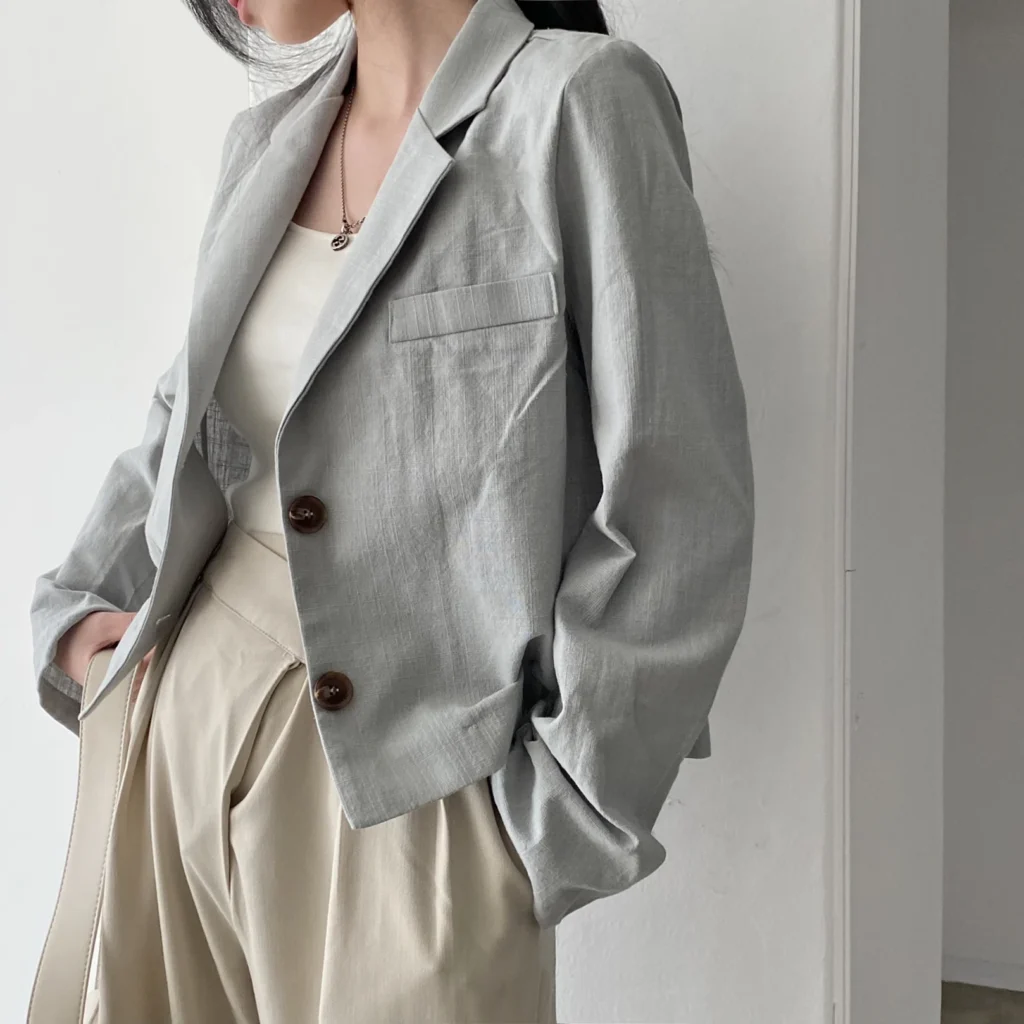
Fabric choice shapes not only comfort but also the overall aesthetic of an outfit. The way a garment drapes, holds its shape, and interacts with movement can dramatically influence style perception and outfit versatility. Understanding these differences is key for curating a wardrobe that balances elegance, practicality, and trend-conscious choices.
Draping and Fit
Linen is celebrated for its natural drape, which provides a relaxed yet refined silhouette. Its slightly textured surface and moderate stiffness allow garments to maintain structure while still moving fluidly with the body. This quality enhances the appeal of blouses, summer tops, and casual dresses, offering an effortless, sophisticated look without appearing overly formal.
Polyester, in comparison, tends to be stiffer and less forgiving in its drape. While it is excellent at holding shapes like pleats or tailored designs, it can lack the subtle elegance of natural fibers. Its synthetic texture may appear flat or rigid in certain lighting, limiting its ability to create soft, flowing lines that enhance the body’s natural shape.
Wrinkle-Prone vs Crisp Look
One of linen’s most defining features is its propensity to wrinkle, which adds depth and texture to the garment. Rather than being a flaw, this characteristic creates a casual chic aesthetic, giving outfits an approachable, lived-in elegance. Linen wrinkles contribute to a natural, effortless style that complements both minimalistic and layered wardrobes.
Polyester, by contrast, is highly resistant to wrinkles, retaining a smooth, polished appearance throughout the day. While practical for maintenance, this uniform smoothness can sometimes result in a less natural or artificial look, especially when compared with the tactile texture of linen.
Outfit Versatility
Linen’s combination of texture, drape, and breathability makes it highly versatile for various everyday outfits. It works seamlessly for casual dresses, tailored blouses, summer tops, and office wear, effectively blending comfort with style. The fabric adapts well to layering and different color palettes, allowing for effortless styling across seasons.
Polyester, while durable and low-maintenance, is generally more limited in versatility. It performs well for sportswear, budget-friendly basics, or garments requiring structured shapes, but it is less suitable for creating relaxed, stylish, and naturally flowing daily outfits.
Durability and Maintenance

Beyond comfort and style, the longevity and upkeep of clothing are critical factors for making smart wardrobe investments. Fabrics vary in how they respond to frequent wear, washing, and environmental exposure, which directly affects both their lifespan and appearance. Understanding these differences ensures garments remain functional, stylish, and cost-effective over time.
- Longevity: Linen is remarkably durable, and contrary to common misconceptions, it becomes stronger with repeated washes. Its natural fibers maintain structural integrity, resisting tearing and wearing thin, which makes linen garments a reliable choice for long-term use. Over time, linen develops a soft, worn-in texture that enhances its charm without compromising durability. Polyester, while inherently resistant to tearing, stretching, and abrasion, can gradually degrade under repeated washing and exposure to heat or sunlight. Though polyester retains its shape longer than many natural fabrics, prolonged use may result in slight loss of texture, sheen, or elasticity, particularly in garments subjected to heavy wear.
- Care Requirements: Caring for linen requires attention to gentle washing and proper drying techniques to preserve its texture and prevent excessive wrinkles. While ironing may be necessary to maintain a crisp, polished look, linen’s natural fibers respond well to careful handling, ensuring garments remain wearable for years. Polyester excels in low-maintenance care. It is machine washable, dries quickly, and resists wrinkles, making it convenient for busy lifestyles. Polyester garments typically retain a smooth, structured appearance with minimal effort, which appeals to those seeking practical, easy-care clothing.
- Shrink and Fade Resistance: Linen may experience slight shrinkage, particularly during initial washes, but it generally retains its natural beauty and softness. Its color tends to mellow gracefully over time rather than fade abruptly, maintaining a sophisticated and timeless aesthetic. Polyester, on the other hand, rarely shrinks, making it highly predictable in sizing. However, prolonged exposure to sunlight and repeated washing can lead to color fading, especially in bright or saturated shades, which may affect the visual appeal of the garment.
Environmental and Health Benefits
In contemporary fashion, the impact of fabrics extends beyond aesthetics and comfort. Sustainability and health considerations are increasingly important factors for wardrobe decisions, influencing both personal well-being and environmental responsibility. Comparing linen and polyester reveals significant differences in these areas.
Eco-Conscious Clothing
Linen stands out as a highly sustainable fabric. It is fully biodegradable, meaning it naturally decomposes without releasing harmful residues into the environment. Moreover, linen production requires significantly fewer pesticides and less water compared to other natural fabrics like cotton, reducing ecological strain. These characteristics make linen a responsible choice for eco-conscious consumers seeking long-term, sustainable fashion.
Polyester, conversely, is non-biodegradable and derived from petroleum-based sources. Its production contributes to microplastic pollution and generates a larger carbon footprint, posing environmental challenges. Despite its durability and low maintenance, polyester is less aligned with eco-friendly clothing practices.
Reduced Chemical Exposure
The production of linen involves minimal chemical intervention, making it safer for both the skin and the environment. Fabrics remain free from harsh synthetic additives, reducing the risk of irritation or allergic reactions. This makes linen an excellent option for individuals sensitive to chemicals or those seeking non-toxic fabrics in everyday wear.
Polyester, on the other hand, relies heavily on chemical treatments during manufacturing, including dyes, finishes, and anti-wrinkle coatings. These residues can sometimes lead to skin irritation or discomfort, particularly for sensitive skin types, and contribute to broader environmental pollution when washed.
Allergy-Friendly Options
Linen is naturally hypoallergenic, making it a preferred choice for sensitive or allergy-prone skin. Its breathable structure, combined with minimal chemical treatment, reduces friction and irritation, ensuring comfort for extended wear.
Polyester is less forgiving for those with skin sensitivities. The synthetic nature and chemical processing of polyester can trigger itching or heat rash, particularly during hot weather or prolonged contact.
Pros and Cons Summary
Understanding the advantages and limitations of each fabric is crucial for making informed wardrobe decisions. The following comparison highlights key aspects of linen vs polyester, providing a clear overview of how each performs in terms of comfort, style, maintenance, and sustainability.
| Feature | Linen | Polyester |
|---|---|---|
| Breathability | Excellent: Allows air circulation, keeping the body cool in hot weather; ideal for summer and layered outfits | Low: Can trap heat and moisture, less comfortable for prolonged wear in warm climates |
| Comfort | Soft and skin-friendly: Hypoallergenic and gentle on sensitive skin; naturally breathable for all-day wear | Less breathable: May cause discomfort or sweating; synthetic fibers can irritate sensitive skin |
| Durability | Long-lasting: Strengthens with washes, retains shape, and becomes softer over time | Very durable: Resistant to tearing and stretching, but may degrade aesthetically with repeated washing |
| Wrinkle Resistance | Low: Naturally wrinkles, creating a textured, casual-chic appearance that adds character | High: Maintains smoothness and shape; low-maintenance but can appear less natural or rigid |
| Maintenance | Requires gentle washing and occasional ironing to maintain crispness; careful handling preserves longevity | Easy-care: Machine washable, wrinkle-resistant, and quick-drying; ideal for low-maintenance wardrobes |
| Environmental Impact | Eco-friendly and biodegradable; requires fewer chemicals and water during production | Non-biodegradable, chemically intensive production; contributes to microplastic pollution |
| Ideal Use | Daily wear, summer outfits, office wear, casual-chic ensembles | Casual basics, sportswear, structured garments, budget-friendly clothing |
Linen excels in breathability, comfort, and sustainability, making it the preferred choice for versatile, stylish daily wear, particularly in hot climates. Polyester offers durability and low-maintenance convenience, performing best in structured garments or low-effort clothing but sacrificing breathability, natural feel, and eco-friendliness.
Tips for Choosing the Right Fabric
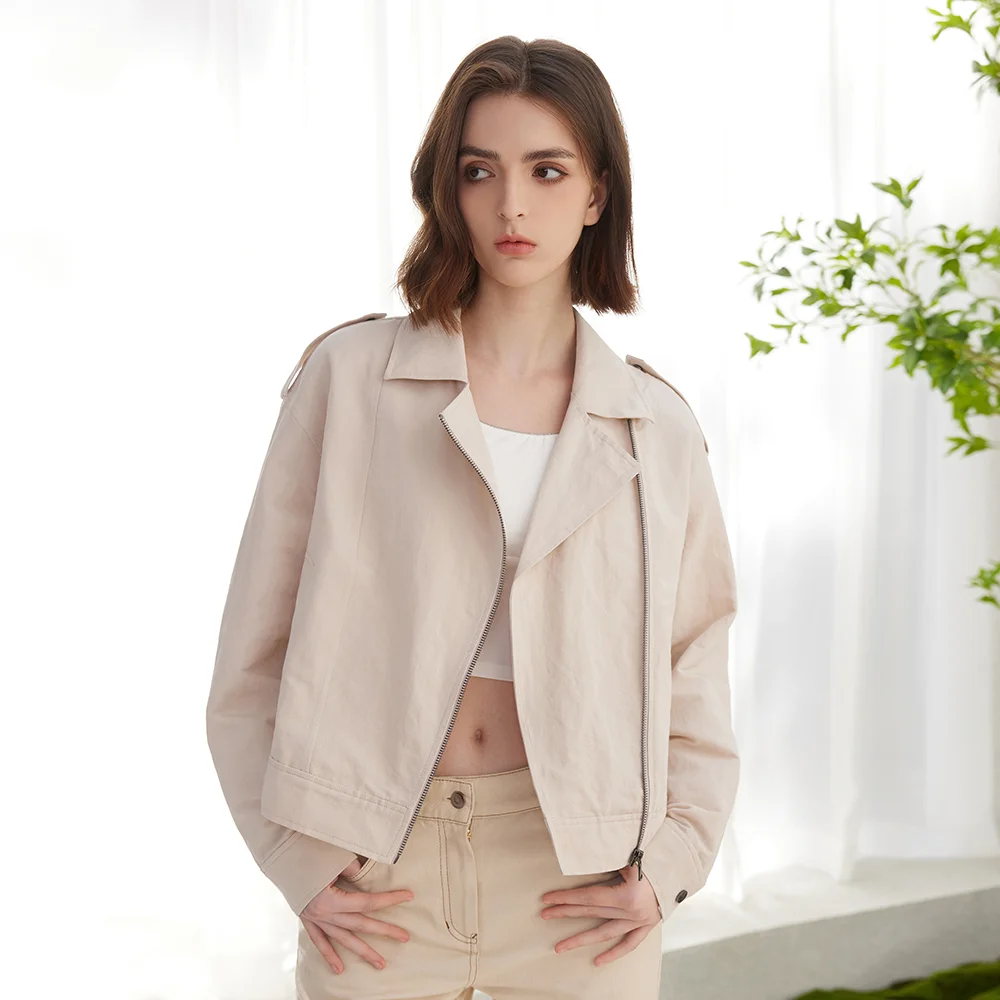
Selecting the right fabric goes beyond aesthetics—it affects comfort, durability, and long-term wardrobe satisfaction. Understanding when to choose linen or polyester, and how to mix fabrics strategically, can help build a practical and stylish daily wardrobe.
When to Choose Linen
Linen is ideal for situations where breathability, comfort, and skin-friendliness are priorities. It performs exceptionally well in:
- Hot climates and summer wear: Linen’s natural airflow and moisture-wicking properties keep the body cool and dry, making it perfect for summer dresses, tops, and casual outfits.
- Casual daily outfits or chic office tops: Its relaxed yet sophisticated drape allows for versatility across workwear and everyday clothing.
- Skin-sensitive needs: Linen is hypoallergenic, making it suitable for sensitive or allergy-prone skin.
Linen is the go-to fabric when comfort, natural feel, and adaptability are essential, particularly in warm or humid conditions.
When Polyester May Be Acceptable
Polyester can be a practical choice in contexts where durability, shape retention, or low-maintenance care are more important than breathability:
- High durability or stretch requirements: Ideal for garments exposed to frequent movement or wear, such as activewear or travel clothing.
- Structured garments: Polyester holds shapes like pleats, jackets, or tailored pieces effectively, providing crisp lines without frequent ironing.
- Budget-friendly or low-maintenance basics: Polyester offers convenience for garments that require minimal care and withstand repeated washing.
Polyester suits functional, low-maintenance, or structured clothing, but may be less comfortable for long hours in warm weather.
Mixing Fabrics
Strategic fabric blending can enhance both comfort and style:
- Combine linen with other natural fibers: Pairing linen with cotton or bamboo improves softness, texture, and overall breathability.
- Limit synthetic blends: Excessive use of synthetic fibers like polyester can reduce comfort, trap heat, and increase chemical exposure, impacting long-term skin health and sustainability.
- Layer thoughtfully: Using natural fabrics as base layers maximizes comfort while allowing structured or durable synthetic fabrics for outer layers.
Thoughtful mixing of fabrics can balance comfort, style, and longevity, while prioritizing natural fibers ensures a healthier, eco-conscious wardrobe.
FAQs – Linen Vs Polyester For Women
Understanding common concerns about fabric choice can help make informed decisions for daily wear. The following FAQs address key points regarding linen and polyester, focusing on comfort, care, and suitability for different conditions.
Can linen be worn to work every day?
Linen is perfectly suitable for daily office wear when styled thoughtfully. Tailored linen blouses, dresses, or tops in neutral tones paired with skirts, trousers, or chinos create a polished, professional look. Its natural drape and breathable texture make it comfortable for all-day wear, even during long hours at the desk or in warm office environments.
Is polyester suitable for hot weather?
Polyester is less ideal for warm climates due to its low breathability. The synthetic fibers can trap heat and moisture, potentially causing discomfort and excessive sweating. For summer tops, casual dresses, or long hours outdoors, natural fabrics like linen or cotton are far superior in maintaining coolness and comfort.
How should linen garments be cared for?
Proper care preserves linen’s texture, drape, and longevity. Gentle washing in cold water, preferably with mild detergents, prevents damage to fibers. Ironing while the fabric is slightly damp helps maintain a crisp, polished appearance. Avoid excessive heat in dryers, as it may cause slight shrinkage or fiber weakening over time.
Are natural fibers better for sensitive skin?
Natural fibers like linen and cotton are generally hypoallergenic and gentle on the skin. Their breathability, softness, and minimal chemical processing reduce irritation and discomfort, making them ideal for individuals with sensitive or allergy-prone skin. Polyester and other synthetic fabrics may pose risks due to chemical residues or reduced airflow.
Conclusion
As Linaé, I can confidently say that when it comes to “Linen vs Polyester for women”, natural fibers like linen win for daily wear. From breathability, comfort, and style, to eco-friendliness and skin-friendliness, linen provides an all-around superior experience for your wardrobe. While polyester has its uses in durability and low-maintenance garments, it cannot match the elegance, health benefits, and sustainability of linen. Incorporating linen tops, dresses, and casual wear into your daily wardrobe ensures you stay cool, stylish, and conscious of the environment—truly a win-win choice for women everywhere.