Hi, I’m Linaé, and I’ve spent years exploring the best fabrics for women’s clothing. Choosing the right material is crucial, whether you’re searching for comfortable summer wear, stylish office outfits, or eco-friendly fabrics that last. Two fabrics that often come up in conversations about comfort, style, and practicality are linen and rayon. But how do you decide which one suits your needs best? In this guide, we’ll dive deep into Linen vs Rayon for women, exploring their differences in texture, comfort, and durability, while also examining their uses, maintenance, and sustainability. By the end, you’ll have a clear understanding of which fabric fits your lifestyle and fashion preferences.
What is Linen?
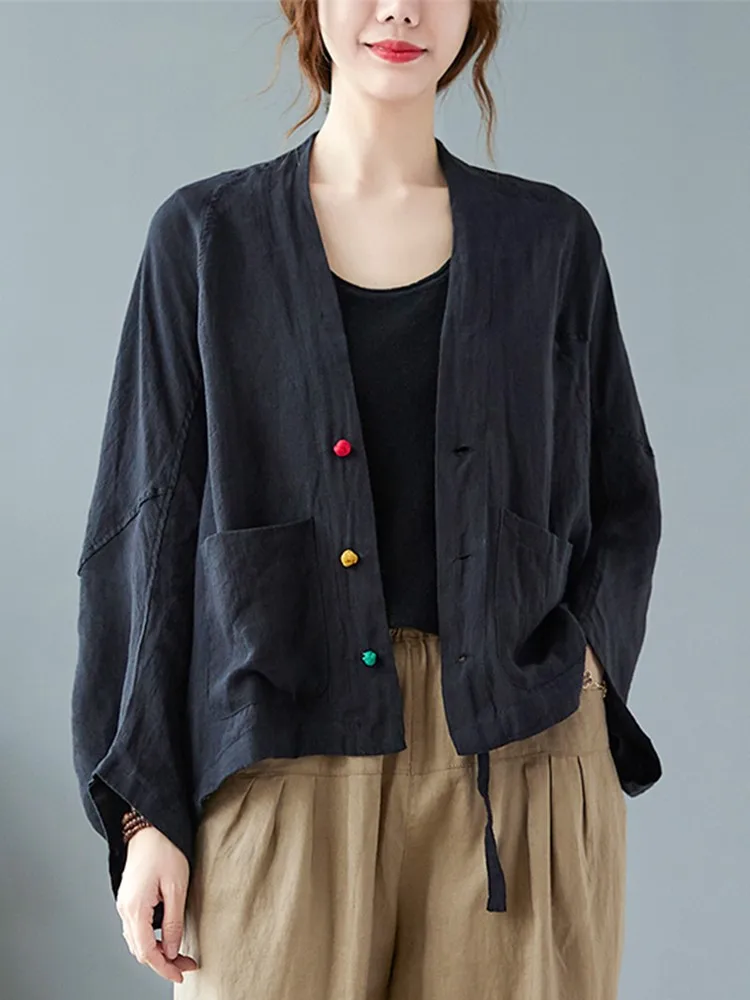
Linen is one of the oldest textiles in human history, valued for its natural origins, durability, and comfort. It remains a staple in women’s wardrobes, especially for those seeking breathable, sustainable, and versatile fabrics for both casual and formal wear.
Definition and Origin
Linen is a natural fiber extracted from the stalks of the flax plant. Renowned for its strength and longevity, it has been used for centuries across cultures—from ancient Egyptian garments to modern high-fashion collections. Its natural, eco-friendly properties make it an excellent choice for women who prioritize sustainable fashion, and its breathable nature ensures comfort in warm climates.
Key Characteristics
Texture: Linen features a crisp, slightly coarse fabric hand, which softens over time with use and washing, giving garments a natural, lived-in feel. Its unique texture adds subtle visual interest and a refined yet relaxed look.
Weight: Lightweight and airy, linen allows for excellent airflow, making it perfect as a hot weather fabric. It drapes naturally while maintaining structure in dresses, skirts, and blouses.
Breathability: Linen is highly moisture-wicking, quickly absorbing and releasing sweat, keeping the wearer cool and dry even during intense heat.
Durability: One of linen’s strongest points is its longevity. Resistant to wear and tear, it maintains its quality through frequent washes, making it a long-lasting fabric ideal for everyday outfits and travel pieces.
Wrinkle-prone: A natural characteristic, linen wrinkles easily, which contributes to its relaxed aesthetic. While ironing is often necessary for a polished appearance, many fashion-forward styles embrace this texture as part of its charm.
Common Uses for Women
Linen’s versatility makes it suitable for a wide range of women’s clothing and accessories, including:
- Linen dresses for summer, casual, or work occasions
- Blouses and casual tops for breathable everyday wear
- Skirts and lightweight pants suitable for warm climates
- Light jackets or outer layers for transitional weather
- Resort wear, travel-friendly outfits, and casual everyday ensembles
Advantages & Drawbacks
Pros:
- Highly breathable and skin-friendly, ideal for sensitive skin
- Lightweight yet structured, offering comfort and style
- Durable and long-lasting, suitable for repeated use
Cons:
- Naturally wrinkle-prone, requiring occasional ironing
- Needs care to maintain a crisp, polished appearance
Linen continues to be favored for its combination of comfort, durability, and eco-conscious appeal, making it a timeless choice in women’s fashion.
What is Rayon?
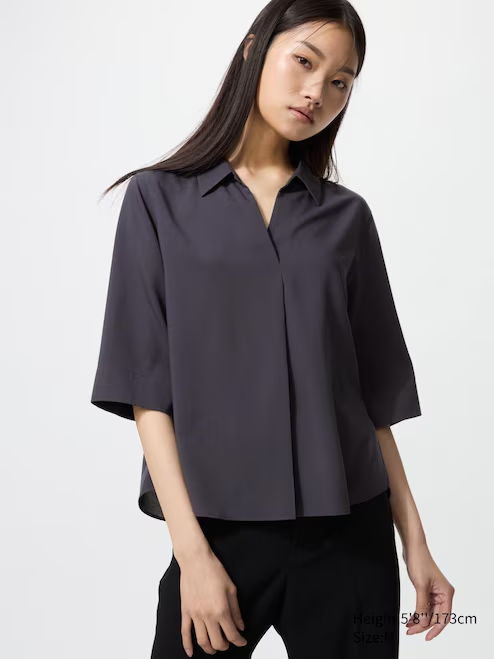
Rayon is a versatile fabric that bridges the gap between natural and synthetic fibers, offering women a combination of softness, elegance, and affordability. Its smooth texture and flowing drape make it a popular choice for garments that require comfort, style, and a polished finish.
Definition and Origin
Rayon is a semi-synthetic fiber created from regenerated cellulose, typically extracted from wood pulp or other plant materials. Developed to mimic the luxurious qualities of natural fibers such as silk, rayon provides a soft and smooth texture while remaining more affordable than fully natural fabrics. Although not entirely natural, its adaptability, affordability, and elegant feel have made rayon a staple in women’s fashion, from casual wear to resort and office outfits.
Key Characteristics
- Texture: Rayon is renowned for its smooth, silky feel and soft drape. The fabric flows gracefully, creating garments with natural movement and elegant drapability, which enhances styling and layering possibilities.
- Weight: Lightweight and airy, rayon works well for layered outfits and dresses that require fluidity without bulk.
- Comfort: Rayon is cool and skin-friendly, making it ideal for hot climates or for garments worn close to the skin. Its soft texture reduces irritation, providing all-day comfort.
- Durability: While comfortable and stylish, rayon is less durable than linen. It is prone to shrinkage, snagging, and pilling if not handled carefully, requiring more thoughtful maintenance than robust natural fibers.
Common Uses for Women
Rayon’s versatility allows it to be used across a broad range of women’s garments and accessories:
- Dresses for casual, office, or formal occasions
- Blouses and flowing tops
- Skirts and lightweight trousers
- Office-appropriate fabrics and resort wear ensembles
- Everyday outfits that benefit from drapable, flowing designs
Advantages & Drawbacks
Pros:
- Soft, smooth texture provides superior comfort and a luxurious feel
- Excellent drapability, enhancing movement and styling
- Lightweight, skin-friendly material, suitable for various climates
Cons:
- Requires gentle washing and careful handling
- Less durable than natural fibers like linen
- Susceptible to shrinkage, snagging, and pilling if not properly maintained
Rayon continues to be favored in women’s wardrobes for its softness, elegant drape, and versatility, making it suitable for a wide range of occasions from casual outings to office and resort wear.
Linen vs Rayon: Texture Comparison
Choosing the right fabric often starts with understanding its texture, as this impacts both comfort and the overall look of an outfit. The tactile qualities of linen and rayon differ significantly, influencing how garments feel against the skin and how they drape.
Linen Texture
Linen is characterized by a crisp, slightly rough hand that gradually softens with wear and washing. Its natural weave creates subtle irregularities, giving the fabric a distinctive texture that is both visually appealing and tactilely satisfying. The breathable fabric nature makes linen ideal for casual outfits, summer tops, skirts, and everyday wear that require both comfort and durability. Linen maintains structure well, providing a relaxed yet polished appearance even in lightweight garments.
Rayon Texture
Rayon, in contrast, offers a smooth, soft, and flowing texture with a silky feel that mimics natural silk. Its fine weave allows for excellent drapability, making it perfect for office-appropriate fabrics, formal wear, and dresses where elegance and fluid movement are desired. Rayon garments glide over the skin, enhancing comfort while adding a touch of sophistication. The soft texture also allows for layering without bulk, making it versatile across seasons.
Which Texture Suits Which Purpose?
- Casual, breathable comfort: Linen is unmatched for hot weather and laid-back outfits due to its crisp yet airy hand and moisture-wicking properties.
- Soft, elegant drape: Rayon excels when a smooth, flowing silhouette is desired, offering luxurious comfort for formal or office wear.
Both fabrics provide unique advantages, and understanding their textural differences ensures garments are chosen for the right occasion and desired aesthetic.
Linen vs Rayon: Comfort & Wearability
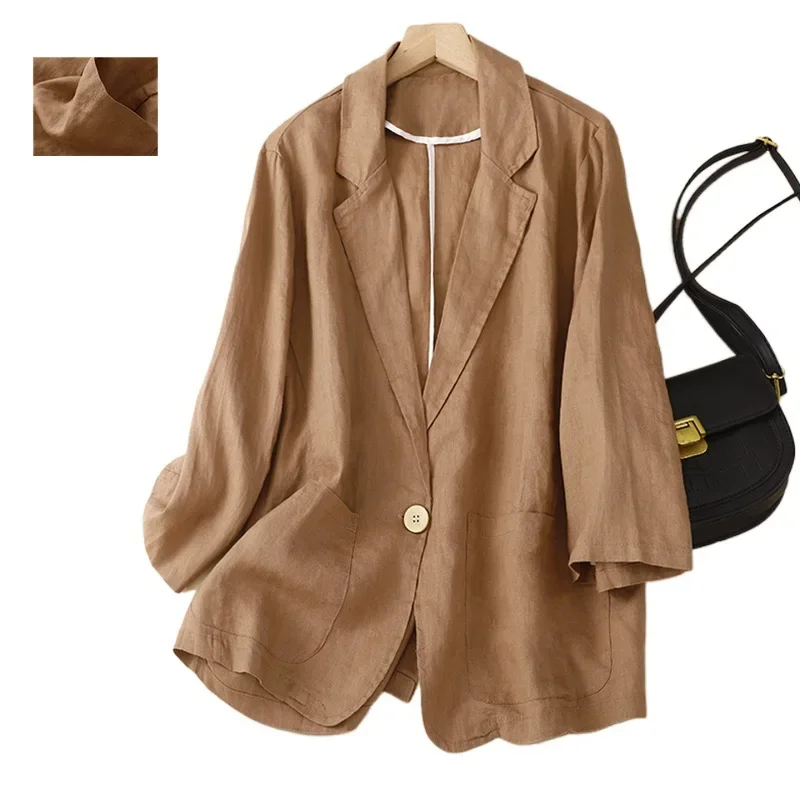
Comfort plays a pivotal role in selecting fabrics for women’s clothing, particularly for outfits worn in warm climates or for all-day use. Both linen and rayon offer distinct advantages, but their performance in terms of breathability, skin-friendliness, and draping differs significantly.
Breathability and Temperature Regulation
Linen is renowned for its exceptional breathability. Its natural, loosely woven fibers allow air to circulate freely, while its moisture-wicking properties draw sweat away from the skin, keeping the wearer cool and dry even in high temperatures. This makes linen the go-to hot weather fabric for summer dresses, blouses, and casual tops.
Rayon, on the other hand, is lightweight and smooth, providing a cool feel against the skin. While it does not breathe as efficiently as linen, it still offers a comfortable alternative for warmer climates, especially when layered or blended with other fabrics. Its soft surface makes it feel gentle and skin-friendly.
Skin-Friendliness
Both linen and rayon are generally comfortable against the skin, but rayon’s silky texture gives it an edge for those with sensitive skin or for garments worn directly against the body. Linen, though slightly coarser initially, softens with repeated washes, maintaining a natural and skin-friendly material for everyday wear.
Flexibility and Draping
Linen: Slightly stiff, linen holds its shape well, providing a crisp, structured appearance. This characteristic is ideal for tailored summer outfits, skirts, and casual tops that benefit from a natural texture and subtle body.
Rayon: Fluid and flowing, rayon excels in drapability, allowing garments like blouses, dresses, and resort wear to move gracefully with the body. Its flexibility adds a touch of elegance and effortless style, perfect for office-appropriate fabrics or layered fashion ensembles.
Best Use Cases
- Linen: Optimal for summer clothing, casual tops, skirts, lightweight jackets, and everyday outfits that prioritize breathability and durability.
- Rayon: Best suited for office wear, resort wear, elegant dresses, and flowing everyday outfits that require a soft hand and sophisticated drape.
Understanding these differences ensures that the right fabric is selected for comfort, climate, and style, making garments both practical and fashionable
Linen vs Rayon: Durability & Maintenance
The longevity and care requirements of a fabric are critical factors for women when selecting clothing. Understanding how linen and rayon perform over time ensures garments remain stylish, functional, and long-lasting.
Longevity and Wear Resistance
Linen: Celebrated for its long-lasting fabric qualities, linen is remarkably strong and resilient. It withstands frequent washing and daily wear without losing structure, making it ideal for everyday outfits and travel-ready clothing. Over time, linen softens naturally, enhancing comfort while maintaining durability.
Rayon: Rayon offers moderate durability. While it feels soft and luxurious, it is more susceptible to wear and tear. Shrinkage, snagging, and minor pilling can occur with repeated use, so garments made from rayon require more careful handling to preserve their appearance.
Shrinkage, Pilling, and Color Fading
Linen: Resistant to pilling and able to retain its color well, linen maintains its aesthetic appeal even after multiple washes. This makes it a reliable choice for long-term use and garments that need frequent laundering.
Rayon: Rayon may fade with repeated washing or prolonged sunlight exposure. Its fibers can also be prone to slight shrinkage or surface imperfections, which necessitates attentive care to maintain a fresh, vibrant look.
Washing and Ironing
Linen: Easy to wash and generally robust, linen benefits from occasional ironing to maintain a polished appearance. Its natural strength allows it to endure machine washing or hand washing, making it a practical easy-care fabric for daily wear.
Rayon: Requires gentle hand washing or delicate machine cycles to prevent damage. Rayon is more heat-sensitive, and high-temperature ironing or drying can compromise its softness and structure, making careful maintenance essential.
Maintenance Summary
- Linen: Better suited for long-term use with low maintenance challenges, providing durability, breathability, and effortless style for summer clothing, casual tops, and lightweight jackets.
- Rayon: Offers elegance and a soft, flowing texture but requires careful handling, as it is more prone to wear issues, shrinking, and fading. Ideal for office wear, resort wear, and elegant everyday outfits when maintained properly.
Both fabrics provide distinct advantages, and knowing their durability and care requirements allows for informed choices that balance longevity, comfort, and aesthetics.
Style & Fashion Considerations
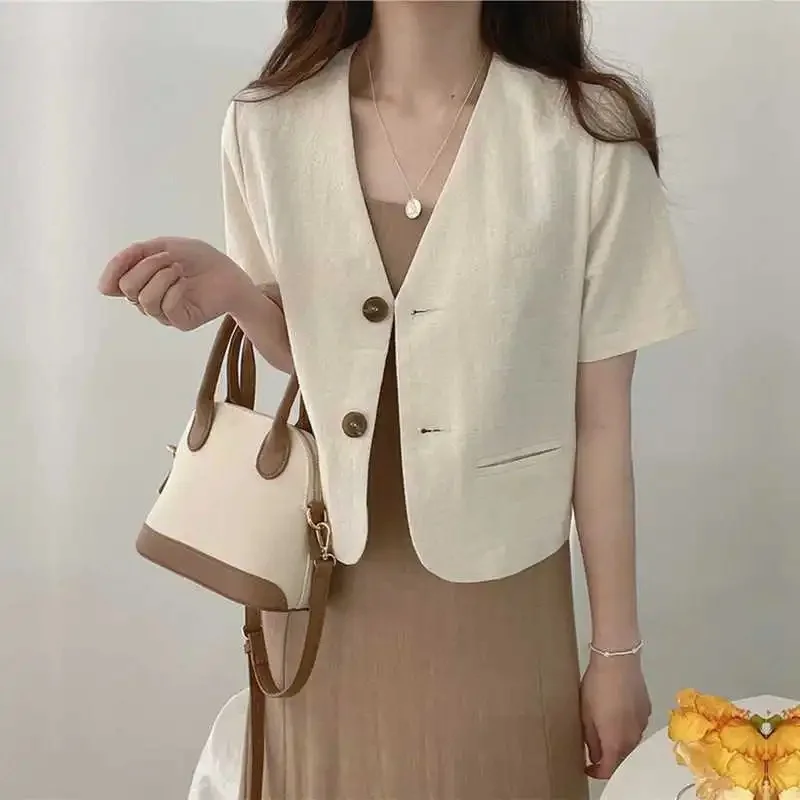
Choosing the right fabric for women’s clothing goes beyond comfort and durability—fashion versatility is equally important. Linen and rayon each bring unique qualities that influence outfit style, suitability for occasions, and overall aesthetic appeal.
Suitable Clothing Types
Linen: Renowned for its crisp texture and structured feel, linen is ideal for casual tops, summer dresses, skirts, lightweight pants, and jackets. Its natural, breathable fabric ensures comfort while maintaining a relaxed yet polished look.
Rayon: With its soft, flowing drape and silky texture, rayon is perfect for office-appropriate fabrics, blouses, dresses, skirts, and resort wear. The fabric’s elegance and fluidity make it suitable for garments requiring sophisticated movement and layering.
Occasion Matching
- Linen: Best suited for casual outings, everyday outfits, summer wear, and resort wardrobes, where comfort, breathability, and effortless style are priorities. Its natural texture provides a laid-back, timeless appeal.
- Rayon: Excels for formal events, office environments, resort wear, and layered outfits, where a smooth, flowing fabric enhances elegance and sophistication. Rayon’s versatility allows it to transition seamlessly from professional to leisure settings.
Trendy Outfits
Linen: Offers a relaxed, natural look that aligns with current fashion trends emphasizing sustainability, minimalism, and effortless style. Linen garments pair well with neutral tones, natural accessories, and layered casual outfits.
Rayon: Brings elegance, fluidity, and drapability to outfits, making it ideal for modern, stylish ensembles that require movement and visual flow. It complements formal attire, workwear, and sophisticated resort looks.
Blends and Hybrid Fabrics
Linen-rayon blends: These hybrids combine the crisp durability of linen with the silky softness and drapability of rayon, delivering the best of both worlds. Ideal for women seeking garments that balance comfort, style, and versatility, allowing for breathable, elegant, and long-lasting pieces suitable for multiple occasions.
By considering the fabric’s inherent qualities, designers and fashion-conscious women can select garments that match their lifestyle, occasion, and desired aesthetic, ensuring outfits are both practical and stylish
Environmental & Sustainability Aspects
Sustainability has become a major consideration in women’s fashion, with increasing demand for fabrics that are eco-friendly, renewable, and responsibly sourced. Both linen and rayon offer different environmental impacts, which can influence fabric choices for conscious consumers.
Linen
Linen is made from flax plants, a naturally renewable resource that requires minimal pesticides and water compared to other crops. As a biodegradable material, linen decomposes without leaving harmful residues, making it highly eco-friendly. Its longevity and durability also contribute to sustainable fashion by reducing the need for frequent replacements. Linen aligns perfectly with current sustainable fashion trends, offering both style and environmental responsibility.
Rayon
Rayon is a semi-synthetic fiber produced from regenerated cellulose, usually extracted from wood pulp. While it is technically renewable, its production often involves chemical processing that can impact the environment if not managed responsibly. Rayon’s ecological footprint is higher than linen’s, but using certified rayon or linen-rayon blends can mitigate these effects, offering a compromise between luxury, drapability, and sustainability.
Making Sustainable Choices
Women who prioritize environmentally responsible clothing should consider the following:
- Favor linen fabrics for garments that are breathable, durable, and fully biodegradable.
- When choosing rayon, look for certified or sustainably processed options to reduce chemical impact.
- Explore blended fabrics that combine linen’s durability with rayon’s softness while maintaining a lower environmental footprint.
Understanding the environmental and sustainability aspects of fabrics ensures that clothing choices contribute to a greener wardrobe without compromising style or comfort.
Cost & Accessibility
Price and availability are important considerations when selecting fabrics for women’s wardrobes. Both linen and rayon vary in cost and accessibility, and understanding these differences helps in making informed fashion investments.
Price Comparison
Linen: Generally considered a premium fabric, linen’s higher price reflects its natural origin, durability, and sustainable qualities. The investment is justified by its long-lasting fabric properties and timeless style.
Rayon: More affordable and accessible, rayon offers an attractive alternative for women seeking soft, flowing fabrics for everyday outfits or seasonal fashion trends without a premium price tag.
Value for Money
Linen: While initially more expensive, linen’s long lifespan and durability make it a worthwhile investment. Garments retain their structure, texture, and style over years, providing excellent long-term value.
Rayon: Offers comfort, elegance, and versatility at a lower price, but may require replacement sooner due to moderate durability, especially if frequently worn or washed.
Availability
Both fabrics are widely available in retail stores and online marketplaces, providing options for different budgets and style preferences. Linen is particularly popular in sustainable fashion stores, reflecting its eco-friendly appeal, whereas rayon is often featured in mass-market and fashion-forward collections due to its versatility and affordability.
Understanding the cost and accessibility of linen and rayon allows women to balance quality, durability, and budget, ensuring that fabric choices align with both style goals and practical considerations.
How to Choose Between Linen and Rayon for Women?
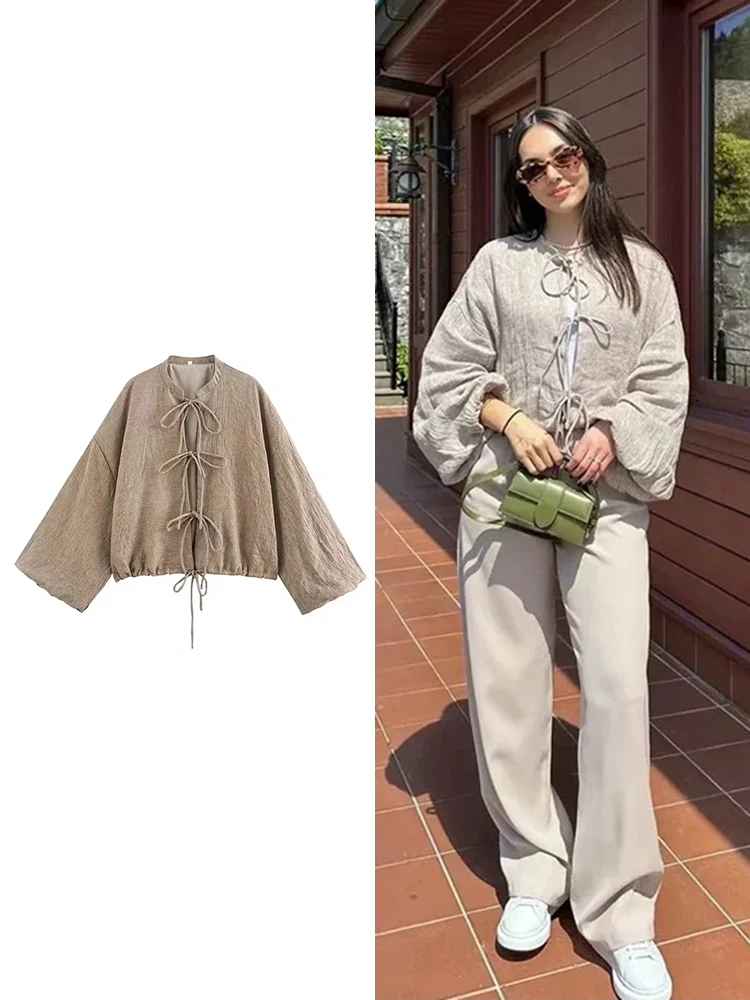
Selecting the right fabric involves more than preference—it requires understanding climate, lifestyle, outfit purpose, and maintenance requirements. Comparing linen and rayon helps women make informed decisions for comfort, style, and practicality.
Factors to Consider
Climate: Linen’s exceptional breathability and moisture-wicking properties make it the preferred choice for hot weather, ensuring cool, comfortable wear during summer months. Rayon, while lightweight, is better suited for moderate climates or layered outfits.
Outfit Type: Consider whether garments are for casual or formal wear. Linen’s crisp texture aligns with casual tops, summer dresses, and relaxed everyday outfits, whereas rayon’s smooth drape is ideal for office wear, elegant dresses, or resort ensembles.
Maintenance Preference: Linen is easy-care and durable, tolerating frequent washing with minimal risk of damage. Rayon requires gentle handling, careful washing, and attention to heat, making it better for those willing to invest in maintenance.
Fashion and Style: Linen provides a structured, natural look, while rayon enhances elegance, drapability, and flowing silhouettes, allowing for stylish layering and modern fashion trends.
Practical Tips
Summer Dresses: Linen or linen-rayon blends combine breathability with a softer drape for hot weather style. Office Wear: Rayon or blends provide a polished, smooth appearance suitable for professional environments. Travel and Resort Wear: Rayon or linen-rayon blends ensure comfort, lightweight feel, and versatile styling for multiple occasions.
Lifestyle Match
Linen: Ideal for women with active, outdoor, or casual lifestyles who prioritize breathable, long-lasting fabrics for everyday use.
Rayon: Suits those with a fashion-focused, office-oriented, or layered clothing lifestyle, where elegance, softness, and drapability enhance outfit versatility.
By considering these key factors, women can select between linen and rayon to ensure garments are not only stylish and comfortable but also practical for their climate, lifestyle, and wardrobe needs.
FAQs About Linen vs Rayon for Women
Understanding the differences between linen and rayon often raises common questions regarding comfort, maintenance, sustainability, and styling. The following FAQs provide clear guidance to help women make informed fabric choices.
Can I wear linen or rayon in hot climates?
Linen is ideal for hot weather fabric needs due to its highly breathable structure and excellent moisture-wicking properties, keeping the wearer cool and dry. Rayon, while lightweight and soft against the skin, does not breathe as efficiently as linen but still provides a comfortable, cool feel suitable for summer wear or layered outfits.
Which fabric is easier to maintain for daily wear?
Linen is a durable easy-care fabric, capable of withstanding frequent washing, though occasional ironing is needed to maintain a polished appearance. Rayon requires gentle washing and careful handling to prevent shrinkage, snagging, or heat damage, making it less convenient for everyday garments.
Are linen or rayon fabrics eco-friendly?
Linen is a fully natural, biodegradable material made from flax plants, making it a top choice for sustainable fashion. Rayon is a semi-synthetic fiber, derived from wood pulp, and involves chemical processing, which reduces its eco-friendliness. Opting for certified rayon or linen-rayon blends can mitigate environmental impact.
Which fabric is more suitable for office or formal wear?
Rayon’s smooth feel, silky texture, and elegant drape make it the preferred choice for office-appropriate fabric and formal outfits. Its fluidity enhances layered looks and professional attire, while linen’s crisp texture is better suited for casual or relaxed styles.
Can linen and rayon be blended together?
Yes, linen-rayon blends combine the crisp durability of linen with the soft drape and smooth texture of rayon, offering a versatile option for garments that require both longevity and elegance. These blends are ideal for women seeking comfort, style, and multi-functional wardrobe pieces.
Conclusion
As Linaé, I’ve explored the practical and stylish sides of both fabrics, and understanding the differences between linen and rayon for women is key to making informed fashion choices. Linen offers durability, breathability, and a crisp natural texture, perfect for summer outfits, casual tops, and everyday outfits. Rayon provides soft, silky texture and elegant drapability, ideal for office wear, resort wear, and layered looks.
Ultimately, the choice depends on your lifestyle, climate, and fashion preferences. If you value longevity and eco-friendliness, linen fabric is your best friend. If you seek smooth, soft comfort and graceful flow in dresses or blouses, rayon may suit you better. You can also explore linen-rayon blends for a balance of both worlds. Whatever you choose, knowing the differences in texture, comfort, and durability ensures your wardrobe is stylish, practical, and aligned with your needs