Linaé has always believed that the fabrics we choose tell a quiet story about our values. In a world increasingly shaped by fast fashion and synthetic materials, natural textiles are being rediscovered—not just for their beauty, but for their environmental and health impact. Among them, linen stands out as one of the oldest and most respected fabrics in human history. Yet today, a new question is shaping modern conversations: what makes linen truly organic?
This guide, Organic Linen Explained, is designed to give you a clear, factual, and practical understanding of organic linen—what it is, how it’s made, why it’s better, and how you can confidently identify genuine organic linen in a market crowded with vague sustainability claims. Whether you are choosing organic linen clothing, bedding, or home textiles, this guide will help you make informed, conscious decisions.
What Is Organic Linen?

Understanding organic linen requires looking beyond the surface definition and examining the entire lifecycle of the fabric—from how flax is grown to how the fibers are processed and finished.
Organic Linen Definition
Organic linen is a natural textile produced from flax fibers cultivated under certified organic farming standards. While all linen originates from the flax plant, not all linen qualifies as organic. The distinction lies not in the fiber itself, but in the agricultural and manufacturing practices behind it.
To be classified as organic, flax must be grown without synthetic pesticides, herbicides, chemical fertilizers, or genetically modified seeds (non-GMO flax). These standards aim to protect soil health, surrounding ecosystems, and human exposure to harmful chemicals. Beyond farming, organic linen production also excludes aggressive chemical treatments during fiber extraction, bleaching, dyeing, and finishing—steps where conventional linen often introduces residues that remain in the final fabric. In practical terms:
- Linen refers to fabric woven from flax fibers, regardless of how the flax was grown or processed.
- Organic linen specifically refers to linen made from certified organic flax, processed using environmentally responsible and low-impact methods throughout its supply chain.
This distinction is critical, especially in today’s market, where “natural” and “eco-friendly” are frequently used without clear standards.
What Makes Linen “Organic”?
Linen becomes genuinely organic only when every major stage of its lifecycle complies with recognized organic textile standards. This holistic approach ensures that sustainability is not limited to raw materials but extends to the finished product you wear or use.
- Chemical-free flax farming, eliminating synthetic agrochemicals that degrade soil and waterways
- Sustainable flax cultivation practices, such as crop rotation and minimal water use
- Low-impact linen processing, including mechanical fiber separation and non-toxic treatments
- Absence of harmful dyes, bleaches, and finishes, reducing chemical exposure for both workers and consumers
To verify these claims, organic linen is often backed by third-party certifications (such as GOTS or OEKO-TEX), which provide accountability, transparency, and traceability across the entire textile supply chain—from farm to fabric.
How Organic Linen Is Made?
To fully understand the value of organic linen, it’s essential to examine how the fabric is produced at each stage, starting from the flax field and ending with the finished textile. Unlike conventional linen, organic linen follows a controlled, low-impact process designed to preserve both fiber quality and environmental integrity.
Organic Flax Farming
Organic linen begins at the agricultural level, where flax is cultivated under strict organic farming standards. Flax is already considered one of the most resource-efficient fiber crops, and when grown organically, its environmental benefits become even more pronounced.
- No synthetic pesticides, herbicides, or chemical fertilizers, reducing soil and water contamination
- Crop rotation and natural soil management, which maintain long-term soil fertility
- Support for biodiversity, including pollinators and surrounding ecosystems
- Naturally low water requirements, especially when compared to water-intensive crops like cotton
Because flax thrives in temperate climates and depends primarily on rainfall rather than irrigation, organic flax is widely recognized as a low water usage crop and a climate-friendly raw material for textile production.
Harvesting and Retting
Once the flax plant reaches maturity, it is harvested and prepared for fiber extraction through a process known as retting. Retting separates the usable flax fibers from the woody stalk by breaking down natural plant binders. Organic linen producers rely on biological retting methods, rather than chemical accelerants, most commonly:
- Dew retting, which uses natural moisture, sunlight, and microorganisms
- Water retting, conducted in controlled, chemical-free water environments
Both techniques allow natural enzymes and microbes to do the work gradually, resulting in cleaner flax fibers, improved fiber strength, and a significantly lower environmental impact compared to chemically assisted retting.
Fiber Processing and Weaving
After retting, the flax fibers move through a series of mechanical steps that transform them into usable textile yarn:
- Fibers are dried, scutched, and combed to remove impurities
- The cleaned fibers are spun into yarn without synthetic strengthening agents
- Weaving is carried out using mechanical or low-energy looms
Throughout this stage, organic linen production intentionally avoids chemical softeners, synthetic resins, and artificial finishes often used in conventional linen manufacturing. Instead, the fabric retains its natural texture and gradually softens through use and washing. This low-impact manufacturing process helps preserve the natural strength, breathability, and longevity that define high-quality organic linen.
Organic Linen vs Conventional Linen
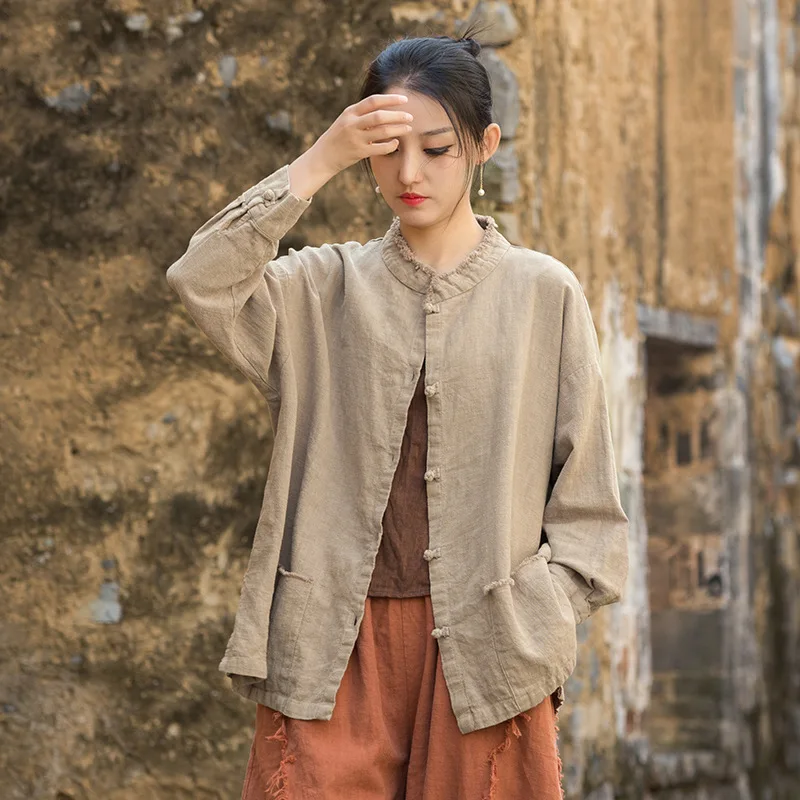
Although organic linen and conventional linen share the same botanical origin, the differences between them become clear when examining how the fabric is produced, processed, and experienced in everyday use. These distinctions matter not only for sustainability, but also for comfort, longevity, and skin safety.
Key Differences at a Glance
| Aspect | Organic Linen | Conventional Linen |
|---|---|---|
| Flax farming | Certified organic, pesticide-free | Often chemically treated |
| Processing | Low-impact, non-toxic methods | May involve chemical finishes |
| Environmental impact | Lower carbon footprint | Higher overall footprint |
| Skin safety | Hypoallergenic, chemical-free | Possible chemical residue |
At the agricultural level, organic linen relies on chemical-free flax farming, while conventional linen may involve synthetic fertilizers or pesticides. During processing, organic linen avoids harsh treatments designed to artificially soften or alter the fabric, whereas conventional linen may use chemical bleaches, resins, or finishing agents to speed up production.
As a result, organic linen typically has a lower environmental impact and presents fewer risks of chemical exposure, particularly for people with sensitive skin. The core difference lies not in the fiber itself, but in the integrity of the production process.
Performance & Feel Comparison
From a functional standpoint, both organic and conventional linen retain the essential characteristics that make linen popular. However, organic linen often delivers these benefits in a more natural and refined way. Organic linen is known for:
- Excellent breathability, allowing air to circulate freely
- Natural moisture-wicking properties, keeping the body dry and comfortable
- Temperature regulation, performing well in both warm and cooler climates
- A texture that softens gradually over time, without chemical softeners
Wrinkling occurs in both organic and conventional linen due to the structure of flax fibers. Importantly, wrinkles should be understood as a hallmark of authentic natural linen, not a flaw in fabric quality. In many cases, organic linen wrinkles appear softer and more relaxed as the fabric ages naturally.
Why Organic Linen Is Better?
The advantages of organic linen go beyond surface-level sustainability claims. When evaluated through environmental impact, human health, and ethical production, organic linen consistently stands out as a higher-standard textile choice compared to both conventional linen and many alternative fabrics.
Environmental Benefits
Organic linen is widely regarded as one of the most environmentally responsible fabrics in modern textile production. Its sustainability strengths stem from both the natural efficiency of flax and the absence of chemical-intensive farming and processing.
- Biodegradable and compostable fabric, capable of breaking down naturally at the end of its lifecycle
- Made from renewable plant-based fibers, reducing dependence on fossil-fuel-derived materials
- Minimal chemical runoff, protecting soil, waterways, and surrounding ecosystems
- Reduced water and energy consumption, particularly when compared to cotton and synthetic textiles
- Lower carbon footprint, due to efficient flax cultivation and low-impact manufacturing
Because linen fibers decompose naturally without releasing microplastics, organic linen actively supports a plastic-free textile ecosystem and reduces long-term environmental pollution.
Health & Skin Benefits
One of the most overlooked advantages of organic linen is its effect on skin health and overall comfort. By eliminating chemical residues commonly introduced during conventional textile processing, organic linen creates a cleaner and safer fabric environment. Organic linen is especially suitable for individuals with:
- Sensitive or reactive skin
- Allergies or respiratory sensitivities
- Long-term exposure concerns related to chemicals
Key health-related benefits include:
- Hypoallergenic properties, minimizing irritation and allergic reactions
- Absence of toxic residues, such as formaldehyde or synthetic softeners
- Naturally antibacterial characteristics, which inhibit odor-causing bacteria
- A highly breathable structure that reduces moisture retention and skin discomfort
For these reasons, organic linen is frequently recommended for baby clothing, bedding, sleepwear, and everyday essentials that remain in close contact with the skin.
Ethical & Social Responsibility
Beyond environmental and health considerations, organic linen also reflects a commitment to ethical and socially responsible production. Organic standards often extend beyond farming, influencing labor practices and supply chain transparency. Choosing organic linen supports:
- Ethical linen production, with improved working conditions
- Fair labor practices, particularly in flax-growing and processing regions
- Responsible flax sourcing, reducing exploitation of land and labor
- Transparent textile supply chains, enabling traceability from field to fabric
These values closely align with slow fashion principles, which prioritize durability, quality, and responsible consumption over rapid, high-volume manufacturing. Organic linen represents a fabric choice rooted in long-term value rather than short-term output.
Organic Linen vs Other Sustainable Fabrics
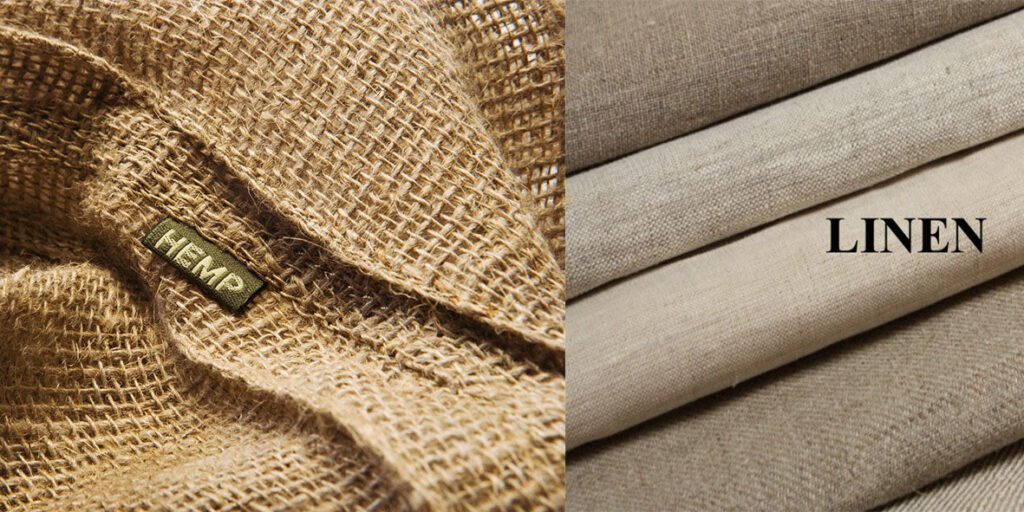
While many fabrics are labeled “sustainable,” their environmental impact, production transparency, and long-term performance can vary significantly. Comparing organic linen with other popular eco-friendly textiles helps clarify where organic linen truly excels—and where trade-offs exist.
Organic Linen vs Organic Cotton
Both organic linen and organic cotton are natural, biodegradable, and widely used in sustainable fashion. However, their environmental profiles differ considerably at the agricultural level.
Organic linen offers several structural advantages:
- Significantly lower water usage, as flax relies primarily on rainfall
- Minimal irrigation requirements, reducing pressure on freshwater resources
- Higher fiber durability, allowing garments and textiles to last longer
- Superior moisture-wicking properties, particularly in hot and humid climates
Organic cotton, by comparison, tends to feel softer at first touch, making it popular for casual wear and bedding. Over time, however, organic linen often proves more resilient, developing increased softness while maintaining fiber strength through repeated use and washing. Organic cotton prioritizes initial softness, while organic linen emphasizes longevity and climate performance.
Organic Linen vs Hemp
Hemp and linen share several similarities: both are plant-based fibers, both are highly durable, and both are considered environmentally efficient crops. Despite these similarities, their performance and aesthetic qualities differ.
- Hemp fibers typically feel coarser at first, requiring extensive processing to soften
- Linen offers a more refined drape, making it well-suited for garments and bedding
- Breathability is generally higher in linen, especially in lightweight weaves
Because of these differences, organic linen is often preferred for clothing, sheets, and everyday textiles, while hemp is more commonly used for heavier fabrics, upholstery, or industrial applications. Both fibers are sustainable, but linen delivers greater versatility for wearable comfort.
Organic Linen vs Bamboo Fabric
Bamboo fabric is frequently marketed as an eco-friendly alternative, but its sustainability depends heavily on how it is processed. In many cases, bamboo textiles undergo chemical-intensive manufacturing to transform bamboo pulp into soft fabric. Important considerations include:
- Most bamboo fabrics are chemically processed, often using solvents
- Supply-chain transparency varies, making verification difficult
- Environmental impact depends more on processing than raw material
Organic linen, in contrast, requires far fewer chemical interventions and follows a more transparent, traceable production process—especially when certified. This clarity makes organic linen one of the most reliable and verifiable sustainable fabric choices available. Transparency and low-impact processing place organic linen at the forefront of eco-conscious textiles.
How to Identify Genuine Organic Linen?
As demand for sustainable textiles grows, organic linen has become a frequent target of greenwashing. Knowing how to identify genuine organic linen requires looking beyond surface claims and examining certifications, labeling practices, and physical fabric cues.
Look for Trusted Certifications
The most reliable way to verify organic linen is through recognized third-party certifications. These standards ensure that both the raw material and the production process meet strict environmental and safety criteria.
- GOTS certified linen (Global Organic Textile Standard), which covers organic flax sourcing, processing, dyeing, and labor standards
- OEKO-TEX® certification, which confirms the absence of harmful substances in the finished fabric
- Certified organic textile labels issued by accredited international bodies
These certifications provide traceability and accountability, reducing the risk of misleading sustainability claims. Certification-backed labeling remains the strongest indicator of genuine organic linen.
Check Labels and Brand Transparency
Beyond certifications, careful label inspection and brand transparency offer additional verification. Genuine organic linen brands are typically clear and specific in how they describe their materials.
Look for the following details:
- Explicit wording such as “100% organic linen”, rather than vague terms like “linen blend” or “natural linen”
- Certification numbers or license IDs that can be verified
- Clear country-of-origin information, especially for flax sourcing and manufacturing
- Transparent supply chain explanations, including farming and processing methods
At the same time, be cautious of commonly used greenwashing phrases, such as:
- “Eco-inspired”
- “Natural-feel”
- “Sustainably sourced” (when unsupported by evidence)
Specific language and verifiable data matter more than eco-themed marketing.
Physical Characteristics of Organic Linen
While visual and tactile cues alone cannot replace certification, authentic organic linen often shares several recognizable physical traits. Typical characteristics include:
- A matte, understated surface, rather than an overly polished or glossy finish
- Subtle texture variations, reflecting minimal chemical processing
- A lightweight, breathable feel, consistent with natural flax fibers
- Progressive softness, as the fabric softens naturally with washing and wear
Organic linen may feel slightly firmer at first touch, but this is often a sign of uncoated, untreated fibers that improve with time rather than degrade.
Common Myths About Organic Linen
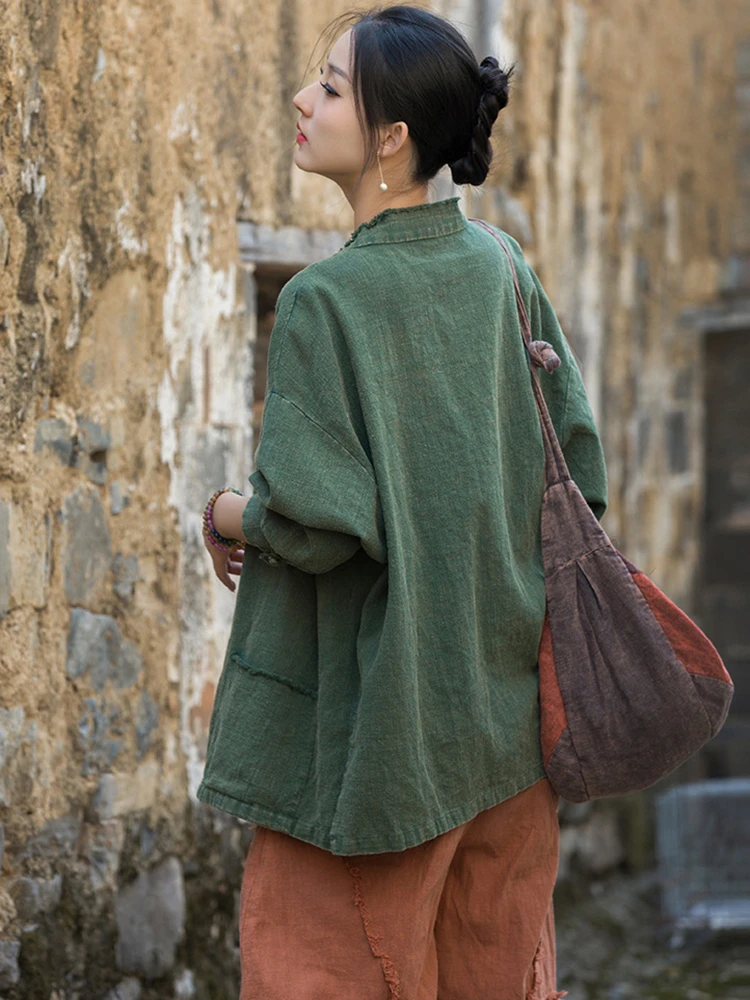
Despite its growing popularity, organic linen is still surrounded by misconceptions that often lead to confusion or hesitation. Clarifying these myths helps set realistic expectations and highlights what truly defines quality organic linen.
- “All Linen Is Organic”: This is one of the most common misunderstandings. While linen is derived from a natural plant fiber, natural does not automatically mean organic. Conventional linen may still involve chemically treated flax, synthetic fertilizers, or chemical finishing processes. Organic linen, by contrast, must meet certified organic farming and processing standards, ensuring chemical-free cultivation and low-impact manufacturing. The origin of the fiber matters just as much as the fiber itself.
- “Organic Linen Wrinkles More”: Wrinkling is an inherent characteristic of flax fibers and occurs in all types of linen, regardless of whether it is organic or conventional. Wrinkles are a natural result of linen’s low elasticity and should not be viewed as a quality flaw. In fact, many consider linen’s relaxed creasing to be part of its authentic, natural aesthetic, particularly in garments and home textiles. Wrinkles reflect fiber structure, not fabric quality.
- “Organic Linen Isn’t Durable”: This misconception contradicts the physical properties of flax. Linen is widely recognized as one of the strongest natural fibers, and organic linen retains this strength without relying on chemical reinforcement. When properly cared for, organic linen maintains excellent durability and often outperforms many treated fabrics over time. Strength comes from fiber integrity, not chemical enhancement.
How to Care for Organic Linen?
Proper care is essential to preserve the natural performance and longevity of organic linen. Fortunately, linen maintenance is straightforward when guided by a few core principles.
Washing & Drying Best Practices
To protect the fiber structure:
- Wash organic linen in cold or lukewarm water
- Use mild, eco-friendly detergents without harsh enzymes
- Avoid fabric softeners, which can coat and weaken fibers
- Air dry whenever possible to reduce stress on the fabric
These practices help maintain breathability while preventing unnecessary wear. Gentle care preserves both performance and texture.
Long-Term Care Tips
Over time, organic linen responds positively to proper handling:
- Linen softens naturally with repeated use and washing
- Consistent care significantly extends the fabric’s lifespan
- Store in dry, well-ventilated spaces to prevent moisture damage
With appropriate care, organic linen can last decades, making it a reliable and cost-effective textile choice. Longevity is one of organic linen’s strongest advantages.
Is Organic Linen Worth It?
At first glance, organic linen may appear more expensive than conventional alternatives. However, evaluating value requires considering lifecycle performance rather than initial cost. Organic linen offers:
- A longer usable lifespan
- Improved compatibility with sensitive skin
- A reduced environmental footprint
- A timeless, versatile aesthetic that does not follow short-term trends
For those prioritizing sustainability, durability, and long-term comfort, organic linen delivers measurable value beyond its price point. Cost reflects standards, not excess.
Popular Uses of Organic Linen
Thanks to its breathability, strength, and adaptability, organic linen is used across a wide range of applications:
- Organic linen clothing for everyday wear
- Organic linen dresses and shirts
- Organic linen bedding and sheets
- Home textiles such as curtains, table linens, and covers
Its ability to regulate temperature and manage moisture makes organic linen suitable for all seasons and climates, from warm summers to layered cooler environments. Versatility makes organic linen a staple rather than a niche fabric.
FAQs About Organic Linen Explained
As interest in sustainable textiles grows, organic linen frequently raises practical questions related to sustainability, durability, health, and value. The following answers address the most common concerns with clarity and context.
Is organic linen truly sustainable?
Yes. Organic linen is widely regarded as a highly sustainable textile. It is made from renewable flax fibers, requires relatively low water input, and avoids synthetic agrochemicals during cultivation. In addition, organic linen is biodegradable and compostable, meaning it returns safely to the environment at the end of its lifecycle without contributing to microplastic pollution.
Does organic linen last longer than regular linen?
In terms of raw fiber strength, organic and conventional linen are similar. However, organic linen often ages more gracefully due to cleaner processing methods that preserve fiber integrity. Without chemical coatings or synthetic softeners, the fabric maintains its structure while gradually becoming softer with use and washing.
How can I tell if linen is genuinely organic?
The most reliable indicators are third-party certifications and transparent labeling. Look for recognized standards such as GOTS-certified linen, along with clear material descriptions and supply chain information. Vague terms like “natural” or “eco-inspired” without verification should be treated with caution.
Is organic linen suitable for sensitive skin?
Yes. Organic linen is particularly well-suited for sensitive or reactive skin. The absence of harsh chemical residues, combined with its hypoallergenic and breathable structure, reduces the risk of irritation. These qualities make organic linen a preferred option for bedding, baby clothing, and garments worn close to the skin.
Why is organic linen more expensive?
Organic linen reflects higher production standards, including certified organic farming, low-impact processing, third-party audits, and ethical labor practices. These factors increase costs compared to mass-produced textiles, but they also deliver greater transparency, durability, and environmental responsibility.
Conclusion
For Linaé, organic linen is not just a fabric—it is a quiet commitment to quality, responsibility, and mindful living. Understanding the difference between conventional and organic linen empowers you to look beyond marketing claims and focus on what truly matters: environmental integrity, human health, and long-term value.
This Organic Linen Explained guide shows that organic linen stands at the intersection of tradition and modern sustainability. By choosing certified organic linen, you support cleaner agriculture, ethical production, and a future where textiles work in harmony with the planet—not against it.