Hi, I’m Linaé, and today I want to take you on a fascinating journey into the world of linen fabrics—a world where history, craftsmanship, and natural beauty intertwine. Did you know that linen has been cherished for thousands of years, not just for its durability, but also for its incredible breathability and timeless elegance? Yet, with so many types, textures, and blends available, even the most seasoned fabric enthusiasts can feel overwhelmed.
In this guide, I’ll walk you through Types of Linen Fabrics Explained, from the luxurious Belgian and French linens to the versatile Irish, blended, and textured fabrics. Along the way, we’ll uncover their unique origins, standout qualities, practical uses, and essential care tips—arming you with all the knowledge you need to choose the perfect linen for both fashion and home textiles.
What Is Linen Fabric?
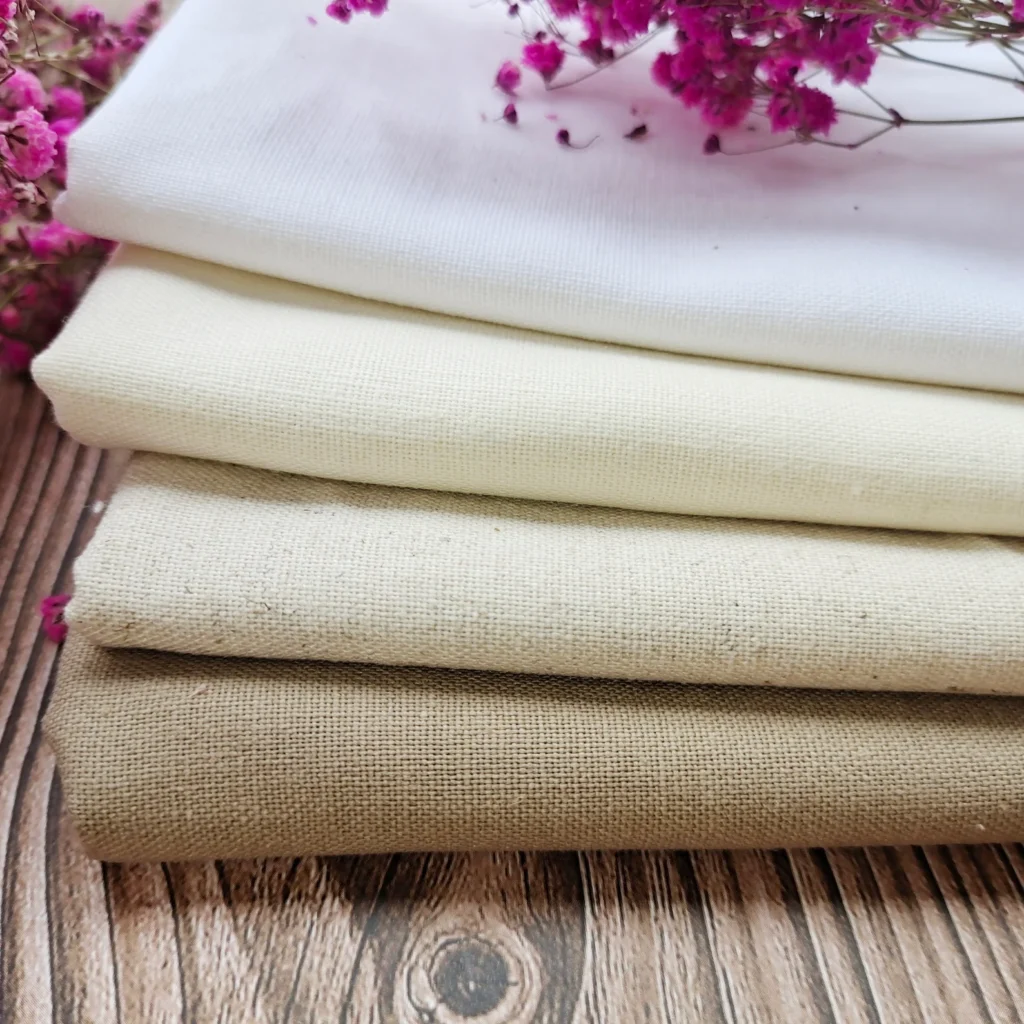
Linen is a natural fiber made from the stalks of the flax plant. Known for its breathable, lightweight, and durable qualities, linen has been used for thousands of years in clothing, bedding, and home textiles. The fibers are woven linen yarns, which can be handwoven or machine-made, giving the fabric its distinct texture and strength.
Unlike cotton or synthetic fabrics, linen’s eco-friendly and sustainable production makes it a favorite among conscious consumers. Its uses range from linen shirts, linen dresses, and linen pants to linen bedding, linen curtains, and linen tablecloths. Whether you are looking for premium Belgian linen or a practical linen-cotton blend, understanding the different types of linen is essential.
Key Qualities of Linen Fabrics
Understanding the essential qualities of linen helps in selecting the right fabric for clothing, home textiles, or premium décor. Linen’s unique characteristics set it apart from other natural fibers and contribute to its enduring popularity.
- Breathability and Comfort: Linen stands out as one of the most breathable fabrics available. Its natural fiber structure allows excellent airflow, efficient moisture absorption, and rapid drying, which keeps the body cool and comfortable in hot and humid climates. Unlike synthetic materials, linen feels soft yet crisp, providing a tactile sensation that is both refreshing and luxurious. The combination of breathability and natural temperature regulation makes linen ideal for summer apparel, casual wear, and bedding, ensuring all-day comfort without compromising style.
- Durability and Strength: The inherent strength of linen fibers makes it exceptionally durable, far surpassing cotton in longevity. A high-quality 100% linen fabric can maintain its structural integrity for 5 to 10 times longer than standard cotton fabrics, making it a smart investment for garments and home textiles alike. Its resilience ensures that even with frequent washing and wear, linen retains its shape, texture, and natural sheen. This durability also makes linen a sustainable choice, as products last longer and reduce the need for frequent replacements.
- Wrinkle and Care Considerations: One of linen’s signature traits is its tendency to wrinkle. While some view wrinkles as a natural charm that enhances its relaxed, authentic aesthetic, others may prefer linen blends for a smoother, easier-to-maintain appearance. Proper care—such as gentle washing, careful ironing, and correct storage—can extend the lifespan of linen fabrics while preserving their texture and softness. Understanding these nuances helps in selecting linen that fits both lifestyle and functional needs.
Linen’s combination of breathability, strength, and natural texture makes it a versatile and enduring choice, offering both comfort and elegance across clothing and home textiles.
Types of Linen Fabrics
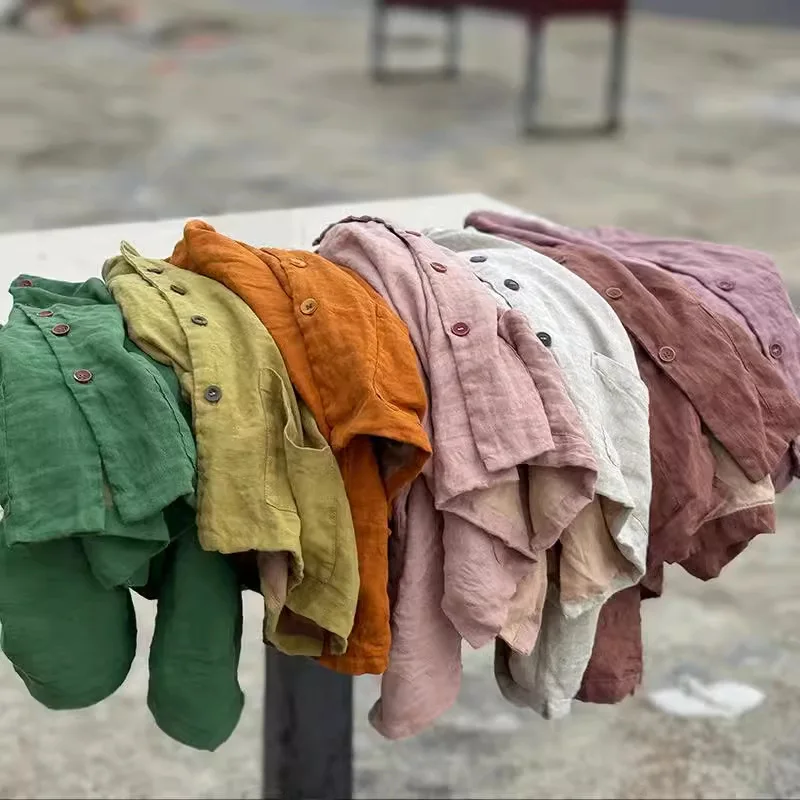
Linen fabrics can vary widely depending on origin, weave, fiber quality, and blends, each offering distinct characteristics for different applications. Understanding these differences helps in selecting the perfect linen for clothing, home textiles, or decorative use. The most renowned types include Belgian, Irish, French, blended, and textured linen fabrics.
Belgian Linen
Belgian linen is cultivated in Belgium, a region renowned for producing some of the finest flax fibers in the world. The combination of optimal climate, fertile soil, and centuries of textile craftsmanship produces fibers that are long, strong, and silky. These qualities have earned Belgian linen a reputation for luxury and elegance, often regarded as the gold standard in linen production.
- Characteristics: Belgian linen features a fine and soft texture, smooth to the touch, providing a luxurious tactile experience. Its appearance is sophisticated and elegant, enhanced by a subtle natural sheen that adds visual depth. Beyond aesthetics, Belgian linen is valued for its exceptional strength and durability, ensuring garments and home textiles maintain their quality over time.
- Common Uses: Belgian linen is widely used in high-end clothing such as shirts, dresses, and tailored suits, where both elegance and comfort are essential. It is also favored for premium bedding and linens, delivering a combination of luxury, durability, and timeless style for interiors.
Irish Linen
Irish linen is traditionally produced in Ireland, a country with a long history of flax cultivation and handweaving that spans centuries. Celebrated for its meticulous craftsmanship, Irish linen strikes a perfect balance between durability and elegance, making it highly sought after for both formal and traditional textiles.
- Characteristics: Irish linen is known for its smooth texture with a slight crispness, offering a tactile experience that feels refined yet natural. It is highly durable and long-lasting, ensuring garments and home textiles retain their quality over time. Despite being lightweight, it maintains a structured drape, making it suitable for tailored clothing as well as decorative fabrics.
- Common Uses: Irish linen is widely used in formal shirts, suits, and dresses, where a polished, professional look is desired. Its lightweight nature also makes it ideal for summer clothing and casual wear, providing comfort without compromising style. Additionally, Irish linen is popular for fine table linens and decorative pieces, combining elegance with practicality in both fashion and home décor
French Linen
French linen is primarily cultivated in the Normandy region, where the climate and soil provide ideal conditions for flax growth. This careful cultivation, combined with centuries of textile craftsmanship, makes French linen highly valued for its soft hand feel, elegant drape, and breathable properties. Its versatility makes it a preferred choice for both fashion garments and home textiles.
- Characteristics: French linen is soft, lightweight, and comfortable, providing a natural coolness that is perfect for warm weather. It drapes elegantly, making it ideal for flowing garments such as dresses or skirts. The fabric also features a subtle texture, adding a refined and sophisticated aesthetic to clothing and home décor. Its breathable nature ensures comfort, while its durability maintains the integrity of garments and fabrics over time.
- Common Uses: French linen is widely used in summer clothing, dresses, and scarves, where lightness and airflow are essential. It is also favored for lightweight apparel such as shirts and blouses, offering elegance and comfort. Beyond fashion, French linen is popular in bedding, curtains, and decorative fabrics, bringing both style and functionality to interiors.
Blended Linen Fabrics
Blended linen fabrics combine linen fibers with other natural or synthetic materials to enhance the fabric’s texture, durability, and ease of maintenance. By creating blends, manufacturers can balance the natural charm of linen with added practicality, resulting in fabrics that are both stylish and functional.
- Types of Blends: Linen-cotton blend offers a softer hand feel and is less prone to wrinkles, making it ideal for casual wear and office clothing. Linen-silk blend adds a touch of luxury, providing a smooth texture and excellent drape, perfect for elegant garments. Linen-wool blend is warm and soft, making it suitable for winter apparel, while linen-polyester blend combines durability with low-maintenance qualities and wrinkle resistance, ideal for everyday wear.
- Benefits: Blended linens are generally easier to maintain than pure linen, offering convenience for busy lifestyles. They also provide enhanced texture and comfort, making garments more pleasant to wear. Additionally, blends reduce linen’s naturally high tendency to wrinkle, allowing for a polished appearance without extensive ironing.
- Common Uses: Blended linen fabrics are highly versatile. They are commonly used in casual wear, office shirts, and dresses, combining style with practicality. Beyond clothing, blended linens are popular in home textiles, such as curtains, pillowcases, and upholstery, where durability and ease of care are essential.
Textured Linen Fabrics
Textured linen fabrics are distinguished by unique weaves and patterns that add both visual and tactile appeal. The variety in texture allows linen to range from rustic and casual to refined and luxurious, making it highly versatile for both fashion and home décor applications.
- Types of Textures: Ribbed linen features raised lines that provide additional structure and subtle visual interest. Herringbone linen is recognized by its classic V-shaped pattern, adding a stylish and sophisticated touch to garments or textiles. Damask linen incorporates ornate woven patterns, often used for decorative or high-end home textiles. Basket weave linen has a coarse, rustic texture that emphasizes the natural appeal of linen fibers, perfect for casual or rustic décor.
- Characteristics: Textured linens are not only visually appealing but also add depth and dimension to both clothing and interiors. Depending on the weave, textured linen can range from rustic and earthy to elegant and luxurious, offering flexibility for designers and consumers seeking both style and functionality.
- Common Uses: Textured linen fabrics are popular in upholstery, cushions, and decorative pillows, bringing character and tactile interest to interiors. They are also widely used in curtains, tablecloths, and home accessories, where both aesthetic appeal and durability matter. In fashion, textured linen is often chosen for jackets, blazers, and structured garments, providing style and substance in every piece.
Linen fabrics, from Belgian luxury to Irish craftsmanship, French elegance, versatile blends, and textured designs, offer unparalleled options for clothing and home textiles. Choosing the right type ensures the perfect combination of style, comfort, and durability for every application.
How to Choose the Right Linen Fabric?
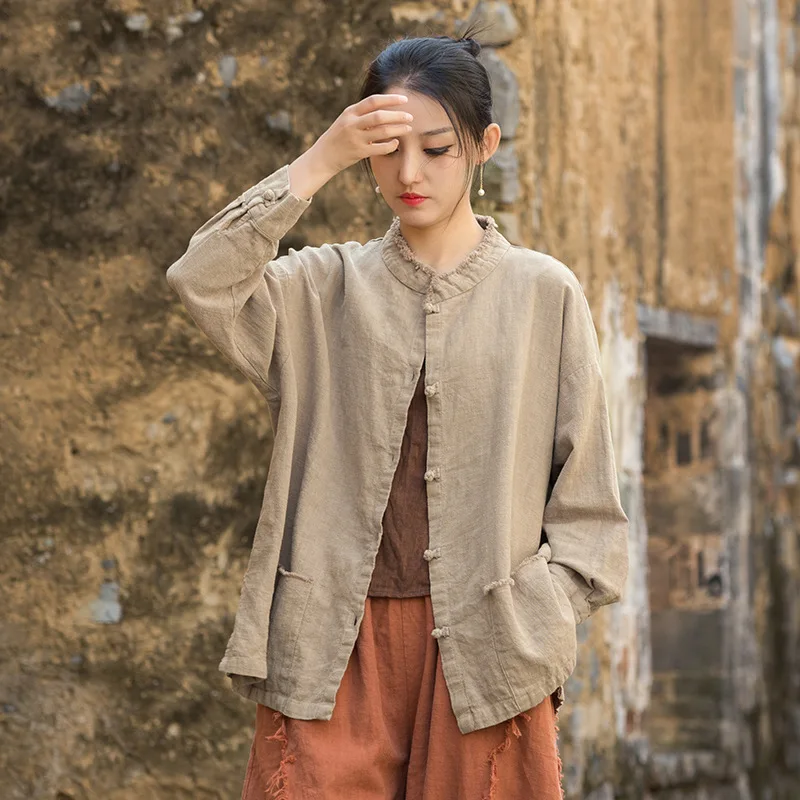
Choosing the right linen fabric requires a careful balance between function, aesthetics, and maintenance. The ideal fabric will depend on its intended use, texture, weave, and how much care it requires over time. Understanding these factors ensures that the selected linen meets both style and practical needs.
- Consider the Use: The purpose of the fabric is the first consideration. For clothing, fabrics that are lightweight, soft, and breathable are ideal, ensuring comfort and airflow in hot weather. Summer dresses, shirts, and casual wear benefit from fine, airy linens that feel gentle against the skin. For home textiles, durability and structure are more important. Fabrics that are textured, heavyweight, or blended provide resilience for items like upholstery, curtains, and decorative cushions, combining longevity with aesthetic appeal.
- Check the Texture and Weave: The texture and weave of linen determine both its appearance and functionality. Lightweight linen is perfect for flowing garments, summer dresses, and apparel where breathability is key. On the other hand, heavyweight or textured linen—such as basket weave or ribbed patterns—is better suited for upholstery, table linens, or home décor, where added structure and visual interest are desirable. Selecting the right weave ensures the fabric performs as intended while complementing the overall design.
- Care Requirements: Maintenance considerations are crucial for long-lasting linen. Pre-shrunk or stonewashed linen offers ease of care and helps prevent unwanted shrinkage. Fabrics blended with cotton, silk, or polyester provide wrinkle resistance, making them practical for busy lifestyles. Choosing linen that aligns with personal care preferences ensures longevity without compromising comfort or appearance.
Selecting linen involves weighing use, texture, weave, and care requirements to find a fabric that combines durability, style, and ease of maintenance. The right choice enhances both clothing and home textiles, ensuring a balance of beauty, comfort, and practicality.
Care Tips for Linen Fabrics

Proper care is essential to preserve the natural beauty, texture, and durability of linen fabrics. While linen is naturally strong, its fibers require mindful handling to maintain softness, prevent damage, and extend the lifespan of garments or home textiles.
- Washing: Linen should be washed with care to avoid shrinkage and maintain fiber integrity. Cold water or gentle machine washes are recommended, ideally using mild detergents that do not weaken the fibers. For organic or delicate linens, hand washing can further protect the material while retaining its natural softness and sheen.
- Ironing: Due to linen’s wrinkle-prone nature, ironing is often necessary to maintain a polished appearance. It is best to iron linen while it is slightly damp or use a high steam setting to smooth out creases without flattening the fabric’s natural texture. This method preserves both the fabric’s structure and its tactile charm.
- Drying: High heat can damage linen fibers and lead to shrinkage or stiffness. Air drying on a flat surface or a gentle line-dry is ideal, allowing the fabric to retain its softness and natural drape. Avoid wringing or twisting linen to prevent distortion of the fibers.
- Storing: Proper storage protects linen from moisture, sunlight, and environmental wear. Linen should be kept in a cool, dry place, ideally folded loosely or rolled to avoid permanent creases. Using breathable storage bags or containers helps prevent mildew and maintains the fabric’s longevity, supporting eco-friendly linen care practices.
With the right washing, ironing, drying, and storage techniques, linen fabrics can maintain their luxury feel, durability, and natural charm for years, ensuring garments and home textiles remain both functional and aesthetically pleasing.
FAQs About Types of Linen Fabrics Explained
Understanding linen can be tricky due to its variety of types, textures, and care requirements. The following FAQs address the most common questions, helping to clarify how different linen fabrics behave and which ones suit specific needs.
Do all linen fabrics wrinkle easily?
Pure 100% linen is naturally prone to wrinkles because of its low elasticity, which is part of its authentic charm. However, linen blends—such as linen-cotton or linen-polyester—significantly reduce wrinkling while maintaining the fabric’s breathability and texture. Choosing a blend can be ideal for garments or home textiles where a smoother appearance is desired.
Which linen is best for summer clothing?
For hot and humid conditions, lightweight and breathable linen fabrics are the top choice. Types like French linen or Irish linen offer soft textures, excellent airflow, and natural cooling properties. These fabrics ensure comfort in warm climates while maintaining a refined, stylish look for summer dresses, shirts, and casual wear.
Can blended linen fabrics replace pure linen?
Blended linens provide ease of maintenance, wrinkle resistance, and enhanced durability, making them practical alternatives to pure linen without compromising comfort. Fabrics like linen-silk or linen-polyester blends combine the natural charm of linen with additional benefits, suitable for both clothing and home textiles.
Are textured linens suitable for home textiles?
Absolutely. Textured linen fabrics—including ribbed, herringbone, damask, or basket weave—offer both aesthetic appeal and functional strength. They are ideal for upholstery, cushions, curtains, table linens, and decorative items, providing dimension, style, and long-lasting performance.
Conclusion
As Linaé, I hope this guide on Types of Linen Fabrics Explained helps you navigate the fascinating world of linen. From the luxurious Belgian linen to the versatile blends and textured fabrics, each type offers unique qualities for fashion and home use. Choosing the right linen depends on your preferences, intended use, and care routines.
Remember, linen is not only durable, breathable, and stylish, but also eco-friendly, making it a timeless choice for your wardrobe and living space. Next time you shop for linen, you’ll have the knowledge to select fabrics that are perfect for summer clothing, formal wear, or decorative home textiles. Whether it’s a soft French linen dress, a sturdy Irish linen shirt, or a stylish textured linen cushion, the right linen fabric will enhance comfort and elegance in your life.