Hi, I’m Linaé, and if you’ve ever struggled with staying comfortable in the scorching summer heat, you’re not alone. Hot weather can make everyday clothing feel suffocating, sticky, and just plain uncomfortable. Over the years, I’ve explored countless fabrics to find the ultimate summer solution, and nothing has impressed me more than linen. Known for its lightweight texture, breathability, and natural elegance, linen has been celebrated across centuries as the perfect fabric for warm climates.
In this comprehensive guide, I’ll explain why linen is the best fabric for hot weather with a science-backed approach. We’ll explore linen’s history, its unique fiber structure, thermal and moisture-wicking properties, the best types for different summer clothing, maintenance tips, and even comparisons with other fabrics. Whether you’re shopping for linen shirts, dresses, pants, or accessories, by the end of this guide, you’ll understand why linen deserves a permanent spot in your summer wardrobe.
What Is Linen?
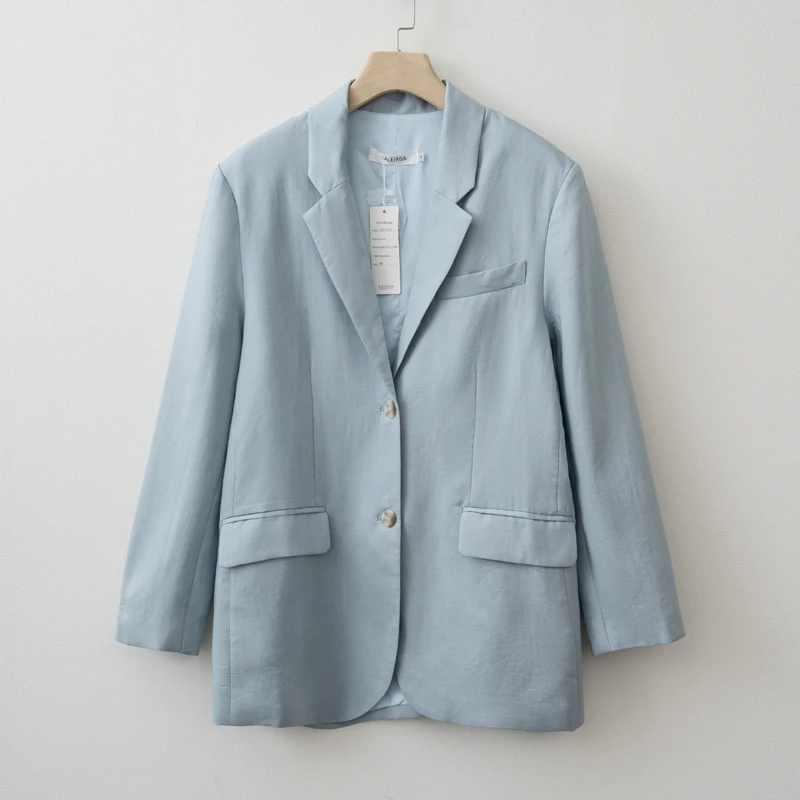
Linen has been valued for centuries as one of the most reliable fabrics for warm climates. Its unique combination of natural breathability, durability, and elegance makes it a go-to choice for summer wardrobes worldwide. Understanding its origin and varieties helps explain why linen consistently outperforms other fabrics in hot weather.
Definition and Origin
Linen is a natural fiber derived from the flax plant, cultivated for thousands of years for both its utility and comfort. The fibers are carefully extracted from the stalks of flax, spun, and woven into textiles that are not only durable but also highly breathable. Unlike synthetic alternatives, linen is fully eco-friendly, renewable, and sustainable, appealing to modern consumers who prioritize both comfort and environmental responsibility.
Historically, linen was the fabric of choice in hot and humid regions, including ancient Egypt and the Mediterranean, because of its superior ability to regulate body temperature. Even today, high-quality linen clothing is considered a summer essential across Europe, Asia, and tropical regions. Its lightweight fabric, soft texture, and natural fibers provide a cooling, comfortable experience that few other textiles can match.
Types of Linen
Linen comes in several varieties, each offering unique benefits depending on climate, usage, and personal preference. Selecting the right type can significantly enhance comfort and wearability in hot weather.
- 100% Linen: Pure linen is highly breathable, excellent at moisture-wicking, and naturally temperature-regulating. It’s ideal for those seeking maximum airflow and cooling during sweltering days.
- Linen-Cotton Blends: These blends combine linen’s natural cooling properties with cotton’s slight elasticity and softness. The result is a fabric that maintains breathability while being less prone to wrinkles, making it more practical for daily or professional wear.
- Belgian, French, and Irish Linen: Regional differences influence texture and weave. Belgian linen is renowned for its luxurious softness, French linen is lightweight and airy, perfect for summer garments, while Irish linen is prized for its robustness and durability, suitable for both clothing and home textiles.
- Textured Linen: This variation is often used in casual or fashion-forward clothing. The textured weave adds visual interest while retaining the natural breathability and comfort that linen is celebrated for.
Each type of linen delivers a combination of comfort, style, and practicality, which is why it remains a top choice for summer wear. Choosing the right variety depends on intended use, desired feel, and aesthetic preference.
Science Behind Linen’s Breathability
Linen’s reputation as the ultimate summer fabric is not just tradition—it’s backed by science. Its natural fiber structure and physical properties make it exceptionally suited for hot and humid climates. Understanding these mechanisms explains why linen consistently outperforms other fabrics in maintaining comfort during high temperatures.
Fiber Structure and Airflow
A key factor that makes linen the best fabric for hot weather is its unique fiber structure. Linen fibers are hollow and irregular, forming microscopic channels within the weave. These channels create natural pathways for air circulation, allowing heat to escape from the body efficiently. Unlike cotton or synthetic fabrics, which tend to trap heat, linen promotes continuous airflow, keeping the skin cooler and more comfortable.
This structural advantage is noticeable whether wearing a linen shirt during midday heat or a linen dress on a tropical vacation. The enhanced airflow prevents sweat accumulation, reduces stickiness, and maintains a dry, breathable sensation. Linen’s physical properties make it a fabric that actively supports cool summer outfits and hot climate clothing, rather than merely being lightweight.
Moisture-Wicking and Quick-Drying
Beyond airflow, linen excels at moisture management. Its fibers naturally absorb sweat and move it to the fabric’s surface, where it evaporates rapidly. This process keeps the wearer dry, unlike cotton, which can cling to the skin when damp, creating discomfort.
The quick-drying fabric properties of linen also make it ideal for humid conditions. Even on sticky, hot days, linen remains comfortable, preventing the clammy feeling that many other fabrics produce. This makes it a humidity-friendly fabric that can be worn confidently in tropical climates or warm summer seasons. By combining airflow with moisture-wicking abilities, linen becomes a fabric that actively supports temperature-regulating fabric performance, maintaining a comfortable microclimate next to the skin.
Thermal Regulation
Linen also offers a subtle but important thermal regulation property. While it keeps the body cool during extreme heat, it can retain just enough warmth during cooler evenings. This dual functionality is particularly beneficial in regions with fluctuating summer temperatures or during transitional seasons.
This adaptability means linen is not only ideal for everyday hot weather clothing, but also suitable for layered summer outfits when temperatures shift between day and night. The combination of breathable summer clothing, airflow, and moisture management positions linen as a scientifically superior choice for maintaining comfort and regulating body temperature naturally.
Linen’s unique fiber structure, combined with moisture-wicking, quick-drying, and thermal regulation properties, makes it scientifically the most effective fabric for hot climates. Its ability to facilitate airflow, manage sweat, and adapt to temperature changes ensures unmatched comfort, positioning linen as the premier choice for summer wardrobes.
Benefits of Linen in Hot Weather
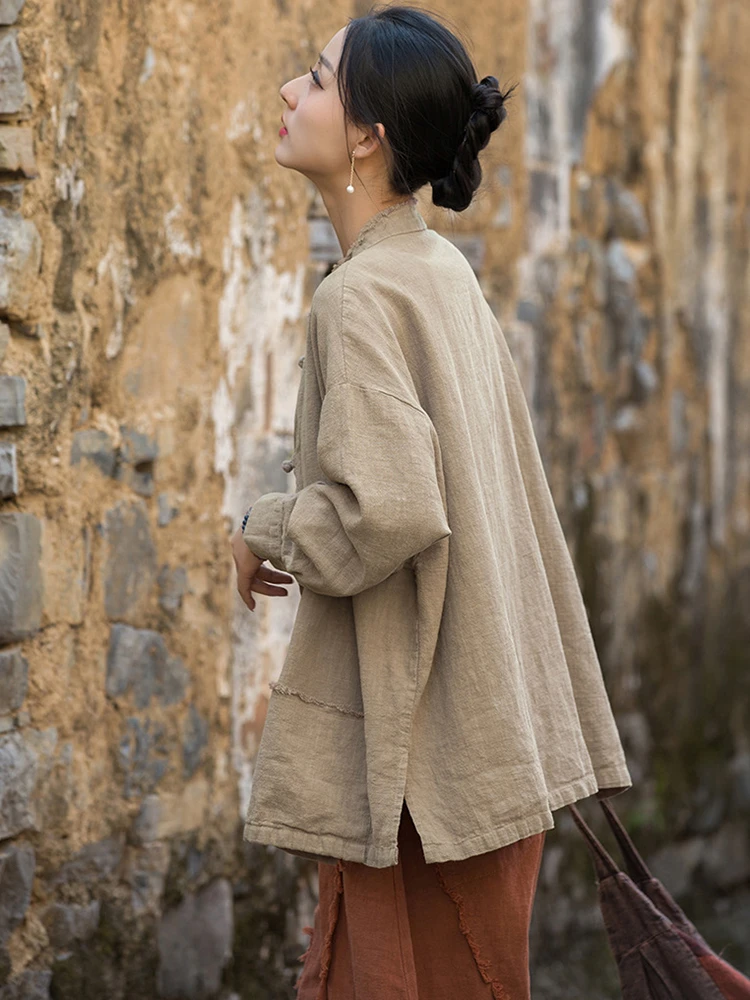
Linen is more than just a lightweight fabric; its combination of natural properties addresses multiple challenges of hot weather. From comfort and health benefits to long-term durability, linen provides a comprehensive solution for summer clothing, making it a preferred choice for centuries.
Comfort and Breathability
In summer clothing, comfort is the ultimate priority, and linen delivers unmatched performance. Its fibers create a lightweight and airy fabric that promotes continuous airflow, keeping the body cool even during peak heat. Unlike synthetic materials that trap moisture and heat, linen allows the skin to breathe naturally, reducing sweat accumulation and preventing the sticky sensation often experienced with polyester or nylon.
Whether choosing a short-sleeve linen shirt for casual outings, a long-sleeve summer top for office wear, or a flowy linen dress for leisure or vacation, the difference in comfort is immediately noticeable. Linen’s natural structure supports breathable summer clothing and airy summer outfits, providing a feeling of freshness and ease that enhances both daily wear and special occasions.
Health Benefits
Linen is inherently hypoallergenic, making it suitable for sensitive skin and those prone to irritation. The natural fibers allow the skin to breathe while minimizing friction and moisture buildup, which helps prevent rashes or discomfort during hot weather. Unlike synthetic fabrics that can cause heat rashes or exacerbate allergies, linen provides a skin-friendly option that is both safe and comfortable for extended wear.
Additionally, linen’s natural antibacterial properties contribute to hygiene and freshness, reinforcing its suitability as a natural fiber clothing choice for summer. This makes it ideal for anyone prioritizing breathable summer clothing that supports overall skin health.
Durability and Sustainability
High-quality linen is not only comfortable but also remarkably durable. Its fibers are stronger than cotton, resisting wear and tear even with frequent washing and summer activity. This longevity makes linen a smart investment for summer wardrobe essentials, as a well-maintained linen garment can last many years without losing shape or comfort.
From an environmental perspective, linen is eco-friendly and sustainable. Derived from renewable flax plants, it is fully biodegradable and requires fewer resources compared to cotton or synthetic fabrics. Choosing linen contributes to a more responsible wardrobe while maintaining performance, style, and functionality.
Linen combines comfort, health benefits, and longevity, making it uniquely suited for hot climates. Its lightweight, breathable nature keeps the body cool, its hypoallergenic fibers protect the skin, and its durability and sustainability make it a valuable addition to any summer wardrobe essentials. This trifecta of advantages explains why linen remains a preferred fabric for centuries in warm-weather regions.
Best Linen Clothing for Hot Weather
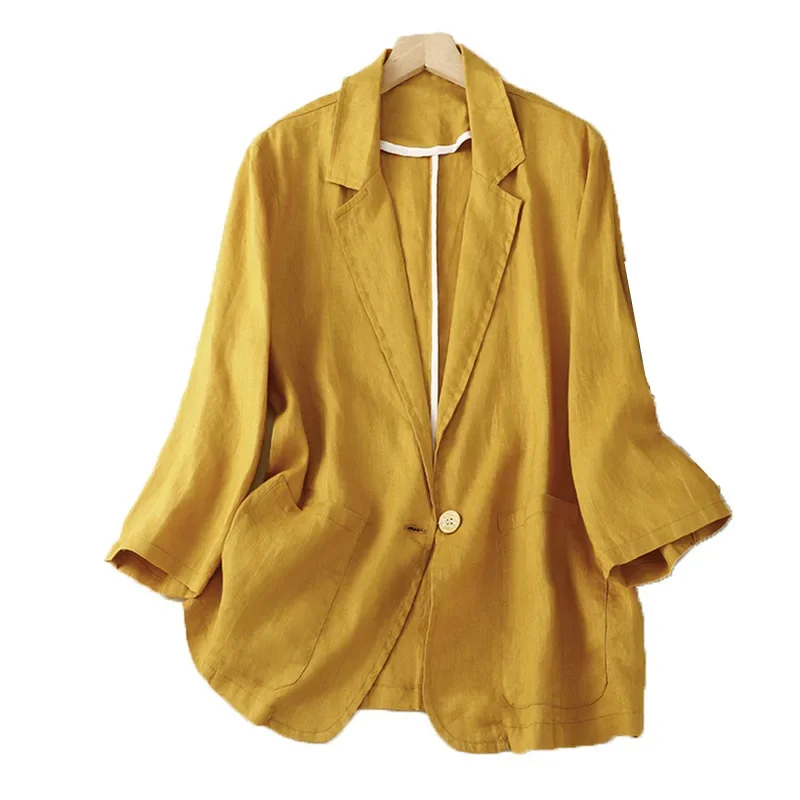
Choosing the right type of linen clothing is essential to fully benefit from its cooling and breathable properties. From everyday staples to vacation-ready outfits, linen offers versatile options that keep the wearer comfortable, stylish, and cool in any hot-weather scenario.
Linen Shirts
Linen shirts remain a cornerstone of summer wardrobes due to their unmatched combination of style and breathability. Short-sleeve linen shirts are perfect for casual outings, beach trips, or relaxed office environments, allowing maximum airflow around the body. Long-sleeve summer tops provide a slightly more formal option while still keeping the skin cool and comfortable.
For enhanced convenience, linen-cotton blends are worth considering. These fabrics reduce wrinkles and maintain a crisp appearance without sacrificing the cool summer outfit feel that pure linen provides. Linen shirts are ideal for layering or wearing solo, offering versatility for a wide range of hot climate clothing needs.
Linen Dresses and Tops
For women, linen dresses and lightweight tops offer flowy, airy comfort perfect for tropical climates, vacations, or casual summer events. The lightweight fabric allows for natural ventilation, preventing overheating while maintaining an elegant silhouette.
These pieces are often considered summer wardrobe essentials, as they combine functionality with a sense of effortless style. Linen dresses and tops work well in resort wear, city strolls, or seaside holidays, supporting a breathable summer clothing approach that prioritizes comfort and style simultaneously.
Linen Pants and Shorts
Linen pants are a versatile choice, suitable for casual settings, semi-formal summer events, or office environments in warm climates. They provide coverage while still maintaining airflow, making them ideal for hot climate clothing.
Linen shorts, on the other hand, are perfect for peak summer days when maximum cooling is required. Pairing linen pants or shorts with linen tops creates a complete breathable summer outfit that is both stylish and functional. The natural drape and lightweight fabric contribute to freedom of movement and an overall fresh, comfortable experience.
Linen Accessories
Even smaller items like linen scarves, hats, and lightweight jackets enhance comfort in hot weather. Linen accessories add an extra layer of cooling and breathability without adding bulk. They are particularly useful in tropical climates or vacation clothing ensembles, providing protection from sun exposure while maintaining a fresh, breathable summer look.
Every piece of linen clothing, including accessories, benefits from the natural fiber’s properties, ensuring that tropical weather fabric needs are met without compromising style or comfort.
From shirts and dresses to pants, shorts, and accessories, linen clothing offers a combination of comfort, breathability, and style that is difficult to match. Its natural fibers, lightweight texture, and versatile designs make it a must-have for hot climate clothing, ensuring a fresh, airy, and comfortable summer wardrobe.
Maintenance and Care for Linen

Proper care is essential to preserve linen’s unique qualities, including its breathability, durability, and lightweight feel. Understanding the right washing, drying, storage, and handling techniques ensures linen garments remain comfortable, stylish, and long-lasting, making them a smart investment for any summer wardrobe essentials.
Washing and Drying
Maintaining linen begins with careful laundering. Wash linen garments in cold water using a gentle cycle to protect the fibers and prevent unnecessary wear. Avoid high-temperature drying, as heat can shrink the fabric and compromise its natural texture.
Linen is inherently naturally wrinkle-prone, which adds to its relaxed and casual aesthetic. Slight creasing should not be seen as damage; instead, it enhances the authentic summer wardrobe essentials look. Using mild detergents and avoiding harsh chemicals preserves both the fabric’s softness and its structural integrity, ensuring garments remain easy care linen pieces for years.
Ironing and Storage
Ironing linen is optional and largely depends on the desired appearance. Many embrace linen’s natural wrinkles for a relaxed, effortless summer style. If a crisper look is needed, iron on low heat while the fabric is slightly damp to prevent damage.
Proper storage is equally important. Linen garments should be folded or hung carefully to maintain shape and avoid unnecessary creases. When stored correctly, linen retains its lightweight fabric quality and continues to provide breathable summer clothing comfort season after season.
Longevity Tips
Maximizing the lifespan of linen involves mindful usage. Rotate linen pieces in your wardrobe to prevent excessive wear on any single item. Handle fabrics gently and avoid harsh detergents or bleaching agents that can degrade fibers over time.
High-quality linen, when properly cared for, can last many years without losing its texture, softness, or structural integrity. This combination of durability and sustainable characteristics ensures that linen remains a long-lasting, eco-friendly fabric choice for all summer attire.
Proper washing, drying, ironing, and storage techniques are key to maintaining linen’s durability, lightweight feel, and natural charm. By embracing its wrinkle-prone nature and following gentle care practices, linen garments continue to provide comfortable, breathable summer clothing that is stylish, sustainable, and long-lasting.
Comparison With Other Fabrics
Choosing the right fabric for hot weather is crucial for comfort, breathability, and overall performance. While many materials are commonly used in summer clothing, linen stands out due to its unique combination of natural properties that other fabrics often lack.
When compared to cotton, linen has a clear advantage in moisture management. While cotton absorbs sweat effectively, it dries slowly, which can leave the skin feeling damp and sticky. Polyester and synthetic blends, on the other hand, often trap heat and limit airflow, creating a stifling, uncomfortable sensation during hot days.
Linen’s breathable material, moisture-wicking fabric, and temperature-regulating properties allow it to maintain a consistently comfortable microclimate next to the skin. These characteristics not only enhance physical comfort but also contribute to skin health and overall summer ease. For anyone seeking hot climate clothing that performs under intense heat and humidity, linen remains the scientifically superior choice.
Compared to cotton, polyester, and synthetic blends, linen excels in keeping the body cool, dry, and comfortable. Its natural fibers, airflow, and moisture management make it the best-performing fabric for summer wardrobes in hot climates.
FAQs About Linen in Hot Weather
Understanding common concerns about linen can help maximize comfort and style during hot weather. These frequently asked questions address practicality, styling, and climate-specific choices for linen garments.
Do linen clothes wrinkle easily?
Yes, particularly with 100% linen, natural wrinkles are common due to the fiber’s low elasticity. However, these creases are part of linen’s authentic charm, creating a relaxed and effortlessly stylish summer aesthetic. Embracing natural wrinkles enhances airflow and keeps the fabric lightweight, making it ideal for airy summer outfits.
Can linen be worn for formal summer events?
Absolutely. Linen-cotton blends are especially suited for semi-formal occasions because they maintain linen’s cooling and breathable qualities while offering added structure and wrinkle resistance. These fabrics allow for polished, professional looks without sacrificing comfort, making them ideal for office wear, garden parties, or summer weddings.
How to choose the right linen type for my climate?
For extreme heat or humid conditions, lightweight 100% linen or French linen provides maximum airflow and moisture-wicking performance. For milder summers or situations requiring slightly more structure, linen-cotton blends or Irish linen offer durability and wrinkle resistance while still maintaining a breathable, cool feel. Selecting the appropriate linen type ensures optimal comfort and style in any climate.
Conclusion
As Linaé, I’ve explored fabrics from cotton to synthetics, but linen remains unmatched. Its breathable material, moisture-wicking capabilities, lightweight fabric, and thermal regulation properties make it scientifically the best fabric for hot weather clothing. Whether you’re wearing linen shirts, dresses, pants, or accessories, it ensures comfort, style, and sustainability. For your next summer wardrobe, I highly recommend investing in high-quality linen pieces. Embrace the airy summer fashion, enjoy the cool summer outfits, and experience firsthand why linen is the best fabric for hot weather. Your skin and your style will thank you.