Hi there! I’m Linaé, and if you’ve ever struggled with choosing the perfect summer outfit, you’re not alone. The sweltering heat can make even the simplest day feel unbearable, and that’s when the fabric of your clothing truly matters. Many people assume cotton is the ultimate summer fabric, but after years of testing, I’ve discovered the remarkable cooling properties of linen. In this guide, I’ll explain why linen keeps you cooler than cotton and dive into everything from fabric structure to moisture-wicking abilities, all while helping you make smart choices for hot weather comfort.
Whether you’re shopping for linen summer clothing, wondering about breathable fabrics for summer, or comparing natural fabrics for hot weather, this guide has you covered. By the end, you’ll understand the science behind linen thermoregulation, why its fiber structure promotes airflow, and why cotton, though popular, sometimes falls short in extreme heat.
Understanding Fabric Breathability
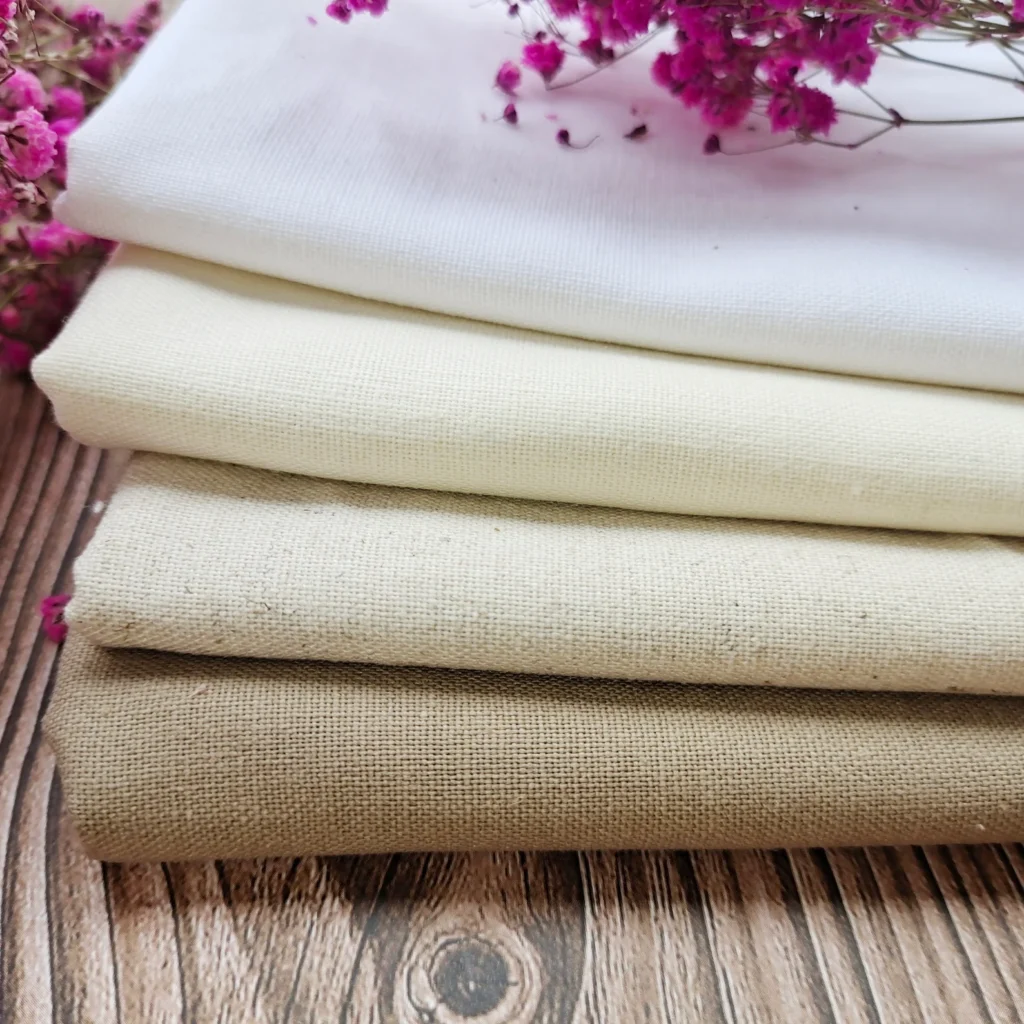
Fabric breathability is one of the most critical factors in determining summer comfort. How well a fabric allows air and moisture to move through it directly impacts not only perceived heat but also overall body regulation. For anyone selecting fabrics for hot weather, understanding breathability is essential to making informed clothing choices.
What is Breathability in Fabrics?
Breathability refers to a fabric’s capacity to permit air and moisture to pass through its fibers and weave. A truly breathable fabric prevents heat from becoming trapped against the skin and allows sweat to evaporate efficiently, providing a natural cooling effect.
The science behind breathability lies in fiber structure and fabric density. Looser weaves and thicker, more rigid fibers create microscopic channels that facilitate airflow, whereas denser fabrics trap warm air, reducing comfort. In practical terms, breathability acts like an internal ventilation system within clothing, allowing the body to maintain a stable temperature even in high heat or humidity.
How Breathability Affects Body Temperature?
The human body naturally cools itself through sweat evaporation. When fabrics trap moisture, this cooling mechanism becomes less effective, leaving the wearer feeling hot and sticky. Fabrics with high breathability, such as linen, feature small gaps between fibers that enable both air circulation and rapid moisture evaporation. This dual action ensures more consistent temperature regulation and prevents overheating.
Cotton, while naturally absorbent, retains moisture longer due to its dense fiber structure. This can slow evaporation and reduce the cooling effect, especially in humid climates. Linen, by contrast, wicks moisture away from the skin more efficiently, making it a superior choice for hot weather. The difference may seem subtle at first but becomes noticeable over extended wear in the sun.
By understanding how fabrics breathe, it becomes clear why certain materials outperform others in heat management. Choosing fabrics with superior airflow and moisture-wicking properties ensures sustained comfort, particularly during hot or humid conditions
Linen vs Cotton: Fiber Structure and Cooling Effect
Understanding the intrinsic properties of fibers is key to grasping why linen consistently outperforms cotton in hot weather. Fiber structure, density, and weave all influence how fabrics manage heat and moisture, directly impacting comfort during prolonged exposure to sun and humidity.
Linen Fiber Structure
Linen is derived from flax fibers, known for their natural rigidity and thickness. Unlike softer fibers, these rigid strands create microscopic channels within the weave, allowing air to flow freely. This structural design is what gives linen its airy texture and remarkable cooling effect, even in direct sunlight.
The natural wrinkles in linen further enhance airflow by creating subtle elevations in the fabric surface, which promotes heat dissipation. Beyond comfort, linen is celebrated for its longevity—high-quality linen garments can last 20 years or more with proper care, making it both a practical and sustainable fabric choice.
Cotton Fiber Structure
Cotton fibers are soft, flexible, and densely packed, which contributes to their smooth hand-feel and initial comfort. However, this density can limit airflow, causing heat to become trapped next to the skin. Cotton absorbs moisture effectively, but its tight fiber arrangement retains water longer, slowing evaporation and reducing the cooling effect compared to linen.
In humid conditions, this distinction becomes pronounced. While cotton garments may feel cozy for short periods, prolonged wear can result in a clingy, warmer sensation, particularly when compared to linen’s superior airflow and rapid moisture release.
Direct Comparison: Linen vs Cotton
The table below highlights the key differences in fiber structure and performance between linen and cotton, emphasizing why linen is often preferred for hot weather.
| Feature | Linen | Cotton |
|---|---|---|
| Fiber Structure | Thick, rigid fibers with micro gaps for airflow | Soft, dense fibers with tighter weave |
| Airflow | High, promotes natural ventilation | Moderate, can trap heat |
| Moisture Absorption | Absorbs quickly and releases rapidly | Absorbs effectively but retains longer |
| Cooling Effect | Superior, keeps body temperature regulated | Moderate, may feel warmer over time |
| Durability | Very durable, long-lasting | Less durable, wears out faster |
| Ideal Summer Comfort | Excellent for prolonged heat and humidity | Good for moderate heat conditions |
Fiber structure and weave are fundamental factors in determining a fabric’s ability to keep the body cool. Linen’s combination of rigidity, micro-gaps, and rapid moisture release consistently gives it an edge over cotton in maintaining comfort and thermal regulation during hot weather.
Why Linen Feels Cooler in Hot Weather?
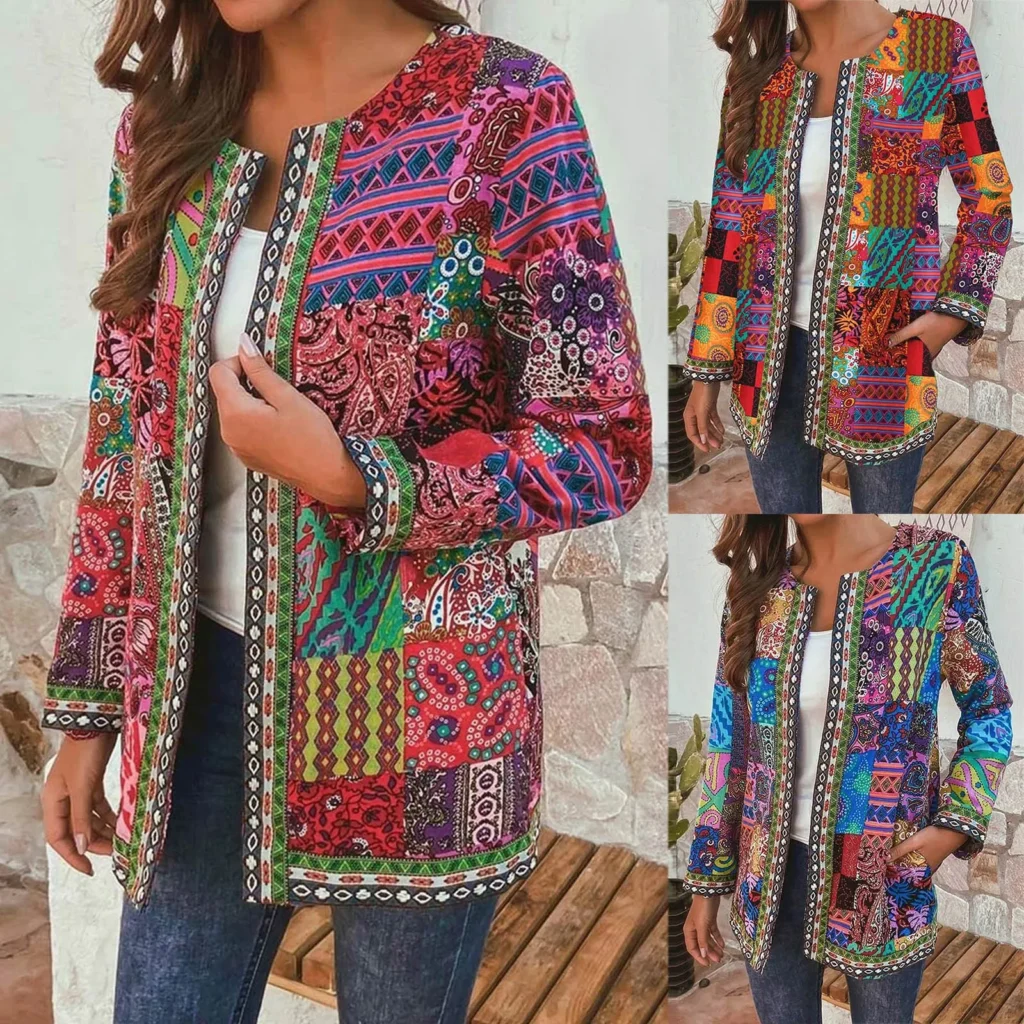
Choosing the right fabric for summer goes beyond personal preference—it directly affects comfort and body temperature regulation. Linen stands out for its unique combination of fiber properties that make it exceptionally suited for hot and humid climates.
Natural Moisture-Wicking Properties
A defining characteristic of linen is its natural moisture-wicking ability. Linen fibers can absorb up to 20% of their weight in water without feeling wet or heavy, allowing sweat to be pulled away from the skin and evaporated quickly. This mechanism creates a consistent cooling effect, making outdoor activities more comfortable and reducing the risk of overheating.
Cotton, while also absorbent, tends to retain moisture longer, which can leave the fabric feeling damp and clingy. This delayed evaporation reduces the cooling benefit and can make prolonged exposure to heat uncomfortable. Linen’s ability to handle moisture efficiently is particularly advantageous for tropical or humid climates, where rapid drying and air circulation are essential for maintaining thermal comfort.
Lightweight and Airy Texture
The lightweight nature of linen fibers, combined with a relatively loose weave, enables superior airflow throughout the fabric. Even thin linen garments allow warm air to escape and cooler air to circulate, reducing heat buildup on the skin.
This structural advantage explains why a lightweight linen shirt can feel cooler than a thicker cotton alternative. The airy texture also makes linen highly versatile for various summer clothing items such as shirts, dresses, pants, and shorts. These garments are particularly popular in tropical climates, where linen summer clothing offers a practical balance between style and performance.
Thermoregulation and Summer Comfort
Linen functions as a natural temperature regulator. Its combination of fiber rigidity, moisture management, and breathability allows it to keep the body cool during hot days and slightly insulated during cooler evenings. This dual ability contributes to sustained summer comfort, making linen a preferred choice for both everyday wear and travel in variable climates.
The synergy of moisture-wicking, airflow, and lightweight texture positions linen as one of the most effective natural fabrics for hot weather, outperforming cotton in prolonged heat exposure while maintaining a stylish, breathable silhouette.
Linen’s natural moisture management, airy texture, and thermoregulation make it a fabric that not only feels cooler but also enhances overall comfort during summer. These characteristics explain its enduring popularity and superiority over cotton in hot weather garments.
Practical Tips for Wearing Linen in Hot Weather
Choosing the right linen garments and caring for them properly can significantly enhance comfort and longevity. Understanding how fiber type, fit, and maintenance affect performance ensures that linen delivers its full cooling potential in hot weather.
Choose Pure Linen or Blends Wisely
Pure linen offers maximum breathability and rapid moisture-wicking, making it ideal for extreme heat and prolonged wear. Linen-cotton blends, while slightly less airy, reduce wrinkling and improve softness, which may be preferred for office or casual urban settings. Selecting the right combination depends on the balance between comfort, style, and practicality for your daily activities.
Opt for Loose-Fitting Styles
Garments with relaxed cuts, such as oversized shirts, flowy dresses, and wide-leg pants or shorts, enhance air circulation and minimize skin contact, allowing heat and sweat to dissipate effectively. Tight-fitting linen may reduce breathability, while loose silhouettes maximize the fabric’s natural cooling properties.
Stick to Light Colors
Light-colored linen fabrics reflect sunlight rather than absorb it, helping to maintain lower body temperature in bright, sunny conditions. Whites, pastels, and light neutrals are particularly effective, while darker colors can offset some of linen’s cooling advantages.
Care for Your Linen
Proper maintenance preserves linen’s breathability, texture, and longevity. Wash in cold or lukewarm water with mild detergents, and hang to dry naturally. Avoid heavy ironing—light wrinkles are a characteristic feature of linen and contribute to its airy texture. Occasional gentle steaming can smooth fabrics without compromising fiber structure.
Recommended Clothing Types
For optimal summer comfort, select linen garments that combine breathability, fit, and coverage. Key items include:
- Linen shirts and blouses
- Linen pants and wide-leg trousers
- Linen shorts and skirts
- Linen summer dresses
- Lightweight linen layering pieces, like vests or kimono-style jackets
By following these tips, linen can be worn effectively in any hot climate, combining comfort, practicality, and natural elegance without compromising its cooling benefits.
Common Misconceptions About Linen
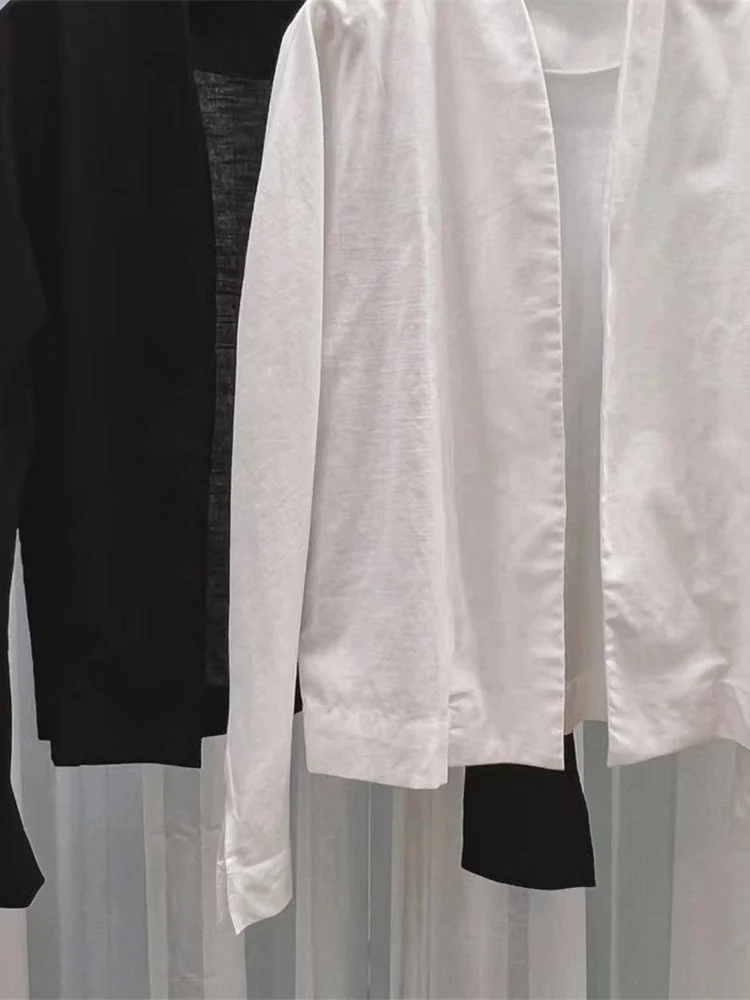
Despite its long history and popularity, linen is often misunderstood. Addressing these misconceptions helps clarify why linen remains one of the best fabrics for hot weather, combining style, comfort, and natural cooling properties.
- Linen Wrinkles Easily: It is true that linen wrinkles more readily than many other fabrics. However, these wrinkles are a natural feature of the fiber and do not compromise comfort or breathability. In fact, the slight texture created by wrinkles can enhance airflow across the skin, contributing to its cooling effect. Modern styling often embraces this relaxed, slightly crumpled appearance as part of linen’s charm, especially in summer clothing.
- Linen is Stiff: While traditional linen can feel rigid, modern weaving techniques and linen-cotton blends have significantly softened the fabric without sacrificing air circulation. Even pure linen can become more supple over time and with proper washing, maintaining its lightweight, breathable qualities. The perceived stiffness is often mistaken for durability, but it is actually a sign of quality fibers that support long-lasting wear.
- Cotton is Always Cooler: A common myth is that cotton is the ultimate cooling fabric. Dense cotton weaves can actually trap heat and moisture, reducing their effectiveness in high temperatures. Linen’s natural fiber structure and airflow give it superior performance for regulating body temperature, making it the better choice for hot and humid conditions. While cotton may be comfortable for casual use or mild climates, linen consistently outperforms it in prolonged heat exposure.
Understanding these points highlights why linen is not only practical but also highly efficient at maintaining comfort in summer, dispelling common myths that often discourage people from choosing it.
Additional Benefits of Linen Beyond Cooling
Beyond its exceptional cooling properties, linen offers a range of benefits that make it a superior choice for both summer wear and sustainable fashion. Its unique combination of durability, eco-friendliness, and timeless style extends its appeal far beyond basic comfort.
- Durability: Linen is one of the most long-lasting natural fabrics available. Its thick, strong fibers resist wear and tear far better than cotton, allowing garments to maintain their structure and appearance over many years. Proper care, such as gentle washing and air drying, can extend the lifespan of linen clothing for decades. This durability makes linen an economical and eco-conscious choice, reducing the frequency of replacements.
- Sustainability: Linen is produced from flax plants, which require significantly less water and pesticides compared to cotton. The manufacturing process is more environmentally friendly, and linen fibers are biodegradable, contributing less to landfill waste. Choosing linen supports sustainable fashion practices without sacrificing comfort or style, making it an ideal fabric for those seeking eco-friendly textiles for hot weather.
- Style Versatility: The natural texture and subtle sheen of linen lend garments an elegant yet casual aesthetic. Linen adapts well to a variety of clothing styles, from flowy summer dresses and relaxed pants to tailored shirts and blouses. Its versatility allows for effortless layering and styling, making it suitable for both casual outings and semi-formal occasions. This combination of function and fashion reinforces linen’s status as a timeless summer wardrobe staple.
By combining durability, sustainability, and style versatility, linen proves itself as more than just a cooling fabric—it is a practical, eco-friendly, and stylish choice that enhances both comfort and long-term value in a summer wardrobe
FAQs About Linen in Hot Weather
Even experienced clothing enthusiasts often have questions about linen. This FAQ section addresses common concerns regarding linen’s comfort, care, and performance in hot climates, providing practical guidance for making the most of this versatile fabric.
Does 100% linen wrinkle too much for everyday wear?
Yes, pure linen naturally wrinkles due to its low elasticity. However, these wrinkles are part of linen’s aesthetic charm and do not compromise comfort or breathability. For a slightly more polished look, linen-cotton blends can reduce wrinkling while still maintaining a reasonable level of airflow, offering a balance between appearance and cooling performance.
Is linen better than cotton for tropical climates?
Absolutely. Linen’s fiber structure allows superior airflow, and its moisture-wicking properties help sweat evaporate quickly, making it ideal for hot, humid conditions. Compared to cotton, linen keeps the skin cooler and drier over extended periods of wear, which is especially beneficial in tropical or subtropical climates.
Can linen-cotton blends maintain breathability?
Yes, but there is a slight trade-off. Blending cotton with linen improves softness and reduces wrinkles, but it slightly decreases airflow and cooling efficiency. These blends are still highly breathable and comfortable for hot weather, making them suitable for daily use when both style and ease of maintenance are priorities.
How should linen clothes be cared for during summer?
To preserve linen’s breathability, texture, and longevity, wash garments in cold or lukewarm water with a mild detergent. Air-drying is recommended to maintain fiber integrity. Avoid heavy ironing; light wrinkles are natural and contribute to the airy texture that enhances cooling. Occasional gentle steaming can smooth the fabric without compromising its natural characteristics.
Conclusion
As Linaé, I’ve spent years experimenting with summer fabrics, and the evidence is clear: linen keeps you cooler than cotton. From its fiber structure that promotes airflow to its moisture-wicking properties and lightweight texture, linen is unmatched for hot weather comfort. Next time you plan your summer wardrobe, consider swapping cotton for linen summer clothing. Not only will you feel cooler and more comfortable, but you’ll also enjoy a fabric that is durable, sustainable, and stylish. Remember, hot weather doesn’t have to mean sweat and discomfort—choose linen, and let your clothing work with your body to stay naturally cool