Linaé still remembers the first linen dress she ever owned—an ivory midi worn on a summer trip by the coast. Freshly steamed, it looked effortless. But by midday, after walking and sitting under the sun, soft creases began to appear. She paused and wondered, why does linen wrinkle so easily?
Over time, Linaé realized those wrinkles weren’t flaws. They reflected movement, comfort, and breathability—exactly what linen is meant for. If you’ve ever asked yourself “Why linen wrinkles easily?”, you’re not alone. Many assume wrinkles signal poor quality, when in fact they are a natural and defining characteristic of linen fabric. In this guide, we’ll explore why linen wrinkles easily, the science behind its fibers, and why these wrinkles are not only unavoidable—but actually stylish.
What Is Linen Fabric? Understanding the Basics?
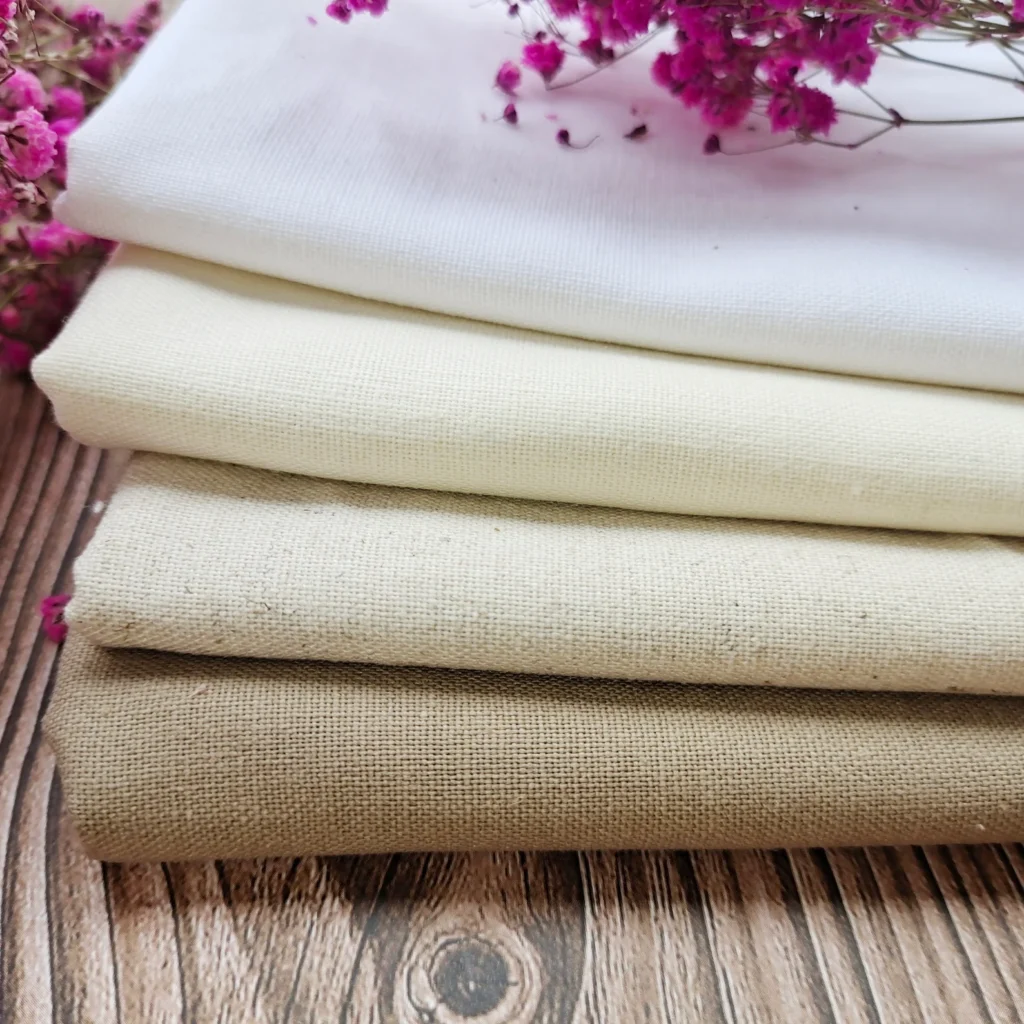
Before exploring why linen wrinkles so easily, it’s important to understand what linen fabric actually is and how its natural structure influences the way it looks, feels, and performs in daily wear. Linen is not just another summer fabric—it is a textile with centuries of history and distinct physical properties that directly affect its tendency to wrinkle.
Where Linen Comes From?
Linen is one of the oldest known textiles in the world, crafted from the fibers of the flax plant. Unlike synthetic fabrics or heavily engineered materials, linen is produced from natural cellulose fibers, which are extracted from the stalks of flax rather than chemically synthesized.
The production process begins with harvesting mature flax plants, followed by retting—a controlled method of separating fibers from the stalk. These fibers are then dried, combed, spun into yarn, and finally woven into fabric. This relatively low-intervention process preserves much of the fiber’s original structure, strength, and rigidity.
Because flax fibers remain largely intact throughout production, linen retains its natural stiffness, low elasticity, and visible texture. These inherent qualities are central to how linen behaves over time, especially when exposed to movement, moisture, and pressure—key factors that contribute to wrinkling.
Key Characteristics of Linen Fabric
To fully understand why linen wrinkles easily, it helps to look closely at the defining characteristics that set it apart from other fabrics:
- Breathable natural fabric: Linen’s open fiber structure allows air to circulate freely, helping regulate body temperature and making it ideal for warm and humid climates.
- Highly moisture-absorbent fibers: Linen can absorb significant moisture without feeling damp, which enhances comfort but also softens fibers and encourages crease formation.
- Low elasticity compared to other fabrics: Linen fibers lack natural stretch, meaning they do not easily return to their original shape after bending or compression.
- Strong tensile strength despite a lightweight feel: Linen is exceptionally durable for its weight, resisting wear and tear even as it softens with age and repeated washing.
- Naturally textured surface with a relaxed appearance: The visible slubs and irregularities in linen yarn create a distinctive texture that highlights folds and creases rather than hiding them.
These combined properties explain why linen is widely used in summer dresses, shirts, trousers, and resort wear. They also clarify why linen fabric wrinkles more noticeably than many alternatives—wrinkling is not a flaw, but a natural outcome of linen’s structure and performance-driven design.
Why Linen Wrinkles Easily: The Science Behind the Fabric
To truly understand why linen wrinkles easily, it’s necessary to look beyond surface-level explanations and examine the physical and molecular structure of the fibers themselves. Linen’s wrinkling behavior is not accidental—it is the predictable result of how flax fibers are built, arranged, and engineered by nature.
Linen Fiber Structure and Low Elasticity
At the heart of the question “why does linen wrinkle so easily?” lies fiber elasticity, or more precisely, linen’s inherent lack of it.
Linen fibers are naturally rigid, stiff, and inelastic. Unlike synthetic fibers such as polyester—which are designed to stretch and quickly return to their original shape—linen fibers offer minimal flexibility. When external pressure is applied through everyday actions such as sitting, bending, or folding, the fibers deform but struggle to rebound. As a result, linen exhibits several distinct behaviors:
- Poor wrinkle recovery, meaning creases do not release on their own
- Strong crease retention, causing folds to remain visible
- Wrinkles that persist until relaxed with moisture, steam, or heat
In textile science, linen is consistently classified as a low elasticity fabric, a defining characteristic that directly explains why wrinkling occurs so easily and so visibly.
The Role of Cellulose and Molecular Structure
Beyond elasticity, linen’s wrinkling tendency is also shaped by its cellulose-based molecular structure. Linen fibers are composed primarily of cellulose molecules arranged in a highly crystalline pattern. This organized structure contributes to linen’s exceptional strength and durability, but it also limits flexibility at a microscopic level. Because of this crystalline arrangement:
- Linen has limited fabric memory, making it slow to recover from deformation
- Creases form sharply and distinctly, rather than softly
- The fabric resists smoothing itself without external intervention
In practical terms, linen tends to “lock in” folds and bends. Once a crease forms, the fiber structure reinforces it, rather than relaxing it naturally.
Why Linen Holds Creases Better Than Other Fabrics?
When compared to cotton or synthetic textiles, linen fibers behave very differently under stress. Linen fibers are generally:
- Longer and stiffer than cotton fibers
- Significantly less elastic than both cotton and synthetics
- More resistant to reshaping once pressure is applied
These characteristics explain why linen wrinkles often appear more defined, linear, and structured, rather than soft or diffused. They also clarify an important misconception: high-quality linen wrinkles just as easily as lower-grade linen. Wrinkling is not a manufacturing flaw or a sign of inferior fabric—it is an intrinsic outcome of linen’s fiber composition.
How Moisture, Heat, and Movement Cause Linen to Wrinkle?
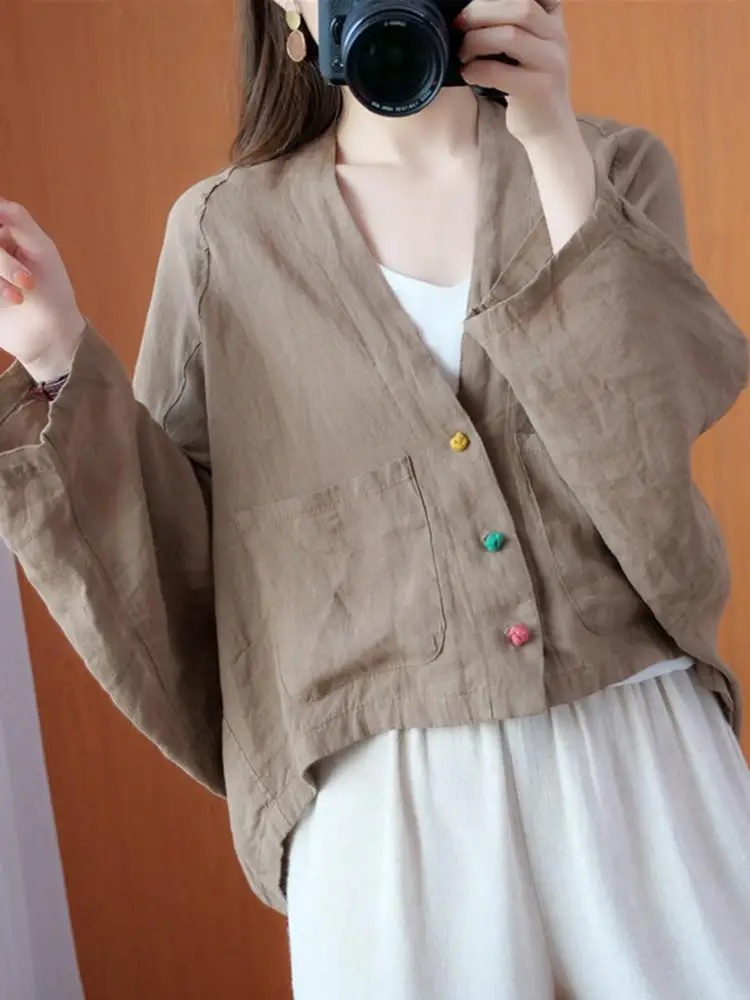
Beyond fiber structure, linen’s tendency to wrinkle is strongly influenced by external conditions. Moisture, heat, and physical movement interact with linen’s rigid fibers in ways that make creasing almost inevitable, especially during real-life wear in warm environments.
Moisture Absorption and Humidity
Linen is widely recognized for its exceptional moisture absorption capacity, capable of absorbing up to 20% of its own weight in moisture without feeling wet to the touch. This characteristic is a major reason linen is favored in hot and humid climates—but it also plays a direct role in wrinkle formation. When linen absorbs moisture from:
- High humidity in the air
- Perspiration during wear
- Washing or air-drying processes
…the fibers temporarily soften and become more pliable. In this softened state, linen fibers are easier to bend, fold, and compress. As the fabric dries, these newly formed bends harden into place, resulting in visible creases.
This interaction explains why humidity and linen wrinkles are closely linked, and why linen garments often wrinkle more quickly in warm, damp conditions than in dry environments.
Body Heat, Sitting, and Daily Wear
Wrinkles in linen are not caused by laundering alone; in fact, they develop most noticeably during regular wear. Linen responds directly to body heat and repeated movement, which gradually relax the fibers and reduce their resistance to deformation. Common daily actions that accelerate wrinkling include:
- Sitting for extended periods, especially on firm surfaces
- Walking, bending, and natural body motion
- Body heat softening the fabric throughout the day
- Pressure points at areas such as the waist, hips, elbows, and knees
These factors explain why linen garments often appear smooth when first worn, yet develop pronounced wrinkles as the day progresses. The fabric reflects movement and contact rather than resisting it.
Does Linen Wrinkle More Than Other Fabrics?
Comparing linen with other common textiles helps clarify whether its tendency to wrinkle is unusual or simply different. When placed alongside cotton and synthetic fabrics, linen’s behavior becomes easier to understand—and far less surprising.
Linen vs Cotton Wrinkles
Linen and cotton are both natural, plant-based fibers, yet their physical structures differ in important ways that affect wrinkling. Cotton fibers are generally:
- Shorter and finer in length
- Softer in texture
- More elastic and flexible
Because of these characteristics, cotton can bend and compress more easily without holding sharp creases. When wrinkles do form, cotton fibers are more capable of relaxing back into shape, especially with body heat or light movement.
In contrast, linen fibers are longer, stiffer, and less elastic. This makes linen vs cotton wrinkles a common point of comparison, with linen almost always creasing more visibly and more structurally. The wrinkles in linen tend to appear sharper and more defined, while cotton wrinkles often look softer and less pronounced.
Linen vs Synthetic Fabrics
Synthetic fabrics such as polyester are engineered with wrinkle resistance as a primary goal. These materials contain elastic polymers that allow the fabric to stretch, flex, and quickly return to its original form after pressure is applied.
This design gives synthetic fabrics a clear advantage in terms of appearance, but it also introduces trade-offs, including:
- Reduced breathability, particularly in warm weather
- Heat retention, which can compromise comfort
- A smoother, less natural texture that lacks depth and character
As a result, the comparison between natural fibers vs synthetic fibers often comes down to priorities. Linen offers superior airflow, moisture management, and tactile richness, while synthetic fabrics prioritize a consistently smooth, wrinkle-resistant finish.
Linen does wrinkle more than cotton and most synthetic fabrics, but this difference reflects a fundamental contrast in fiber structure and purpose. Linen favors comfort, breathability, and natural texture, while other materials are designed to maintain a polished appearance with minimal creasing.
Is Wrinkled Linen a Sign of Poor Quality?
Wrinkles are often misunderstood, especially in the context of natural fabrics. When it comes to linen, visible creasing is frequently mistaken for a flaw, even though it is one of the most consistent and predictable characteristics of the material.
Why High-Quality Linen Still Wrinkles?
One of the most persistent misconceptions about linen is the belief that wrinkles signal poor craftsmanship or inferior fabric. In reality, high-quality linen wrinkles just as easily as lower-grade linen, and in many cases, it wrinkles more evenly and gracefully.
Wrinkling in linen is not caused by:
- Cheap or careless manufacturing processes
- Loose or poorly executed weaving
- Inferior or damaged fibers
Instead, wrinkling is a direct result of linen’s natural fiber structure, particularly its low elasticity and rigid cellulose composition. These properties exist regardless of price point or production method. Even premium, tightly woven linen made from long flax fibers will crease under pressure.
How to Recognize Quality Linen Despite Wrinkles?
Because wrinkles are not a reliable indicator of quality, assessing linen requires attention to more meaningful details. High-quality linen typically shows:
- An even weave with consistent yarn thickness throughout
- Appropriate fabric weight suited to the garment’s purpose
- A softening hand feel that improves with repeated washing
- Long-term durability, maintaining strength and structure over time
Judging linen solely by its tendency to wrinkle can be misleading. Wrinkles alone should never determine whether linen is well-made or worth investing in.
Why Linen Wrinkles Are Actually Stylish?
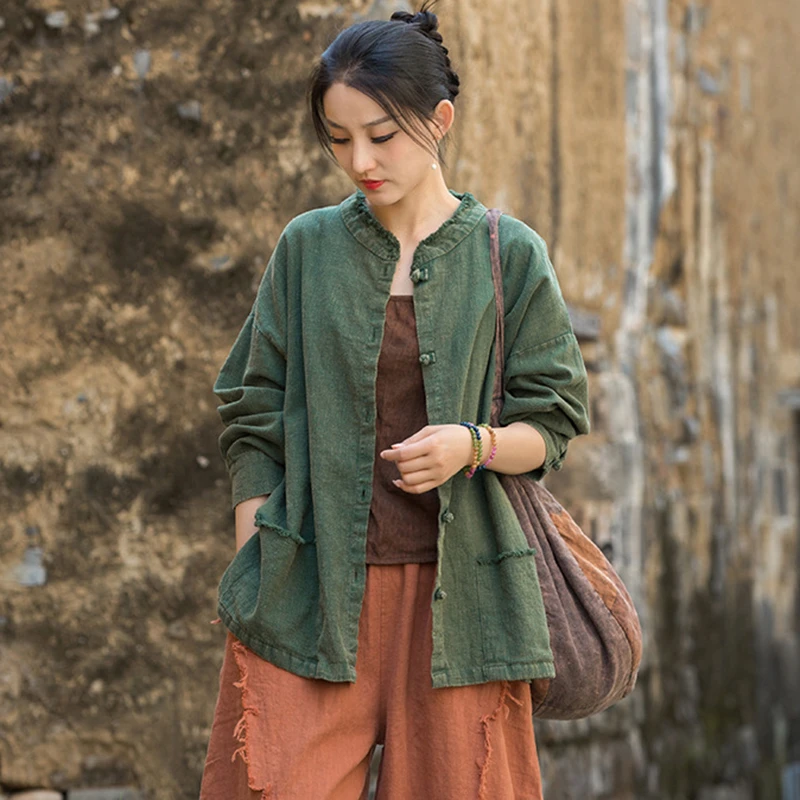
While wrinkles are often framed as a drawback, they have become an essential part of linen’s visual identity. In contemporary fashion, linen’s creased surface is increasingly viewed as an asset rather than a limitation.
The Beauty of the Lived-In Linen Look
Linen wrinkles create a lived-in appearance that feels relaxed, natural, and unforced. Unlike stiff, wrinkle-free fabrics that prioritize uniformity, linen reveals texture, movement, and individuality through its folds. This is why many people are drawn to:
- The distinctive linen wrinkled look
- Natural texture linen garments with visible depth
- Soft folds that move organically with the body
In this context, wrinkles become part of the garment’s design language rather than a visual distraction.
Why Designers Embrace Wrinkled Linen?
In modern fashion, linen is often styled with wrinkles intentionally left visible. Designers use linen to express:
- Effortless elegance rather than rigid polish
- Slow fashion values rooted in longevity and authenticity
- Comfort-first dressing that prioritizes wearability
This relaxed linen style is especially prominent in summer collections, resort wear, and minimalist wardrobes, where ease and breathability matter as much as appearance.
Wrinkles as a Symbol of Comfort and Confidence
Choosing linen often reflects a preference for comfort over perfection. Intentional wrinkles in linen suggest confidence, authenticity, and an appreciation for natural materials as they are.
Wrinkled linen does not attempt to appear flawless. Instead, it communicates ease, honesty, and a refined sense of style that feels modern precisely because it is unforced.
How to Style Wrinkled Linen So It Looks Chic, Not Messy?
Styling linen successfully is less about eliminating wrinkles and more about working with the fabric’s natural behavior. When silhouettes, colors, and care methods align with linen’s characteristics, wrinkles enhance the overall look rather than detract from it.
Choose the Right Linen Silhouettes
Not all garment shapes respond to wrinkles in the same way. Certain silhouettes are particularly well-suited to linen’s natural creasing, allowing folds to fall softly instead of bunching in unflattering areas. Styles that work especially well include:
- Loose-fit linen dresses that drape freely over the body
- Wide-leg linen pants that create vertical flow and balance
- Oversized linen shirts with relaxed structure
- Easy, unstructured jumpsuits designed for movement
These silhouettes give wrinkles room to distribute evenly, reinforcing linen’s relaxed aesthetic rather than highlighting tension points.
Colors and Textures That Hide Wrinkles Naturally
Color choice plays a significant role in how visible wrinkles appear. Neutral and earthy tones tend to absorb visual contrast, allowing creases to blend seamlessly into the fabric’s texture. Commonly flattering options include:
- White and soft ivory
- Beige, sand, and warm taupe
- Olive and muted greens
- Soft gray and stone tones
In addition, washed, stone-washed, or enzyme-washed linen naturally displays a softer surface texture. These finishes help wrinkles appear more diffused while preserving linen’s tactile character.
Can You Reduce Linen Wrinkles Without Ruining the Look?
While linen will always wrinkle to some degree, thoughtful care choices can minimize excessive creasing without stripping the fabric of its natural appeal.
Smart Care Tips for Linen
Wrinkle management begins at the care stage. Simple adjustments can make a noticeable difference in how linen behaves during wear:
- Wash linen gently in cool or lukewarm water
- Avoid overloading the washing machine, which increases compression
- Air dry and lightly smooth the fabric by hand while still damp
- Use steam instead of heavy ironing whenever possible
Steaming relaxes linen fibers without flattening their texture, preserving the fabric’s natural movement and depth.
Linen Blends and Pre-Washed Options
For those seeking a slightly smoother finish, certain fabric variations offer added wrinkle control:
- Linen-cotton blends introduce more elasticity while maintaining breathability
- Linen-polyester blends significantly improve wrinkle resistance
- Pre-washed linen fabric develops softer, less defined creases
Each option represents a different balance between appearance, comfort, and performance, allowing flexibility based on personal preference.
Should You Iron Linen or Let It Wrinkle?
Whether to iron linen is largely a matter of styling intention. Some garments benefit from a crisp finish, particularly tailored or structured pieces. Others gain character when wrinkles are left visible. Many linen wearers settle on a balanced approach:
- Light steaming to release deep creases
- Allowing natural wrinkles to form throughout the day
Linen was never designed to appear rigid or perfectly smooth. Its appeal lies in movement, texture, and an ease that becomes more expressive as the fabric is worn.
FAQs About Why Linen Wrinkles Easily
These frequently asked questions address common concerns about linen’s wrinkling behavior. Understanding the reasons behind these questions helps set realistic expectations and clarifies why wrinkles are an inherent part of linen fabric rather than a flaw.
Why does linen wrinkle so easily?
Linen wrinkles easily because its fibers have low elasticity and a rigid cellulose-based structure. When the fabric is bent or compressed, the fibers do not naturally spring back into place. Instead, they retain the shape of the crease until released through moisture, steam, or heat. This structural rigidity is a defining feature of flax fibers and is present in all types of linen.
Is linen supposed to wrinkle?
Yes. Wrinkling is a natural and expected characteristic of linen fabric. Linen is not engineered for wrinkle resistance; it is valued for breathability, moisture absorption, and durability. These performance benefits inherently come with visible creasing, especially during wear.
Can linen ever be wrinkle-free?
No linen fabric is completely wrinkle-free. Even so-called wrinkle-resistant linen blends will still crease to some extent. Blending linen with other fibers can soften wrinkles or improve recovery, but it cannot eliminate wrinkling entirely without altering the fabric’s natural behavior.
Does thicker linen wrinkle less?
Heavier or thicker linen does not necessarily wrinkle less—it simply wrinkles differently. Thicker linen may form broader, softer creases, while lightweight linen tends to show sharper folds. In both cases, wrinkling remains an inherent characteristic of the fabric.
Is wrinkled linen bad quality?
No. Wrinkles are not an indicator of poor quality. High-quality linen wrinkles just as readily as lower-grade linen because wrinkling is determined by fiber structure, not craftsmanship alone. Quality should instead be evaluated by weave consistency, fabric weight, durability, and how the linen improves with wear and washing.
Conclusion
Linaé no longer worries when her linen dress wrinkles. To her, each crease reflects movement, comfort, and life itself. She understands now why linen wrinkles easily—and why that’s exactly what makes it special.
Linen wrinkles because it breathes, because it bends, because it’s real. In a world obsessed with perfection, linen offers something refreshing: authenticity. And when styled with intention, those wrinkles become part of an effortless, timeless beauty. So the next time you notice your linen creasing, remember—it’s not a flaw. It’s linen being linen.